



The Anatomy of a Perfect Freezer Label
A truly useful freezer label goes beyond just a name. To avoid confusion and ensure you're eating food at its best, every label needs three key pieces of information: the name of the dish, the date it was frozen, and ideally, a 'use-by' date. Think of it as a message
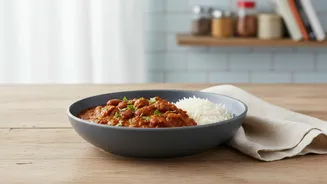
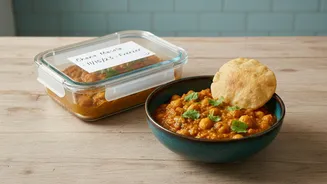
to your future self. For example, instead of just "Chicken," a better label would be "Butter Chicken, 4 portions, Frozen 24/07/26, Use by 24/10/26." This level of detail removes all guesswork when you're looking for a quick weeknight meal. Some also find it helpful to add brief reheating instructions, like "Thaw and heat in pan," so anyone in the family can prepare it.
Be Specific With The Dish Name
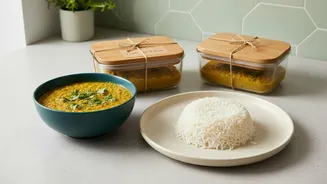
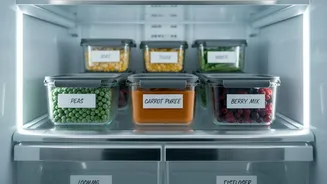
Vague labels are a primary cause of freezer chaos. "Curry" isn't helpful when you have three different types frozen. Be as specific as possible. Is it "Rajma Masala" or "Palak Paneer"? Is it "Spicy Chicken Keema" or "Mild Chicken Korma"? This specificity helps you know exactly what you're pulling out, preventing flavour surprises. If you've made a component for a future meal, label it as such. For example, write "Ginger-Garlic Paste" or "Basic Onion Masala for Curries." This clarity is crucial for meal planning and makes assembling a dish later much faster and more efficient.
Mastering the Date
The date is arguably the most critical part of the label. Always use the date the food was frozen. This allows you to follow the 'First-In, First-Out' (FIFO) principle, a method used in professional kitchens to reduce waste. When you store new items, place them at the back of the freezer and move older items to the front. This rotation ensures you're always using the oldest food first, while it's still at its peak quality. While frozen food is safe indefinitely from a food safety perspective, its quality—taste and texture—degrades over time. A clear date helps you decide what to eat next to enjoy it at its best.
Choosing the Right Tools for the Job
The harsh, cold, and sometimes moist environment of a freezer is tough on labels and pens. Regular paper labels often peel off, and standard ink can smudge or fade. For best results, use labels specifically designed for freezer use; they have an adhesive that remains effective at low temperatures. Masking tape is a popular and effective low-cost option. When it comes to writing, a permanent marker is essential. Some people prefer to write on the label or tape before applying it to the container, especially if the container is already cold or has condensation. This ensures the ink adheres properly and the label sticks firmly.
A System for Success
The best labeling system is one you will actually use. To make it a habit, keep your labels and markers in a convenient spot right next to the freezer. Label everything as you put it away; don't tell yourself you'll do it later. For an even more organised approach, consider creating zones in your freezer: one for dals and curries, another for parathas and breads, and a third for raw ingredients. Some people even maintain a simple inventory list on the freezer door or a nearby whiteboard, noting down what goes in and what comes out. This provides a quick overview without even needing to open the door, making meal planning a breeze and preventing you from buying items you already have.