



It’s a frustratingly common scenario for air travelers: a delay is announced, you’re allowed off the plane to wait at the gate, but when it’s time to go, you’re denied reboarding. We’ll explain why this isn't an arbitrary decision.
The Concept of the 'Sterile Area'
The moment you pass
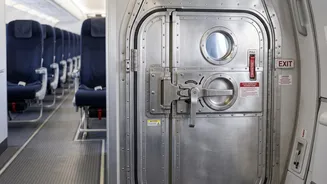
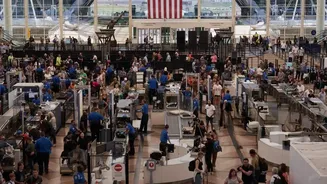
through airport security, you enter what is known as a 'sterile area'. This is a controlled zone where every individual has been screened for prohibited items. This sterile environment extends from the security checkpoint to the shops, the gate, and, crucially, onto the aircraft itself. Once the boarding door closes, the plane is considered a sealed, secure bubble. The integrity of this bubble is paramount to aviation security, a system of layered protections designed after major security events to prevent unauthorized items or individuals from posing a threat. Maintaining this sterile status is a fundamental principle of global aviation security.
Breaking the Security Seal
When a passenger steps off the aircraft, even for just a moment to stretch their legs in the jet bridge, they have officially left the sterile bubble of the plane. From a security perspective, their status is instantly reset. Authorities can no longer guarantee what that person has come into contact with. Did another person in the non-sterile public area hand them something? Did they access an unchecked bag? Because security personnel cannot possibly monitor every person who deplanes with 100% certainty, the 'chain of custody' for that passenger's security clearance is considered broken. This isn't about trust; it's about adhering to rigid protocols that eliminate variables and potential risks.
The Risk of Contamination
The core issue is the risk of 'contamination'. If a passenger leaves the sterile aircraft environment and then reboards, security agencies have to assume the worst-case scenario: that the passenger could now be carrying a prohibited item. This forces an impossible choice: either let a potentially compromised individual back on board or assume the entire aircraft is now compromised. In nearly all cases, authorities will choose the path of maximum security. Allowing even one person to re-enter without being rescreened could, in theory, negate the security screenings of everyone else on board. It’s a strict, zero-tolerance policy because the consequences of a security failure are too high.
Why Everyone Might Have to Get Off
This leads to an even more disruptive situation that many travelers have experienced. If a breach of the sterile area is detected or even suspected—for example, if an unauthorized person enters the jet bridge or if a deplaned passenger wanders off—the security protocol often requires a full reset. This means every single passenger must deplane, taking all their belongings with them. The aircraft must then be completely re-searched by security teams. Following the aircraft search, all passengers must go through the security screening process all over again before being allowed to reboard. It’s a massive inconvenience, but it is the only way for authorities to re_establish the sterile integrity of the flight.
The Airline and Pilot's Authority
While government regulations form the basis of these rules, airlines and flight crews also have the final say. The pilot in command is the ultimate authority for the safety and security of the aircraft and everyone on it. They, along with the flight attendants and gate agents, are tasked with enforcing these security directives without exception. Faced with a choice between causing a delay for a single passenger and upholding a critical security rule, they will always choose security. The policies are not flexible because they are not designed to be. They are a rigid defense system, and allowing someone to reboard after leaving is considered a breach of that defense.