



Look Beyond the Leaf to the Vendor
The single most important factor in your speciality tea journey might not be the tea itself, but who you buy it from. A reputable vendor acts as a curator and an educator. Look for sellers who provide transparent information about their sourcing. Details
like the specific region, estate, and harvest date are signs of a vendor who has a direct and knowledgeable relationship with their producers. These specialists often build their reputation over years, establishing trust with both farmers and customers. They can tell you the story behind the tea, from the farm's elevation to the specific 'flush' or harvest period. A great vendor’s website or shop will be filled with educational content, helping you understand why one oolong is different from another. This transparency is a strong indicator of quality and care that goes far beyond a simple country of origin.
The Critical Importance of Freshness
Tea is an agricultural product, and like most produce, it is best when fresh. This is especially true for more delicate teas like green and white teas. The harvest date is one of the most critical pieces of information you can have. Many speciality teas are harvested in seasons or 'flushes'. For example, the first flush of a Darjeeling tea, picked in early spring, will have a vastly different flavour profile—often lighter and more floral—than the second flush picked in summer, which is typically more robust. In China, the earliest spring teas, known as 'Ming Qian' or 'Pre-Qing Ming', are highly prized for their delicate, sweet flavours derived from slow growth after winter dormancy. A tea that is a year or two past its harvest date, especially a green tea, will have lost most of its vibrant aroma and complex flavour, leaving behind a flat or bitter taste. Always look for the harvest year and, if possible, the season.
Understanding Processing and Leaf Quality
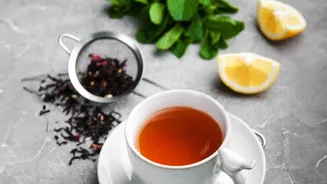
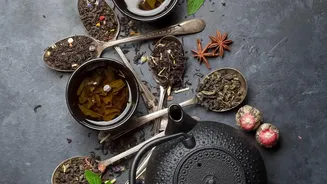
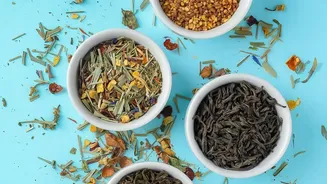
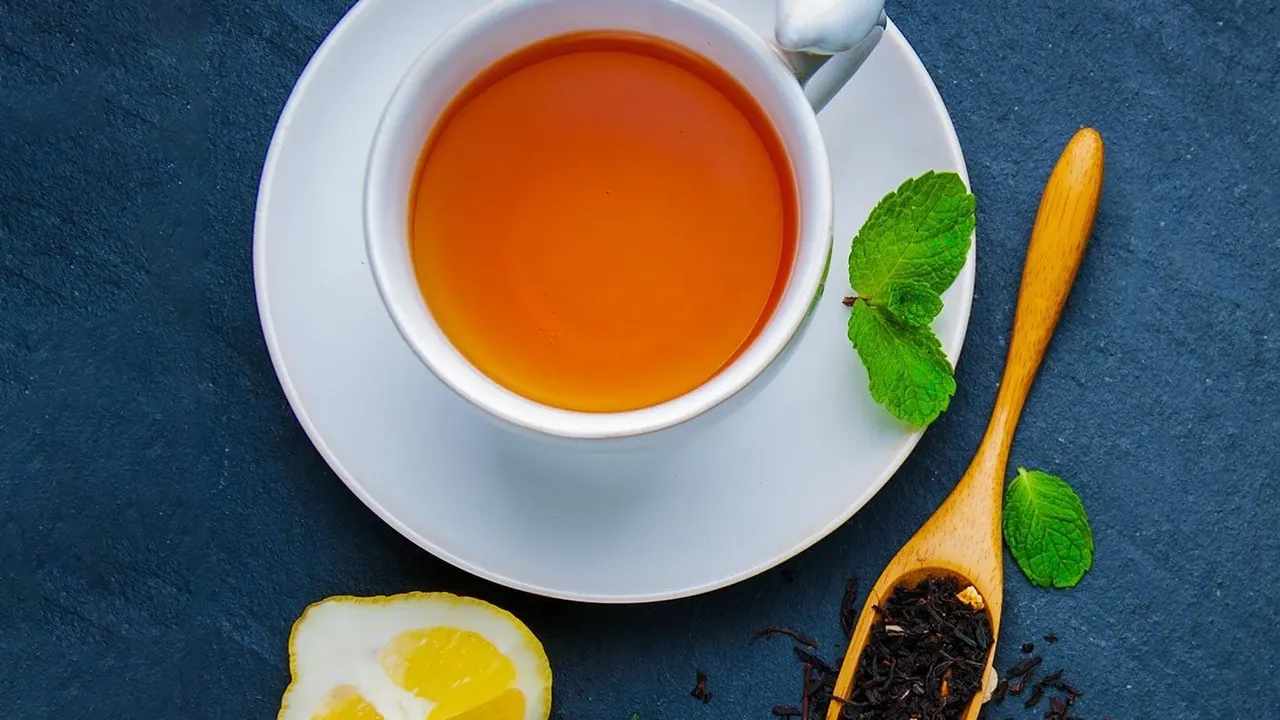
The same plant, Camellia sinensis, can become white, green, oolong, or black tea depending on how it's processed. Understanding the basics can transform your shopping. For example, the level of oxidation—the process that turns leaves brown and develops deep flavours—is what separates a light green tea from a dark black tea. When buying, look at the physical leaves. High-quality tea is generally made from whole, unbroken leaves. If you see a lot of dust and broken bits, known as fannings, it’s a sign of lower quality or older stock. The leaves should look vibrant and have a fresh, distinct aroma. If a tea smells musty or like nothing at all, it's likely stale. For herbal infusions, the same rules apply: look for vibrant colours and strong fragrances, not faded, scentless potpourri.
Storage: Protecting Your Investment
How a vendor stores their tea, and how you store it at home, directly impacts its lifespan. Tea is sensitive to its environment and can be easily damaged by air, light, moisture, and strong odours. Reputable sellers will store their tea in airtight, opaque containers away from light and heat. When you purchase tea, especially online, pay attention to the packaging it arrives in. Good packaging is a sign that the vendor cares about preserving the tea's quality until it reaches your cup. At home, transfer your leaves to an airtight container and keep them in a cool, dark cupboard. Never store tea in the refrigerator or freezer, as condensation can ruin the leaves. Properly stored tea will retain its intended flavour and aroma for much longer, ensuring your investment doesn't go to waste.
Matching the Tea to Your Lifestyle
Finally, the best speciality tea is one that you will actually drink and enjoy. Consider your own preferences and brewing habits. Are you sensitive to caffeine? You might prefer white teas or herbals for evening sipping. Do you have the equipment for a complex brewing ritual, or do you need something that is more forgiving? Some teas require precise water temperatures and steeping times to unlock their best flavours, while others are more flexible. If you're just starting, it can be helpful to purchase smaller quantities of different teas to explore what you like without committing to a large bag. Many vendors offer sample sizes, which are a cost-effective way to develop your palate. Ultimately, the goal is to find teas that bring you joy, whether that's a rare single-origin oolong or a comforting breakfast blend.