





Tulsi (Holy Basil): The Sacred Healer
No Indian home garden is truly complete without a Tulsi plant. Revered for its spiritual significance, Tulsi is also an incredibly resilient and useful herb. It is known for its medicinal properties, often used in home remedies for coughs and colds, and its leaves
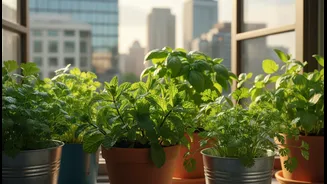
can be brewed into a calming tea. Beyond its health benefits, Tulsi acts as a natural air purifier and is known to repel insects like mosquitoes. For beginners, it's a forgiving choice. It thrives in the Indian climate, asking only for a spot with four to six hours of sunlight and moderate watering. Plant it in well-draining soil, and be careful not to overwater, which is a common mistake. A pot on a sunny balcony or near a window is a perfect home for this sacred plant. With minimal care, you’ll have a constant supply of fresh leaves and a touch of tradition in your home.
Mint (Pudina): The Prolific Refresher
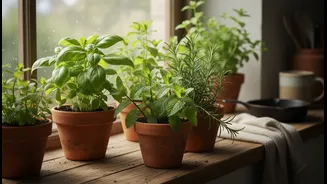
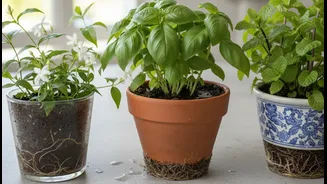
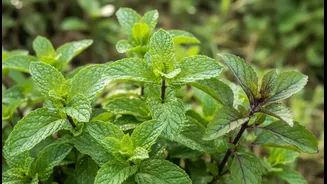
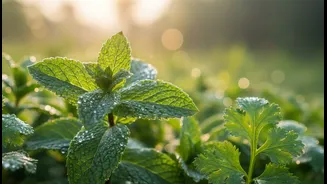
If you want a plant that offers instant gratification, look no further than Mint, or Pudina. This herb grows vigorously and is one of the easiest to propagate; you can even start a new plant from the thick stems of a bunch bought at the market. Homegrown mint is intensely fragrant and flavourful, perfect for whipping up a fresh chutney, adding to raita, or garnishing a cool summer drink. Mint is not particularly fussy. It enjoys moist soil and can thrive in a spot that gets morning sun and some afternoon shade, which protects it from the harsh summer heat. The key to a happy mint plant is to give it a wide pot, as it loves to spread. Regular harvesting actually encourages the plant to grow bushier, so the more you use, the more you’ll have. Its fast growth and culinary versatility make it an incredibly rewarding plant for any novice gardener.
Aloe Vera: The First-Aid Succulent
Aloe Vera is the ultimate low-maintenance plant with high-value returns. Known in Ayurveda as Kumari, its thick, fleshy leaves contain a soothing gel that is a time-tested remedy for minor burns, skin irritation, and acne. It’s like having a living first-aid kit right on your windowsill. As a succulent, Aloe Vera is extremely drought-tolerant, making it perfect for busy people or those who tend to forget to water their plants. The most common mistake is overwatering; it prefers its soil to dry out completely between waterings. Place it in a pot with good drainage in a spot that receives plenty of bright, indirect sunlight, like a south- or west-facing balcony. This hardy plant thrives in Indian climates, from humid coastal regions to dry inland areas, asking for very little but giving so much in return.