


A Lifeline From The Stars
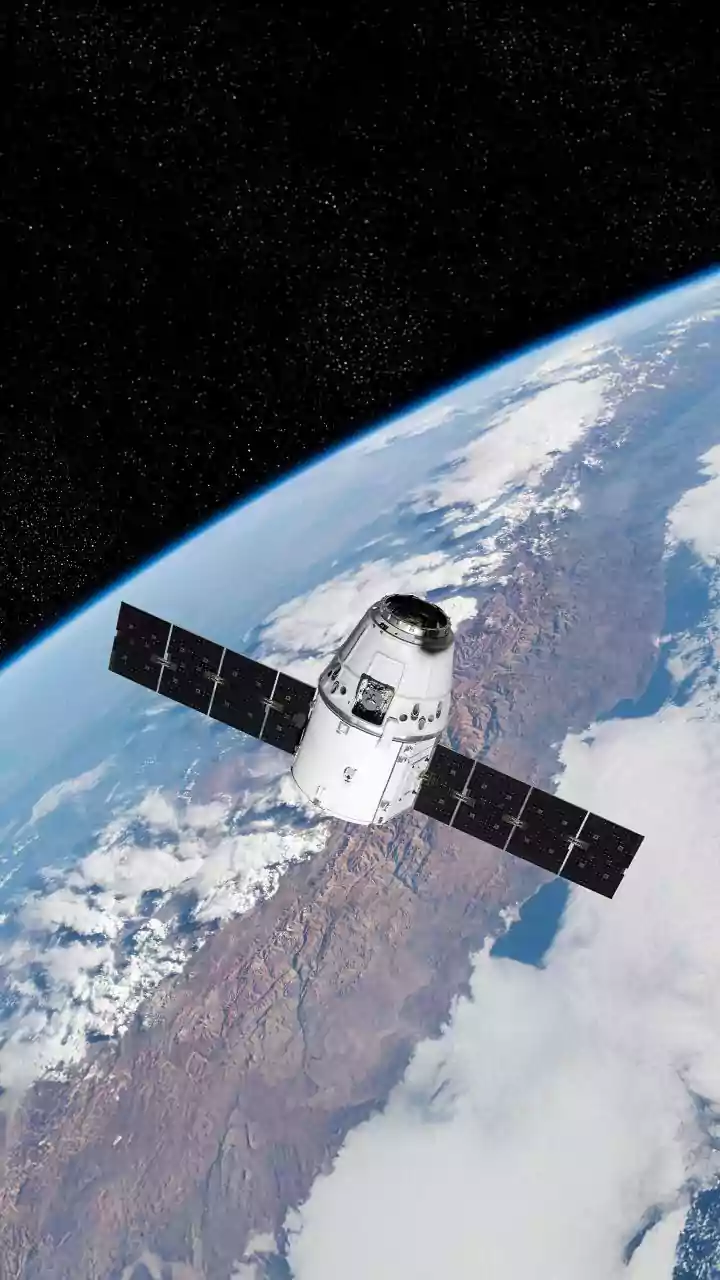
Since the early days of Russia's full-scale invasion in 2022, SpaceX's Starlink has been the backbone of Ukraine's military communications. When ground-based internet and cellular networks were destroyed or jammed, thousands of portable Starlink terminals
provided a vital link for soldiers, drone operators, and government officials. This low-Earth orbit satellite network became essential for everything from coordinating defenses and sharing battlefield intelligence to guiding drones to their targets, allowing Ukraine to maintain a resilient and modern command-and-control structure against persistent Russian attacks. Its importance was so profound that military commanders acknowledged they might have been losing the war without it.
The Power of a Private Company
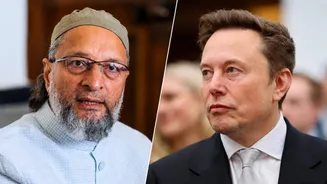
The service is not a public utility but a product of a private American company, SpaceX, led by Elon Musk. While the Pentagon has a contract with SpaceX to provide a military-grade version called Starshield to Ukraine, ultimate control remains outside Kyiv's hands. This arrangement has created a complicated dynamic where decisions made by a corporate entity or, as recent events suggest, the U.S. government, can have immediate and severe consequences on the battlefield. The distinction between the commercial Starlink service and the government-controlled Starshield has become a central point of contention, with Musk stating that Starshield is controlled by the U.S. government while the commercial service cannot be used for offensive military actions.
The Speed Cap and Its Consequences
In mid-October 2026, Ukrainian forces were caught by surprise when a speed restriction was imposed on Starlink and Starshield terminals. The service was capped for any terminal moving faster than 160 kilometers per hour (about 100 mph), a speed easily surpassed by many of Ukraine's drones. The immediate impact was significant: missions were cancelled, and the ability to use fast-moving interceptor drones to shoot down Russian attack drones was severely hampered. Ukrainian President Volodymyr Zelenskyy confirmed the restrictions were affecting military operations, stating that interceptor drones were unable to function properly. Tests conducted in the EU confirmed that these speed limits were specific to Ukraine, suggesting a deliberate and planned action.
A Geopolitical Flashpoint
The reason for the restriction has become a geopolitical flashpoint. Ukrainian officials believe the move is linked to political tensions with Washington, while Elon Musk and some U.S. officials have pointed fingers at each other. President Zelenskyy has stated that the signal to limit the speed came from the U.S. government, and SpaceX technically implemented it. Musk, however, maintains that the military-grade Starshield is under U.S. government control, and any limits are their decision. This 'he said, she said' has exposed a critical vulnerability for Ukraine and sparked a broader debate about the outsized role a private company and its CEO can play in an international conflict.
The Search for Alternatives
The incident has served as a stark warning to both Ukraine and its European allies about the dangers of over-reliance on a single, foreign-controlled technology. President Zelenskyy has announced that European nations are now actively working to develop their own alternative satellite internet system, having seen how easily the service can be regulated from the United States. While alternatives like Eutelsat's OneWeb exist, they currently lack the scale and terminal portability to replace Starlink overnight. The EU's own project, IRIS², is not expected to be fully operational until 2029. For the foreseeable future, Ukraine remains dependent on a service that has proven to be both an indispensable asset and a potential liability, forcing a difficult re-evaluation of how modern wars are fought and supplied.