



Why Humidity is the Hidden Danger
We all know pets can overheat, but we often think of this as an outdoor problem on a hot, sunny day. Indoors, the threat can be more subtle, especially in a humid climate. Unlike humans who sweat through their skin to cool down, dogs and cats primarily
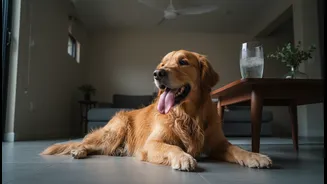
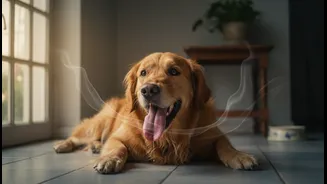
rely on panting. Panting works through evaporation—moisture evaporates from their tongue and respiratory tract, taking heat with it. However, when the air is already saturated with moisture (high humidity), this evaporation process becomes slow and inefficient. Your pet may be panting heavily but failing to actually cool down, putting them at significant risk for heat exhaustion and heatstroke even within the four walls of your home.
Beyond Panting: Subtle Signs to Watch For
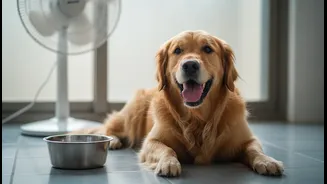
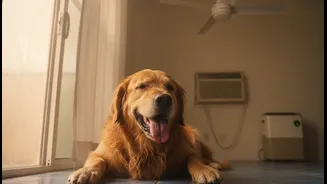
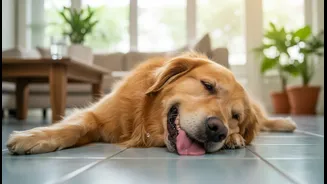
Heavy panting is the most obvious sign of overheating, but a smarter approach means catching the problem earlier. Look for these less apparent clues that your pet is struggling. Restlessness or agitation, where your pet can't seem to settle down, is an early sign. Notice their drool; if it's thicker, stickier, or more excessive than usual, it signals distress. Check their gums—bright red gums can indicate they are working hard to cool down. Conversely, pale gums are a sign of advancing heatstroke. Other subtle indicators include weakness, lethargy, a reluctance to move, seeking out cool surfaces like tile floors, and a general disinterest in their surroundings. For cats, any open-mouthed breathing is a serious red flag.
Know the High-Risk Factors
While any pet can overheat, some are far more vulnerable. Brachycephalic (flat-faced) breeds like Pugs, Bulldogs, Boxers, and Persian cats are at the top of the list. Their compact airways make effective panting difficult even in ideal conditions, and high humidity makes it nearly impossible for them to cope. Senior pets, very young puppies and kittens, and overweight animals also struggle to regulate their body temperature efficiently. Additionally, pets with thick or dark coats, such as Huskies or Newfoundlands, and those with underlying heart or respiratory conditions face an elevated risk.
How to Create a Cool Haven at Home
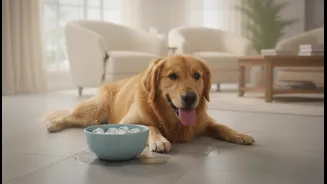
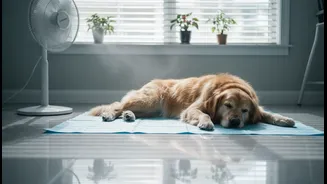
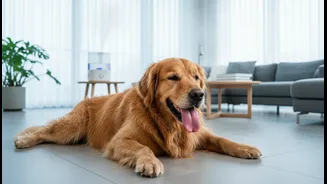
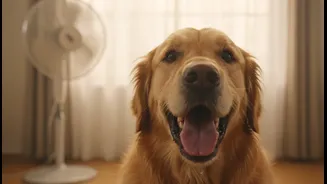
Proactive management of your home's environment is the best defence. If possible, use an air conditioner or a dehumidifier to keep indoor humidity levels comfortable, ideally between 40% and 60%. Ensure good ventilation by using fans to keep the air circulating. Always provide multiple sources of fresh, cool water around the house to encourage hydration. Cooling mats, which contain a special gel that absorbs body heat, can provide immense relief and are a great alternative to hard floors for older pets. You can also use damp towels for your pet to lie on. Avoid strenuous indoor play during the hottest, most humid parts of the day and adjust walk times to early morning or late evening.
First Aid for Suspected Heatstroke
If you suspect your pet is suffering from heatstroke, you must act immediately while preparing to go to the vet. First, move your pet to a cooler, well-ventilated area immediately. Begin to cool them down by pouring cool—never ice-cold—water over their body, focusing on their paws, belly, and neck. Using ice-cold water can cause their blood vessels to constrict, which traps heat inside the body and can lead to shock. You can also place cool, wet towels on them and point a fan in their direction to aid evaporative cooling. If they are conscious, offer small sips of cool water but do not force them to drink. Even if your pet seems to recover, it is critical to get them to a veterinarian immediately. Heatstroke can cause internal organ damage that may not be immediately apparent.