


Understanding the 'New' Focus
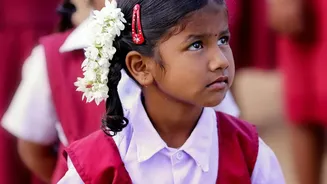
The headline event is the launch of the 9th Rashtriya Poshan Maah (National Nutrition Month) on September 9 in Varanasi, a month-long campaign under the government's flagship Saksham Anganwadi and Poshan 2.0 mission. This isn't just another health drive;
it represents a strategic shift from simply fighting malnutrition to promoting holistic wellness. The theme for 2026, "Hamari Anganwadi, Hamari Jimmedari" (Our Anganwadi, Our Responsibility), aims to make community centres hubs for health and early childhood development, with every citizen playing a part. The goal is to move beyond basic calorie intake and focus on nutrient-rich, diverse diets that support overall health and immunity.
From Food Security to Nutrition Security
For years, the conversation around food in India was about availability. Now, the focus is on quality. Poshan 2.0 aims to tackle 'hidden hunger,' a condition where a person consumes enough calories but lacks essential micronutrients. This is a widespread issue in India, with significant portions of the population deficient in iron, Vitamin D, and Vitamin B12. The new government approach emphasizes diet diversity and food fortification to bridge these gaps. For families, this translates to a simple message: it's not just about filling stomachs, but about nourishing bodies with a wide variety of foods.
Key Focus Area: Protein and Diet Diversity
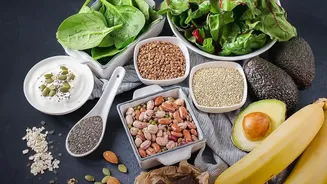
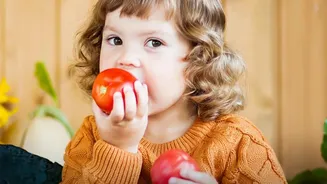
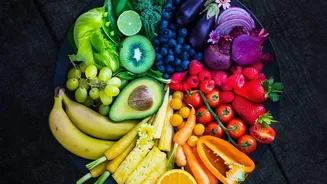
A major pillar of this year's Poshan Maah is promoting dietary diversity with a special emphasis on adequate protein intake. Many Indian diets are cereal-heavy, leading to deficiencies. The campaign encourages families to consciously include a mix of food groups in their daily meals: cereals and millets, pulses, fruits and vegetables, nuts, and milk products or other animal sources like eggs. The goal is to ensure meals are balanced and provide the necessary building blocks for growth, especially in children. Simple additions like a handful of nuts, a bowl of dal, or seasonal vegetables can make a significant difference.
The Return of Millets or 'Shree Anna'
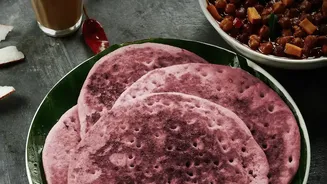
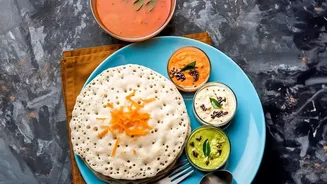
The government is aggressively promoting millets, often called 'Shree Anna' or the 'mother of all grains'. These ancient grains like jowar, bajra, and ragi are making a comeback for good reason. They are highly nutritious, packed with protein, fibre, and minerals, and are naturally gluten-free. Millets are also climate-resilient, requiring less water to grow, making them a sustainable choice for farmers. For families, incorporating millets is easier than it sounds. They can be used to make rotis, dosas, porridges, or even as a substitute for rice. This aligns perfectly with the push for dietary diversity and tapping into traditional food wisdom.
Practical Tips for Your Kitchen
Applying this national focus at home doesn't require a complete overhaul of your lifestyle. Start with small, manageable changes:
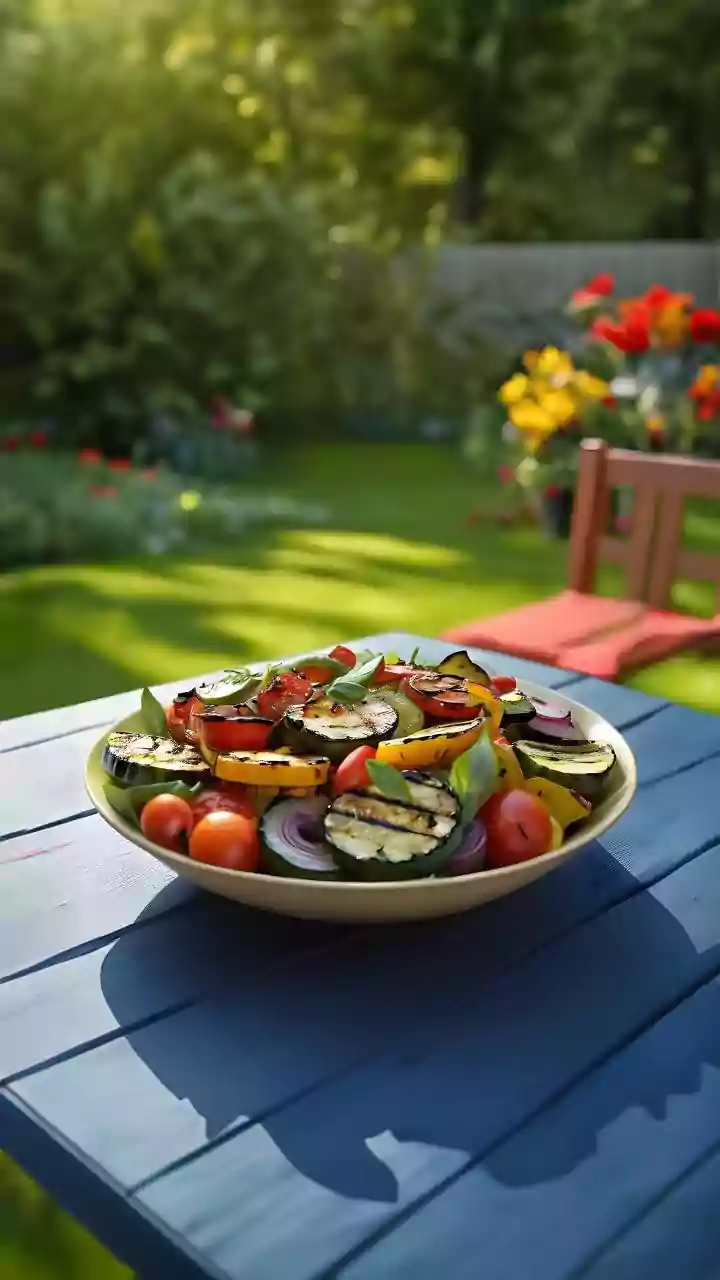
Plan Your Plate: Aim for a plate that is 50% fruits and vegetables, 25% protein (dal, legumes, curd, eggs), and 25% carbohydrates (roti, rice, millets).
Incorporate Millets: Try substituting one of your regular grain meals with a millet-based dish a few times a week.
Focus on Iron: Combat widespread anaemia by including iron-rich foods like leafy greens, lentils, and sesame seeds in your diet.
Get Your Vitamins: For vegetarians, ensuring adequate Vitamin B12 is crucial; fortified foods and dairy products can help. Regular, safe sun exposure is the best source of Vitamin D for everyone.
Read Labels: When buying packaged foods, check for fortification (e.g., iodized salt, fortified oil) and be mindful of high sugar and sodium content.