







The Humble Bottle Gourd (Lauki)
Often overlooked, lauki is a true monsoon champion. Composed of over 90% water, it's incredibly hydrating and exceptionally easy on the digestive system, which tends to be sluggish during this season. Rich in fibre, it helps prevent constipation and keeps
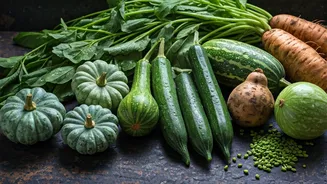
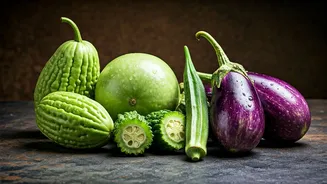
you feeling light. Furthermore, lauki is low in calories and packed with essential minerals like sodium, potassium, and iron, making it ideal for maintaining electrolyte balance. Its cooling nature also helps pacify the body. It’s incredibly versatile; you can make a simple sabzi, add it to dals, or even juice it with a hint of ginger and mint for a detoxifying morning drink.
The Powerful Pointed Gourd (Parwal)
Parwal, or pointed gourd, is another vegetable that shines during the rainy season. According to Ayurvedic principles, it's one of the most easily digestible gourds, making it a safe and nutritious choice when the risk of indigestion is high. It’s a good source of vitamins A and C, which are crucial for bolstering the immune system and fighting off common monsoon infections like coughs and colds. Its blood-purifying properties are an added bonus. Whether you stuff it with masalas for a delicious bharwa parwal or simply stir-fry it with potatoes, this vegetable is a must-have in your monsoon kitchen.
The Beneficial Bitter Gourd (Karela)
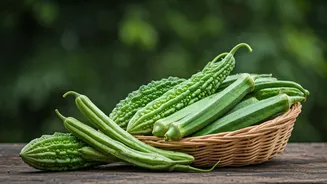
Don't let the bitterness scare you away! Karela is a powerhouse of health benefits, especially during the monsoon. It is loaded with antiviral and antibacterial properties that help fortify your body's defences against seasonal illnesses. Bitter gourd is also celebrated for its ability to regulate blood sugar levels and is packed with antioxidants and vitamins A and C. To reduce its bitterness, you can scrape the skin, remove the seeds, and marinate the pieces in salt water for about 30 minutes before cooking. A crisp, fried karela or a tangy stir-fry can convert even the staunchest of sceptics.
The Reliable Ridge Gourd (Turai)
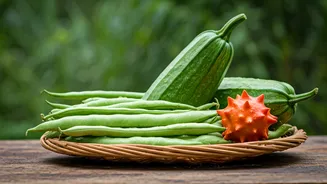
Turai, also known as tori, is a fantastic addition to your monsoon diet. Like its gourd cousins, it is high in water content and fibre, promoting good digestion and preventing water retention. It is an excellent source of Vitamin C and zinc, both of which are essential for a robust immune system. Its natural cooling properties help combat the humidity. What makes turai special is its ability to act as a gentle cleanser for the system. It's best enjoyed in simple preparations like a light curry or stir-fried with moong dal, allowing its subtle, sweet flavour to come through.
The Underrated Indian Squash (Tinda)
Tinda, or apple gourd, is a small, round green vegetable that is particularly abundant during the monsoons. It's light, easy to digest, and has a high water content, making it perfect for keeping the body hydrated and cool. Tinda is low in calories but rich in antioxidants, which help fight off free radicals and reduce inflammation. Its mild flavour makes it a versatile ingredient that absorbs the taste of spices beautifully. It can be cooked into a simple sabzi with tomatoes and onions or stuffed for a more elaborate dish. It's a comforting vegetable that provides nourishment without taxing your digestive system.
A Note on Leafy Greens
While leafy greens like spinach and fenugreek are nutritious, the monsoon is a time to be extra cautious. The high humidity and moisture make them prone to contamination with dirt, mud, and germs. If you do choose to eat them, ensure they are sourced from a reliable place. Wash them thoroughly in clean water, perhaps with a bit of salt or vinegar, and make sure to cook them completely. Avoid eating raw leafy greens in salads during this season to minimize the risk of stomach infections.