





Why a Monsoon Drive to Agumbe?
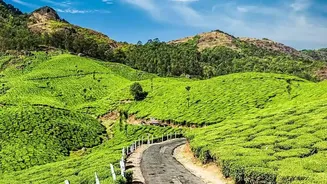
Often called the 'Cherrapunji of the South', Agumbe in Karnataka receives some of the heaviest rainfall in the country. This transforms the entire Malnad region into a breathtaking canvas of vibrant greens, mist-laden hills, and roaring waterfalls. A road
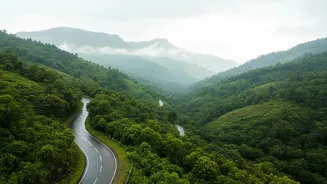
trip from Bangalore, roughly 350-380 km, becomes less about the destination and more about the journey through this lush paradise. The drive takes you through winding roads that cut through dense rainforests, offering the thrill of navigating the ghats while surrounded by nature at its most raw and powerful. It’s an experience that awakens the senses—the sound of the rain, the sight of clouds drifting across the road, and the smell of wet earth.
Choosing Your Path: Routes and Roads
The journey from Bangalore typically takes 7-8 hours, but it’s wise to budget for more time during the monsoon. There are two primary routes to consider. The first, via Hassan and Belur (NH75 and NH-373), is a well-trodden path. A more scenic, though slightly longer, alternative goes via Tumkur, Shimoga, and Thirthahalli. Another popular variation involves driving through the heart of coffee country via Chikmagalur. While the highways are generally in good condition, the final stretch post-Thirthahalli becomes a narrow, winding ghat road with 14 hairpin bends. This section demands patience and careful driving, especially with reduced visibility and slippery surfaces. As of mid-2026, heavy vehicles have been restricted on the Agumbe Ghat during monsoons to prevent landslides, which can make the drive smoother for cars but underscores the need for caution.
Monsoon Driving: A Safety Checklist
Enjoying a monsoon drive is directly linked to how well you prepare. Before you leave, conduct a thorough vehicle check: test your brakes, ensure your tyres have adequate tread, and confirm your wipers and defogger are functioning perfectly. On the road, slow down. Wet tarmac increases braking distance, and sharp turns can be treacherous. Honk on blind curves to alert oncoming traffic. Maintain a safe distance from larger vehicles to avoid spray that can obliterate your vision. Given the poor visibility from fog and heavy rain, it's best to avoid driving on the ghats at night. Pack essentials like a power bank, a torch, and some snacks and water. Mobile signals can be patchy in the ghats, so having a physical map or offline navigation is a smart backup.
Embracing the Journey: Scenic Stops
The drive to Agumbe is dotted with places that tempt you to pull over. The historic temple town of Sringeri, on the banks of the roaring Tunga river, is a worthy detour. The roads leading from Shimoga to Thirthahalli are incredibly panoramic. Further along, the landscape opens up to countless streams and seasonal waterfalls that are at their peak during the monsoon. While some major waterfalls like Kudlu Theertha may have restricted access due to safety concerns during heavy rains, the sheer number of smaller cascades along the route is a spectacle in itself. For a dose of history, the 9th-century Kavaledurga Fort offers a rewarding trek with stunning views of the rain-washed landscape.
In and Around Agumbe
Once in Agumbe, the experience continues. While the famous Sunset View Point might not offer a clear sunset during the monsoon, the view of the valley disappearing into a sea of clouds is equally magical. You can explore the rich biodiversity of the region by visiting the Agumbe Rainforest Research Station (ARRS), a hub for the study of the King Cobra. For a unique cultural experience, consider staying at a traditional Malnad homestay like the famous 'Doddamane' from the TV series Malgudi Days, known for its warm hospitality. Don't miss out on trying the local cuisine, often served on a banana leaf, which provides a perfect, warm comfort against the cool, rainy weather.