




The Age-Old Wisdom of Khus
Long before air conditioners and refrigerated drinks became the norm, generations in India relied on natural methods to beat the heat. One of the most cherished of these is vetiver, known locally as khus. Vetiver is a perennial grass, but its magic lies
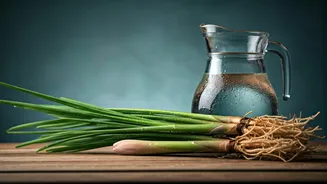
in its aromatic roots. These dense, fibrous roots have been used for centuries to create everything from fragrant screens (khus curtains) that cool the air when sprinkled with water, to flavouring syrups for sherbets. Infusing these roots in drinking water is perhaps the simplest and most direct way to harness their benefits, a practice passed down through families as a first line of defence against the sweltering summer months.
Why is Vetiver Considered 'Cooling'?
In Ayurveda, foods and herbs are classified by their inherent properties, including their effect on the body’s temperature. Vetiver is renowned for being ‘sheetal,’ or cooling, in nature. This doesn't just mean it makes the water feel cold to the touch; traditionally, it's believed to have a calming and cooling effect on the entire system. Drinking khus-infused water is thought to help pacify pitta dosha, the element associated with heat, fire, and metabolism in Ayurveda. Beyond tradition, the earthy, slightly woody aroma of vetiver itself has a psychologically soothing effect, which can make you feel more refreshed and tranquil on a hot, draining day. It’s also an excellent way to naturally quench a strong thirst.
More Than Just a Summer Drink
While its cooling properties are its main claim to fame, vetiver roots are also valued for other potential wellness benefits. They are a source of antioxidants, compounds that help protect the body's cells from damage caused by free radicals. The essential oils present in the roots, which give them their distinct aroma, are also associated with calming and stress-relieving properties in aromatherapy. Some traditional beliefs also suggest that vetiver water can aid in digestion and provide relief from inflammation. While scientific research is still exploring the full extent of these benefits, its long history of safe use in culinary traditions speaks to its role as a gentle, natural wellness enhancer.
How to Make Vetiver-Infused Water
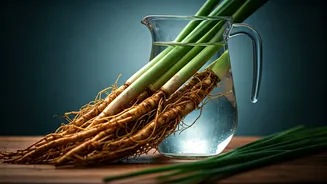
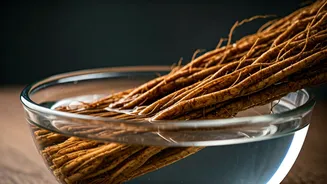
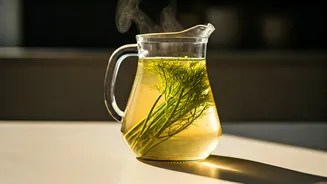
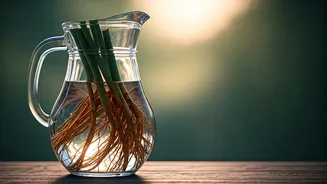
Preparing your own khus water is incredibly simple. Follow these steps: 1. **Source Your Roots:** Purchase good quality, food-grade vetiver roots from a trusted Ayurvedic store, spice shop, or online retailer. They are usually sold in small bundles. 2. **Clean Thoroughly:** This is the most crucial step. The roots are grown in soil and can be very dusty. Rinse the bundle under running water to remove any loose dirt. Then, soak the roots in a bowl of fresh water for about 20-30 minutes. After soaking, scrub them gently with your hands or a soft brush to ensure they are completely clean. Rinse them one last time. 3. **Infuse the Water:** There's no exact science, but a good starting point is to use a small handful of roots (about 10-15 strands) for a 1-litre pot. Traditionally, an earthen pot or 'matka' is used, as it naturally cools the water. However, a glass pitcher or jug works perfectly well. Simply drop the clean roots into your container and fill it with regular drinking water. 4. **Let it Steep:** Allow the roots to infuse for at least 2 to 3 hours. For a stronger flavour and more benefits, you can leave them to steep overnight in the refrigerator. The water will take on a very pale golden hue and a subtle, earthy aroma.
Storage and Tips
Once infused, you can drink the water throughout the day. It’s best to consume the prepared water within 24 hours. You can refill the container with fresh water using the same roots for up to three days. You'll notice the flavour becomes milder with each refill. After the third day, it's best to discard the old roots and use a fresh batch to prevent any bacterial growth and ensure potency. Some people like to boil the roots in water for 10 minutes, let it cool, and then strain it for a quicker, more intense infusion. Experiment to see what method you prefer.