




The Hidden Danger in Your Dabba
We've all done it — pulled a hot container of daal or sabzi from the microwave and impatiently peeled back the lid. What happens next can be a painful surprise. A cloud of superheated steam erupts, capable of causing a nasty burn in an instant. A scald,
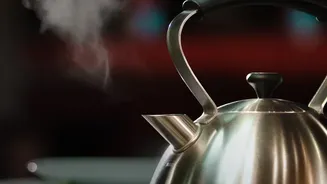
which is a burn from hot liquid or steam, can be particularly damaging. Steam carries a lot of energy, and when it hits your skin, it transfers that heat very efficiently, often causing deeper and more severe burns than you might expect. The steam is invisible, fast, and much hotter than boiling water, making it a significant risk in any kitchen.
The Science of a Steam Explosion
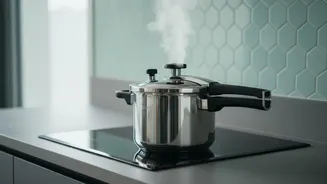
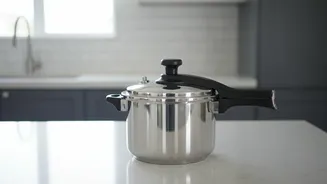
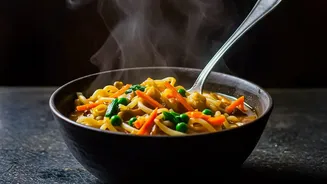
When you heat food in a sealed or tightly covered container, the water inside turns into steam. This steam needs space to expand, but if the lid is on tight, pressure builds up dramatically. It effectively turns your simple lunchbox into a small pressure cooker. The moment you break that seal, all the pent-up, high-pressure steam is released in a dangerous, explosive burst. Foods with high water content, like soups, gravies, and even vegetables, are especially prone to creating large amounts of steam. Understanding this simple science is the first step to respecting the power of steam and handling it with care.
Smart Reheating Starts Before the Heat
Preventing a steam burn begins before you even press 'start'. When preparing food for reheating, always ensure there is a way for steam to escape. If you're using a container with a lid, either leave the lid slightly ajar or choose one with a built-in steam vent. For plastic wrap, make sure it is microwave-safe and puncture it a few times with a fork to create escape routes for the steam. This simple step allows pressure to release gradually as the food heats up, rather than all at once when you open it. Also, allow food to rest for a minute or two after the reheating cycle finishes; this lets the temperature even out and some of the steam dissipate.
The Art of the Unveiling
The most critical moment is opening the container. Always use oven mitts or a towel, as the container itself will be hot. Position the container on a stable, flat surface. Instead of pulling the lid or cover directly towards you, always open it away from your face and body. Use a fork or the corner of the lid to slowly lift the edge that is farthest from you. This directs the initial, powerful plume of steam away, protecting your face, hands, and arms. Think of it as opening a protective shield—you want to be behind it, not in front of it.
Best Practices for Stovetop and Oven
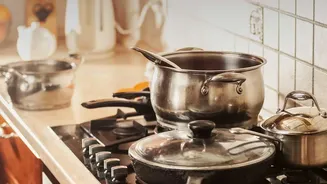
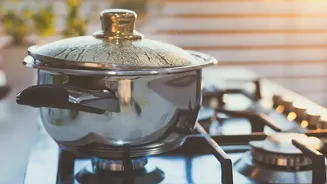
While microwaves are common culprits for steam-related accidents, the same principles apply to other reheating methods. When warming food in a pan on the stove, use a lid that fits well but isn't airtight, or leave it slightly offset. This retains moisture without building up dangerous pressure. In the oven, covering a dish with foil can help it heat evenly, but be sure to use the same caution when removing the foil, opening it away from you as you would a container lid. For any reheating method, the goal is to heat the food to a safe internal temperature of at least 165°F (74°C) to kill bacteria, while managing the steam safely.
What to Do If You Get Burned
If you do get a steam burn, acting quickly can reduce the severity of the injury. Immediately run the affected area under cool—not cold or icy—running water for at least 20 minutes. Do not use ice, butter, or other ointments, as these can trap heat and make the burn worse. After cooling the burn, you can cover it loosely with a sterile, non-stick bandage. For any burn that is large, deep, on the face or hands, or shows signs of infection, seek medical attention promptly.