





The Urban Heat Island Explained
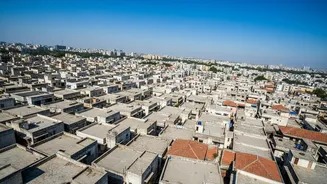
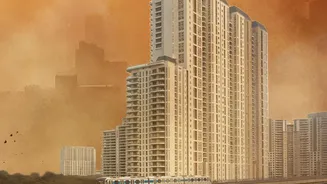
The core of the problem is a phenomenon known as the Urban Heat Island (UHI) effect. In simple terms, cities are significantly warmer than surrounding rural areas. This happens because urban landscapes are dominated by materials like concrete, asphalt,
and dark-coloured buildings, which absorb and retain the sun’s heat far more effectively than natural landscapes like forests and fields. This stored heat is then slowly released, especially at night, preventing cities from cooling down and leading to persistently higher temperatures. Studies show this can make a city several degrees warmer than its countryside counterpart.
A Monsoon Paradox: Rain Without Relief
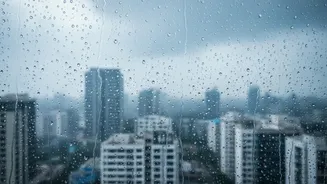
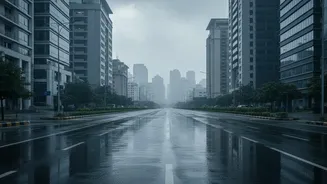
Traditionally, the monsoon cools the environment in two ways: cloud cover blocks direct sunlight, and rainfall lowers surface temperatures. However, in concrete jungles, this natural cooling process is severely hampered. While rain might offer a brief respite, the immense heat already stored in buildings and roads quickly warms the evaporated water, jacking up the humidity. This creates a 'humid heat' effect, where the 'feels-like' temperature, or heat index, is much higher than the actual air temperature. This is why a 32°C day in a humid city can feel more unbearable than a 40°C day in a dry region, as high humidity prevents sweat from evaporating, robbing the body of its primary cooling mechanism.
The Culprits: Concrete, Asphalt, and Lost Greenery
The materials we use to build our cities are a major part of the issue. Concrete and asphalt are champions at absorbing solar radiation. Throughout the day, they soak up heat, and at night they radiate it back into the urban environment, leading to warmer nights—a key characteristic of the UHI effect. This is compounded by the widespread loss of green cover. Trees, parks, and even small patches of soil provide natural air conditioning through a process called evapotranspiration, where water is released into the atmosphere, cooling the surrounding air. As cities expand, they replace these vital green lungs with impervious, heat-trapping surfaces, effectively turning off nature's cooling system.
Rising Night-time Temperatures
One of the most concerning findings from recent research is the alarming rise in nighttime temperatures in Indian cities. While daytime heat is dangerous, the body needs cooler nights to recover from heat stress. In urban areas, the heat absorbed by buildings and roads during the day is released slowly overnight, keeping temperatures elevated. This lack of nighttime cooling is particularly pronounced during the monsoon due to the combination of trapped heat and high humidity. Studies across major Indian cities like Delhi, Mumbai, and Ahmedabad have documented this trend, highlighting a growing public health risk for vulnerable populations.
What Can Be Done? The Path to Cooler Cities
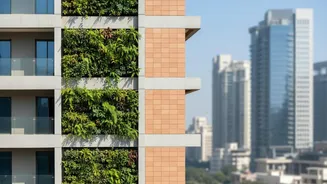
Researchers and urban planners are not without solutions. The key lies in smarter, more sustainable urban design. One of the most advocated strategies is increasing 'blue-green infrastructure'—which means creating more parks, planting trees along roadsides, and restoring urban water bodies like lakes and ponds. Another critical intervention is the use of 'cool materials'. This includes painting roofs with reflective white coatings, which can dramatically lower indoor temperatures, and using lighter-coloured, more permeable paving materials that absorb less heat and allow rainwater to seep into the ground. Implementing updated building codes that prioritize natural ventilation and insulation can also play a major role in creating more resilient and comfortable urban environments.