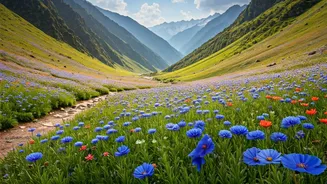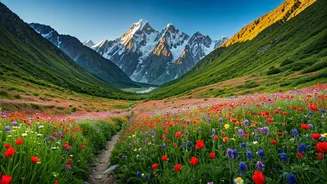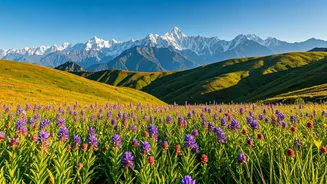




Valley of Flowers, Uttarakhand: A Himalayan Meadow in Full Bloom
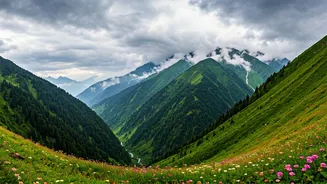
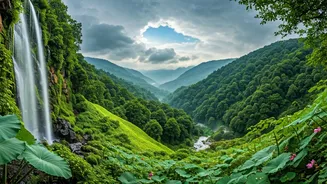
Arguably the most famous monsoon destination in India, the Valley of Flowers in Uttarakhand is a UNESCO World Heritage Site that truly comes to life with the rains. [11, 15] From July to September, this high-altitude valley transforms into a breathtaking
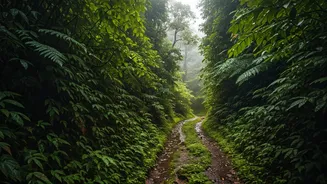
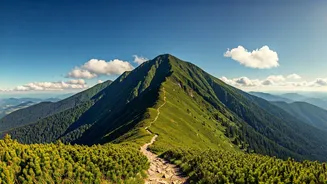
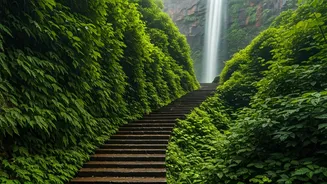
carpet of over 600 species of wildflowers, including the rare blue poppy. [6, 11, 20] The monsoon is the best, and only, time to visit, as the valley is open for a narrow window of just a few months. [11, 34] The trek to the valley, starting from Govindghat and based out of Ghangaria, is a moderate-level journey through lush forests, past roaring rivers, and alongside waterfalls at their peak flow. [6, 14] While the trek requires a decent level of fitness, the reward is an otherworldly landscape painted in vibrant colours, often shrouded in mist, making it a paradise for photographers and nature lovers. [14, 20]
Kasauli, Himachal Pradesh: Colonial Charm in the Clouds
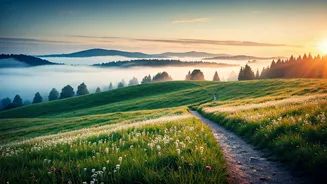
For those seeking a quieter, more relaxed monsoon experience, the colonial-era town of Kasauli is an ideal choice. During the monsoon months of July to September, the town is draped in a thick blanket of mist, and the surrounding pine forests become intensely green and fragrant. [5, 7] The rain washes the landscape clean, offering a peaceful and restorative atmosphere far from the city's noise. [8] It’s the perfect season for long, romantic walks on mist-covered paths like the Gilbert Trail or enjoying the cosy ambience of a cafe. [5, 8] Unlike more crowded hill stations, Kasauli offers a tranquil escape, with rolling clouds playing hide-and-seek with the valleys below. [8] While heavy rains can occasionally restrict outdoor activities, the town’s charm lies in its slowness, making it perfect for those who want to unwind with a book and a view. [10]
Mussoorie, Uttarakhand: The Rejuvenated Queen of Hills
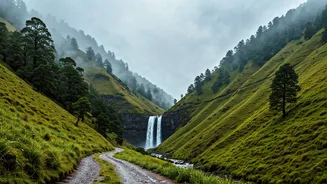
While popular year-round, Mussoorie reveals a different, more enchanting character during the monsoon. [17] The summer crowds thin out, leaving the town quieter and more peaceful. [13, 31] The hills turn a vibrant, lush green, and the air becomes crisp and fresh. [31] The 'Queen of Hills' is often wrapped in clouds, with mist drifting down Mall Road and Camel's Back Road, creating a magical atmosphere. [13, 17] Waterfalls like Kempty and Bhatta, often crowded in summer, roar back to life with renewed energy. [17, 19] It’s a season for enjoying the simple pleasures: sipping hot chai at a Landour cafe, taking a quiet walk after a fresh shower, or simply watching the clouds float by from your hotel window. [13, 31] While landslides can be a concern on the roads, for those who travel cautiously, Mussoorie in the monsoon is a deeply refreshing experience. [28]
Shoja, Himachal Pradesh: An Offbeat Green Sanctuary
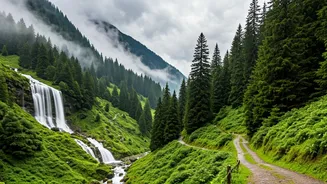
If your idea of a monsoon getaway is escaping to a place far from the tourist trail, Shoja is your answer. This small, serene village in the Tirthan Valley region is a hidden gem that becomes exceptionally beautiful during the rains. [9, 25] The landscape is painted in countless shades of green, waterfalls become thunderous, and the air is filled with the earthy scent of wet soil. [9] Shoja receives moderate rainfall, making it accessible and enjoyable for those who want to experience the raw beauty of the Himalayas without the risks associated with heavier downpours. [18] It’s a destination for slow travel—perfect for trekking to nearby Jalori Pass, watching the clouds roll through the valley, or simply enjoying the solitude. [23, 25] The lack of crowds and commercialisation makes Shoja a true paradise for anyone looking to reconnect with nature. [9]
A Word on Monsoon Travel Safety
While the monsoon brings out the best in the mountains, it also comes with inherent risks. Heavy rains can lead to slippery roads and landslides, sometimes causing significant travel delays. [21, 28] It's crucial to check weather forecasts before and during your trip and to remain flexible with your itinerary. [29] Always pack waterproof clothing, sturdy non-slip footwear, and a first-aid kit. [30] When driving, be extra cautious on sharp bends and avoid travelling at night during heavy downpours. It's also wise to keep a buffer day or two in your travel plan in case of road blockages. [21, 29] Listening to advice from locals can be invaluable, as they have the best understanding of the area's conditions. [29]