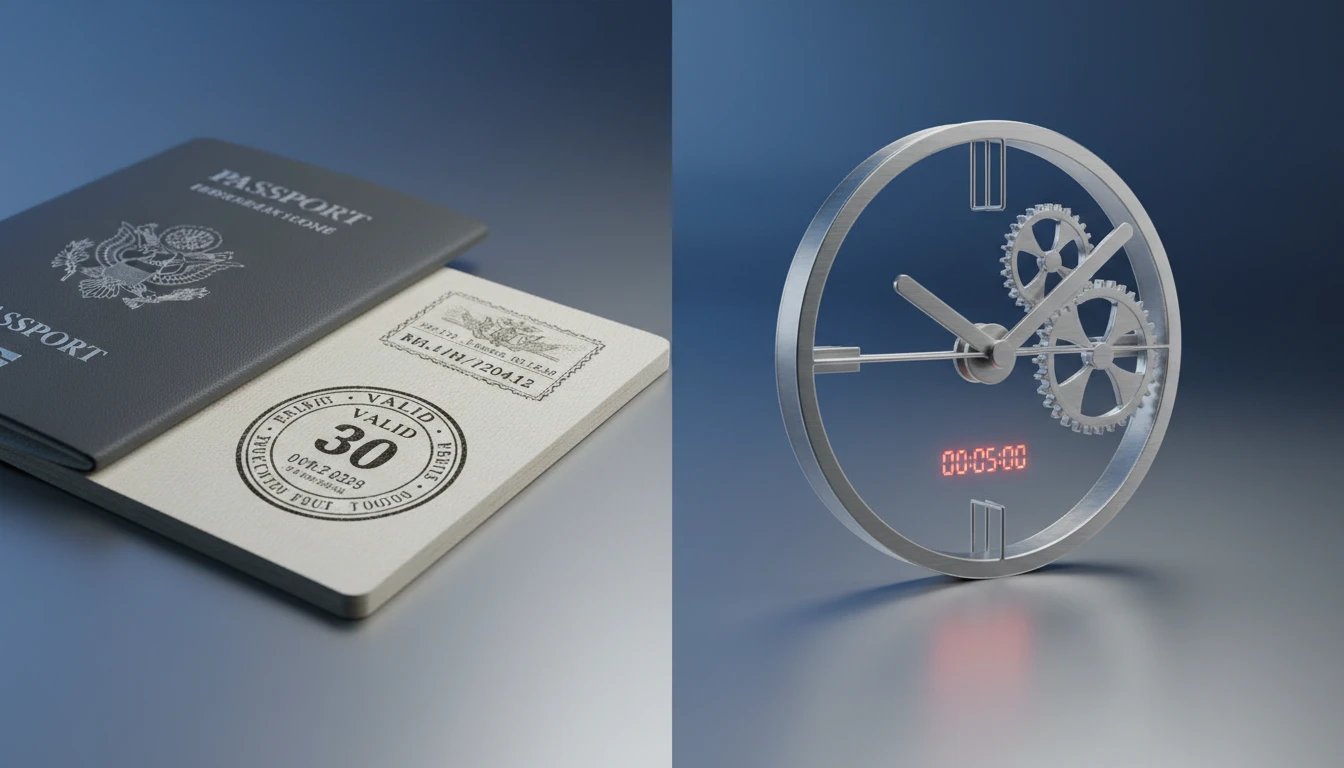









The New 30-Day Rule Explained
In a decision made on July 14, 2026, the Thai Cabinet confirmed that Indian passport holders will continue to benefit from visa-free entry into Thailand. However, the key change is the length of stay. The previous allowance of 60 days has now been halved
to a maximum of 30 days per visit. This move provides clarity after a period of significant uncertainty for travellers. For the majority of Indian tourists, this 30-day window is expected to be sufficient, as official data shows the average stay is just over seven days. The new regulation aims to standardize visa policies while still encouraging tourism from one of its most important markets. The changes will become effective 15 days after they are published in the Royal Gazette.
A Tumultuous Few Months of Policy Changes
This final decision comes after weeks of confusion that negatively impacted travel plans. In May 2026, the Thai government had initially approved a proposal to completely revoke the 60-day visa-free scheme for India and 92 other nations. The plan was to revert Indian travellers to a more restrictive Visa on Arrival (VoA) system, which would have meant more paperwork and shorter stays. Although this stricter policy was never formally implemented, the announcement alone created widespread confusion and uncertainty. Travel agents and prospective tourists were left scrambling, leading to a reported decline of nearly 20% in arrivals from India.
Why the Government Walked Back Stricter Measures
The sharp drop in bookings from India, which is Thailand's third-largest tourism market after China and Malaysia, prompted a swift reconsideration from Thai authorities. The economic impact of losing a significant number of Indian visitors, who are crucial to the country's tourism-dependent economy, could not be ignored. Acknowledging the confusion had hurt the industry, Thailand's Tourism Minister announced that the new 30-day visa-free policy was a compromise. It was designed to restore confidence among Indian travellers and reverse the decline in arrivals while still addressing the government's other concerns.
Balancing Tourism with National Security
The initial move to scrap the generous 60-day visa was driven by security concerns. Thai officials had noted that the longer visa-free stays were being misused by some foreigners for activities beyond tourism, including illegal work and overstaying their permitted time. The government's broader goal is to tighten immigration controls and crack down on illicit activities. Therefore, the reduction to 30 days is seen as a middle ground—a policy that keeps the doors open for legitimate tourists from key markets like India while giving authorities better control over who enters the country and for how long.
What This Means For Your Travel Plans
For most Indian tourists planning a holiday, the change from 60 to 30 days will have little practical impact. A 30-day stay is ample time to explore Bangkok, relax on the beaches of Phuket, or visit the temples of Chiang Mai. However, for those planning longer-term stays, such as 'workations' or extended backpacking trips, this revision is significant. If you intend to stay in Thailand for more than 30 days, you will now need to apply for an appropriate tourist visa before you travel. Regardless of stay duration, all travellers must still complete the Thailand Digital Arrival Card (TDAC) online before landing.