






What Exactly Is Geoengineering?
Geoengineering, or climate engineering, refers to the deliberate, large-scale intervention in Earth's natural systems to counteract climate change. The proposals generally fall into two major camps. The first is Solar Radiation Management (SRM), which
aims to cool the planet by reflecting a small percentage of sunlight back into space. Think of it like creating a planetary sunshade. The second is Carbon Dioxide Removal (CDR), which focuses on capturing and storing existing CO2 from the atmosphere, directly addressing the root cause of warming. Both approaches represent a profound shift in our relationship with the planet, moving from unintentional impact to intentional manipulation.
Solar Solutions and Their Shadow
Solar Radiation Management (SRM) is the more controversial of the two approaches because it is fast-acting but carries immense and unpredictable risks. The most-discussed method involves injecting aerosols, like sulfur dioxide, into the stratosphere to mimic the cooling effect of a large volcanic eruption. Proponents argue this could rapidly lower global temperatures, potentially averting climate tipping points and providing temporary relief while the world decarbonises. However, the downsides are terrifying. Computer models show SRM could drastically alter regional weather patterns, disrupting the monsoons vital for agriculture in places like India and creating winners and losers on a global scale. It also does nothing to stop ocean acidification, as CO2 levels would continue to rise.
The Threat of Termination Shock
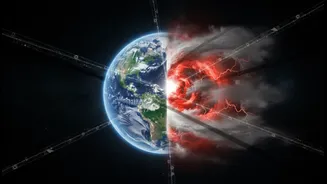
Perhaps the most cinematic risk of solar geoengineering is the “termination shock.” Because SRM only masks warming without removing greenhouse gases, any sudden halt to deployment—whether due to political conflict, natural disaster, or technical failure—would cause temperatures to rebound with terrifying speed. This rapid warming would be far more catastrophic than the gradual changes ecosystems and societies are already struggling to adapt to. Critics compare SRM to a powerful painkiller that treats a symptom while the underlying disease worsens; dependency becomes a real threat, potentially locking future generations into a planetary-maintenance project for centuries.
Carbon Removal: Slower but Safer?
Carbon Dioxide Removal (CDR) is generally seen as a less risky, though slower and more expensive, path. Methods range from the natural—like large-scale reforestation and enhancing carbon storage in soil—to the technological, such as Direct Air Capture (DAC) facilities that act like giant purifiers, scrubbing CO2 from the air. While CDR directly tackles the carbon problem, its challenges are about scale, cost, and permanence. Planting enough trees would require vast amounts of land, potentially competing with food production, while DAC technology is currently expensive and energy-intensive. Ensuring the captured carbon stays locked away for centuries is another significant hurdle.
A Geopolitical Nightmare
Beyond the scientific uncertainties lies a governance minefield. Who gets to control the global thermostat? If one country, or even a billionaire, unilaterally decides to deploy SRM, the effects will be global. What happens if dimming the sun helps one nation avoid drought but causes floods in another? The potential for international conflict is immense. There is currently no international consensus or regulatory body equipped to manage such planet-altering technologies. This lack of governance is why many scientists and nations are calling for a moratorium on deployment and even a non-use agreement, arguing that the social, ethical, and political challenges may be even greater than the technical ones.