






The Monsoon's Gradual Goodbye
The end of the southwest monsoon isn't like flipping a switch. Instead of an abrupt stop, the monsoon undergoes a gradual withdrawal. This process, which can begin in early September and last for weeks, involves a slow retreat of the moisture-laden winds
that bring rain. As these winds weaken, the large-scale weather pattern over India shifts. The low-pressure system over the northern plains, which pulls in the monsoon winds, is replaced by a high-pressure system. This transition phase is what sets the stage for the uncomfortable heat to follow.
The Real Culprit: Lingering Humidity
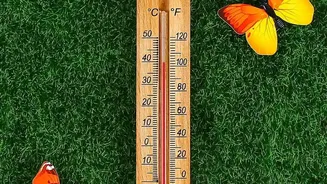
The single biggest factor behind this post-rain heat is humidity. Monsoon rains saturate the air and ground with moisture. As the monsoon withdraws, the rains become less frequent, but the atmosphere remains loaded with this residual water vapour. Our bodies cool themselves through the evaporation of sweat. However, when the air is already full of moisture (high relative humidity), sweat evaporates much more slowly. This drastically reduces our body's natural air-conditioning ability, making the air feel much hotter than the actual temperature recorded by a thermometer. This 'feels like' temperature is what scientists call the Heat Index.
Return of the Unobstructed Sun
During the peak monsoon season, persistent cloud cover acts as a natural shield, blocking a significant amount of direct sunlight and keeping daytime temperatures in check. As the monsoon retreats, these clouds dissipate, leading to clear, sunny skies. This allows for intense and direct solar radiation to heat the land and the air. The combination of clear skies and a sun that is still strong creates a rapid increase in surface temperatures, a key ingredient in the post-monsoon heat cocktail.
Introducing 'October Heat'
This specific phenomenon of hot, oppressive weather following the monsoon is so common it has a name: 'October Heat'. While it's named for October, this period can often begin in September. It is characterised by the twin attack of high humidity left over from the monsoon and high temperatures from the clear skies. Unlike the dry heat of summer, the dampness of October Heat feels more suffocating and exhausting. The lack of strong winds during this transitional period can further trap the hot, moist air near the surface, intensifying the discomfort.
The Role of Shifting Winds
The monsoon is, at its core, a seasonal reversal of wind patterns. The withdrawal phase sees the moist, southwesterly winds from the ocean replaced by drier northeasterly winds blowing from the land. However, this change is not immediate. During the transition, wind speeds can drop, leading to stagnant air conditions that prevent the accumulated heat and humidity from dispersing. This calm allows the heat to build day after day, contributing to the oppressive feeling that defines this time of year.