






The New Digital Airport Experience
Air travel in 2026 is less about paper tickets and more about digital handshakes. Airports globally, and especially in India, are rapidly adopting technologies to streamline passenger flow. Systems like DigiYatra use your face as a boarding pass, allowing
you to move through dedicated e-gates using biometric verification. The goal is a seamless, paperless journey from check-in to boarding. This digital transformation, however, puts the responsibility squarely on the traveller. While these systems promise to cut down queues, they function on the assumption that you have completed all necessary digital steps before even leaving home. Failure to do so can lead to more delays, not fewer.
Mastering Your Pre-Flight Digital Checklist
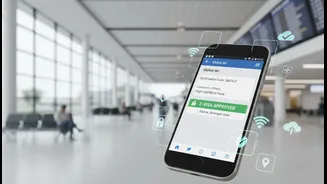
Spontaneity at the airport is a luxury of the past. Your new travel ritual must begin at home, with a digital checklist. First, ensure you have downloaded all necessary apps — the airline's app and, for domestic Indian travel, the official DigiYatra app. Enrol in DigiYatra by verifying your Aadhaar and taking a clear selfie, a process that can take a few minutes and is best not rushed at the airport gate. For international travel, check if your destination requires an Electronic Travel Authorisation (ETA) or an e-visa; for 51 countries, this is mandatory for Indian passport holders before boarding. Discovering you need an ETA at the check-in counter is a recipe for a cancelled trip.
The DigiYatra Mandate
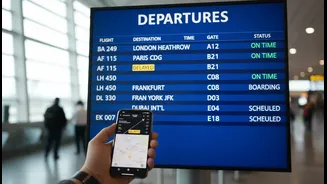
DigiYatra is no longer just a convenient option; it is becoming integral to the Indian travel experience. For international passengers transiting through major hubs like Delhi, Mumbai, Bengaluru, and Hyderabad, using the DigiYatra biometric system became mandatory as of June 2026. To comply, travellers must upload their boarding pass to the app at least 48 hours before departure. This implies you may need to check-in and even pre-select a seat much earlier than you're used to, sometimes for an additional fee, just to generate the required boarding pass for the app. This system shifts a crucial airport process into a pre-travel task that cannot be ignored.
Navigating International Digital Borders
The digital hurdles extend beyond India's borders. Many countries have replaced traditional visa stamps with e-visas and ETAs. These are not mere formalities; airlines are required to verify these digital authorisations before you can board. An approved ETA is electronically linked to your passport, but this also means that if you renew your passport, your old ETA becomes invalid. Furthermore, different countries have different rules and processing times, some taking minutes and others several days. Relying on last-minute applications is a significant gamble. Always check the official government portals for your destination's specific requirements well in advance.
Why You Still Need a Plan B
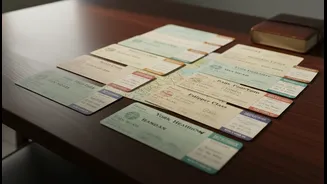
While the future is digital, it's not yet foolproof. A dead phone battery, a cracked screen that won't scan, a crashed app, or unreliable airport Wi-Fi can turn your seamless digital journey into a nightmare. Even with digital passes, some countries like Morocco and Türkiye may still require a printed copy at certain airports. Therefore, the ultimate preparation involves a hybrid approach. Take a screenshot of your mobile boarding pass, as it can be a lifesaver if the app fails. Better yet, carry a printed copy of your boarding pass, visa approvals, and hotel confirmations. Think of it as a small, analogue insurance policy against digital disruption, ensuring that a simple tech issue doesn't derail your entire trip.