






The New, More Accessible Visa Landscape
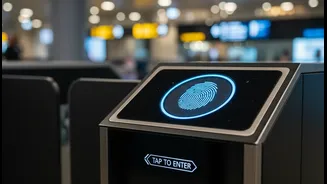
In a concerted effort to bolster its tourism sector, India has rolled out a series of significant visa reforms throughout 2026. A key development has been the expansion of the e-Visa system, which now caters to nationals from 175 countries across various
categories. One of the most traveler-friendly updates is the increase in the number of entry points compatible with the e-Visa. As of early 2026, travellers can now enter through 51 different gateways, including an expanded list of airports, seaports, and even land border crossings. This is a game-changer for those arriving via cruise ships or on overland journeys, opening up new travel circuits beyond the traditional flight hubs of Delhi and Mumbai. While some long-term visa categories have seen fee increases, rates for the popular 30-day and 1-year e-Tourist visas have remained stable, ensuring casual tourism remains affordable.
Proposals for a Friendlier Future
The momentum for reform doesn't stop there. A landmark report in mid-2026 from NITI Aayog, the government's policy think tank, in collaboration with the Ministry of Tourism, has laid out an ambitious roadmap for the future. The headline proposal is the potential introduction of a 90-day, multiple-entry Tourist Visa-on-Arrival for select countries. The goal is to slash pre-departure formalities and make India a more attractive option for last-minute trips and regional tours. The report also recommends simplifying the entire visa structure, reducing multiple sub-categories into broader, more intuitive classifications for tourism, business, and short-term visits. These proposals signal a strategic shift, treating visa policy not as a bureaucratic hurdle but as a crucial tool for tourism competitiveness.
Measuring the Momentum in Arrivals
The impact of these changes is already becoming visible in official figures. According to data shared by the Ministry of Tourism in Parliament, India saw 20.6 million international tourist arrivals (including NRIs) in 2024, a significant jump of 57% over the past decade. Foreign tourist arrivals (FTAs) specifically reached 9.95 million in 2024, nearing pre-pandemic levels. This recovery has been supported by improved connectivity and infrastructure development alongside the visa reforms. This positive trend has also improved India's global standing. In the World Economic Forum's Travel and Tourism Development Index for 2024, India climbed to 39th place out of 119 countries, a significant rise from its 65th position in 2013. The data shows a clear and substantial improvement in tourist footfall over the last decade.
The Economic Ripple Effect
This influx of visitors translates directly into economic benefits. International visitor spending reached a record ₹3.1 lakh crore in 2024. Projections from the World Travel and Tourism Council (WTTC) suggest this trend will continue, with international visitor spending forecast to hit ₹3.3 trillion in 2026, a 15.3% increase over the previous year. Tourism as a whole contributed 5.22% to India's GDP in FY24, supporting an estimated 84.6 million jobs. The government is aiming to build on this, with a vision to make India a USD 3 trillion tourism economy by 2047. To help facilitate spending, initiatives like the UPI One World prepaid wallet are being piloted, allowing visitors from over 40 countries to use the popular payment system without an Indian bank account.