





Shop Smarter, Not More
The golden rule for monsoon vegetable shopping is to resist the urge to buy in bulk. While stocking up seems convenient, the humid weather significantly shortens the shelf life of most vegetables. Instead, plan for more frequent, smaller trips to the market
every two to three days. This ensures you’re always using the freshest possible produce and reduces the chance of finding a forgotten, wilted bunch of greens in the back of your fridge. When at the market, be extra vigilant. Carefully inspect vegetables for any signs of sogginess, discolouration, or bruising, as these are early indicators of rot that will spread quickly. Leafy greens, in particular, are vulnerable to pests and decay during the rains, so choose bunches that look crisp and vibrant.
Embrace Monsoon-Friendly Vegetables
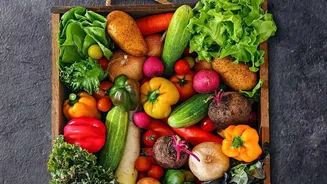
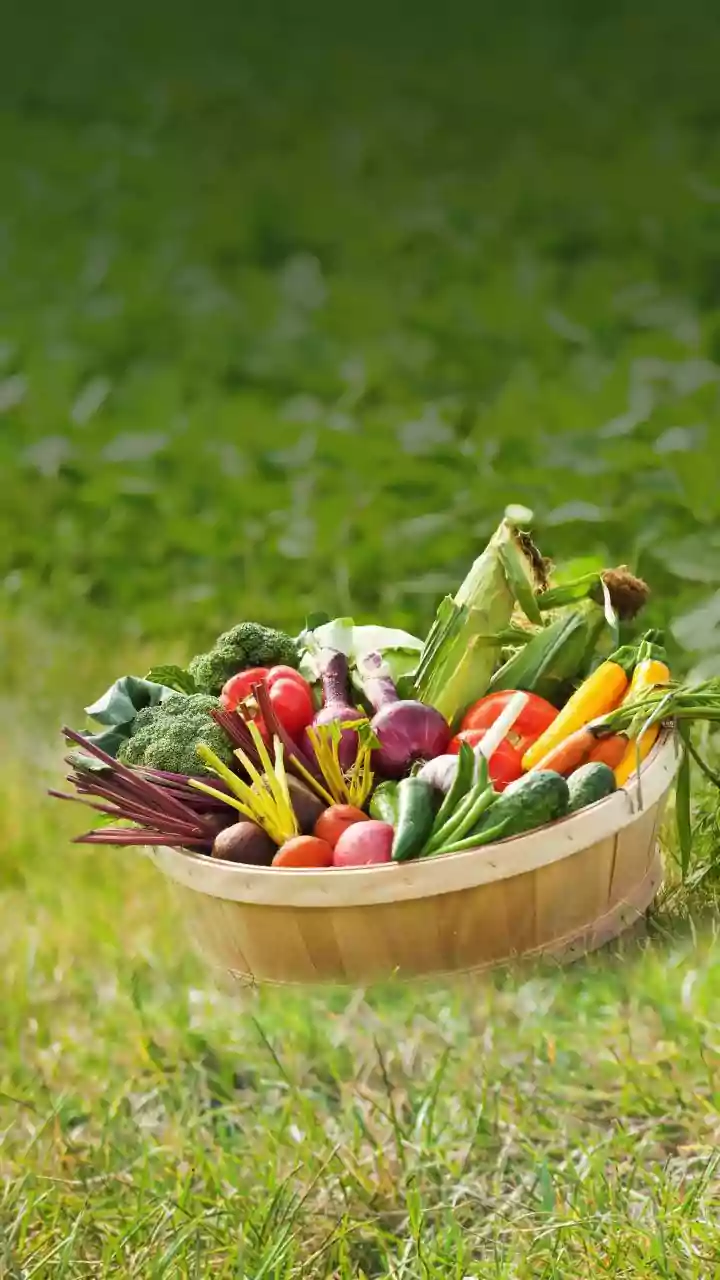
Nature has a way of providing what we need for the season. The monsoon is the perfect time to explore a variety of gourds, which thrive in this weather and are less prone to quick spoilage. Vegetables like bottle gourd (lauki), ridge gourd (tori), snake gourd (chichinda), and Indian squash (tinda) are excellent choices. These vegetables are not only hardy but also packed with nutrients and easy to digest, making them ideal for the season. Similarly, tubers like potatoes, sweet potatoes, and yams (suran) are good to have on hand, as they have a naturally longer shelf life. While leafy greens like spinach and fenugreek (methi) are nutritious, they require careful handling. It's best to consume them on the day of purchase if possible.
Master the Art of Monsoon Storage
How you store your vegetables is just as important as how you buy them. The number one enemy during the monsoon is moisture. A common mistake is washing vegetables before storing them, which only accelerates decay. It's best to store them unwashed and only rinse them just before cooking. If vegetables are damp from the market, pat them dry gently with a clean cloth. Ditch the plastic bags you get from the vendor; they trap moisture and heat, speeding up spoilage. Instead, wrap leafy greens in paper towels or a cotton cloth to absorb excess moisture before placing them in a container in the fridge. For vegetables like carrots, beets, and cucumbers, storing them in perforated or breathable bags in the refrigerator's crisper drawer works best. Potatoes, onions, and garlic should never be refrigerated; keep them in a cool, dark, and well-ventilated place like a mesh bag or basket.
Plan Your Meals and Use Your Freezer
One of the most effective ways to avoid overbuying is to plan your meals for a few days in advance. Knowing exactly what you need to buy prevents impulse purchases that often lead to waste. It also helps you use up what you already have before it goes bad. For items you know you won't use immediately, the freezer is your best friend. Techniques like blanching vegetables before freezing can preserve their freshness and nutrients for weeks. This works wonderfully for produce like peas, carrots, and even some greens. You can also prepare and freeze tomato puree or ginger-garlic paste, which are staples in Indian cooking. This not only saves produce from spoiling but also cuts down on your daily prep time, making it a win-win strategy for navigating the monsoon kitchen.