





Fueling Your Journey Strategically
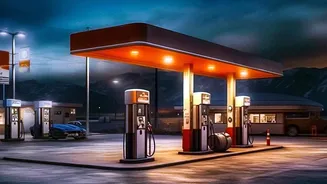
Fuel is one of the biggest recurring costs on a road trip, and a little planning goes a long way. Prices for petrol and diesel can vary significantly from one state to another due to differences in local taxes (VAT). Before you start, it's wise to check
the prices along your route. You can save a considerable amount by planning to fill your tank in states where fuel is cheaper. Beyond just the cost, consider availability. On major national highways, fuel stations are plentiful. However, if your journey takes you through remote, rural, or hilly areas, pumps can be few and far between. A crucial rule is to never let your tank run too low; refuel when it's about one-third full to avoid the stress of searching for a station with a near-empty tank. Using a highway fuel station locator can help you map out reliable refuelling points in advance.
Navigating Tolls with FASTag
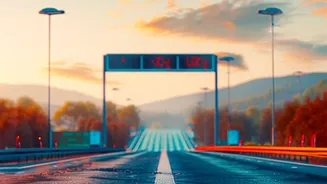
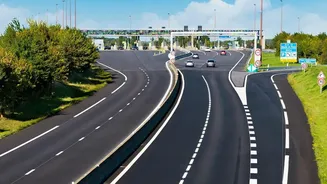
India's national highways are now almost entirely automated for toll collection, thanks to FASTag. This RFID sticker, fixed to your vehicle's windscreen, is linked to a prepaid wallet or bank account, allowing for automatic toll deductions as you drive through a plaza. Having a valid, funded FASTag is virtually mandatory; vehicles entering a FASTag lane without one are typically charged double the toll amount. To get started, you can purchase a FASTag from certified banks or through popular digital payment apps, which also facilitate easy recharges. Before any long trip, ensure your FASTag is active and has sufficient balance to avoid any hassles. Keeping the RFID sticker clean and correctly placed on the windshield also ensures better readability at the plaza.
How to Budget for Tolls
Toll charges are a significant part of any road trip budget, often costing between ₹2 to ₹3 per kilometre on national highways. Thankfully, estimating these costs is easier than ever. Google Maps now displays estimated toll prices for your planned route on its mobile app, sourcing data from local authorities. This feature is usually on by default and provides a good preliminary estimate. For more detailed planning, several online toll calculators are available. These tools allow you to enter your start and end points, along with your vehicle type, to get a plaza-by-plaza breakdown of expenses. This helps you create a more accurate and comprehensive travel budget, ensuring no financial surprises along the way.
Driver Rest: The Most Critical Safety Check
Of all the planning elements, ensuring adequate rest is the most critical for safety. Driver fatigue is a leading cause of severe accidents on Indian highways. It significantly impairs judgment, slows reaction times, and can lead to brief, involuntary sleep episodes known as 'micro-sleeps'. Driving after being awake for over 17 hours can impair your abilities as much as driving with a blood alcohol level at the legal limit. The risk is highest during the body's natural low-energy periods, typically between 2 AM and 6 AM and in the late afternoon. Driving on straight, monotonous highways can further induce drowsiness. Recognizing the symptoms—frequent yawning, heavy eyelids, and difficulty focusing—is a sign to stop immediately in a safe location.
Planning Smart and Effective Breaks
The best way to combat fatigue is to build breaks into your itinerary. A common expert recommendation is to take a 15-minute break for every two hours of driving. During these stops, get out of the car, stretch, walk around, and rehydrate. It's also advisable to limit total driving to no more than 8 to 10 hours a day. If you're traveling with another licensed driver, share the driving load to allow each person to rest. Planning your overnight halts in advance, especially during peak travel seasons, is also a good practice to avoid driving late into the night while searching for accommodation. While highway amenities are improving, it's always wise to research hotels or rest stops along your route. Starting your day's journey early after a full night's sleep, rather than driving tired after a long workday, will keep you fresher and more alert on the road.