


The Science of a Strong Start
Not all carbohydrates are created equal. Your body's primary energy source can be broadly split into two types: simple and complex. Simple carbs, like those in sugary cereals, white bread, and pastries, break down quickly. They give you a fast burst of
energy followed by a sharp crash, leaving you tired and hungry. Complex carbohydrates, found in whole grains and vegetables, are different. Because they are rich in fiber, they digest slowly, releasing glucose into your bloodstream at a steady, controlled pace. This prevents sudden energy spikes and dips. When you pair these smart carbs with protein, you slow digestion even further, promoting a feeling of fullness that lasts all morning.
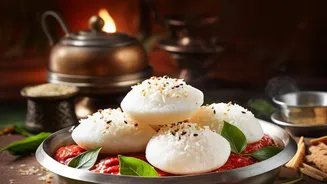
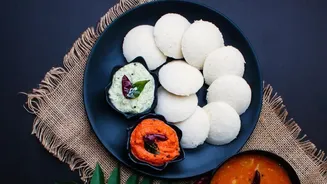
Idli: Steamed, Fermented, and Fantastic
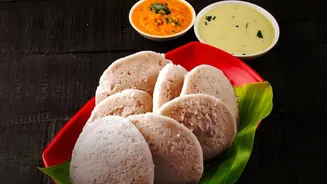
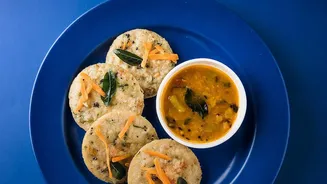
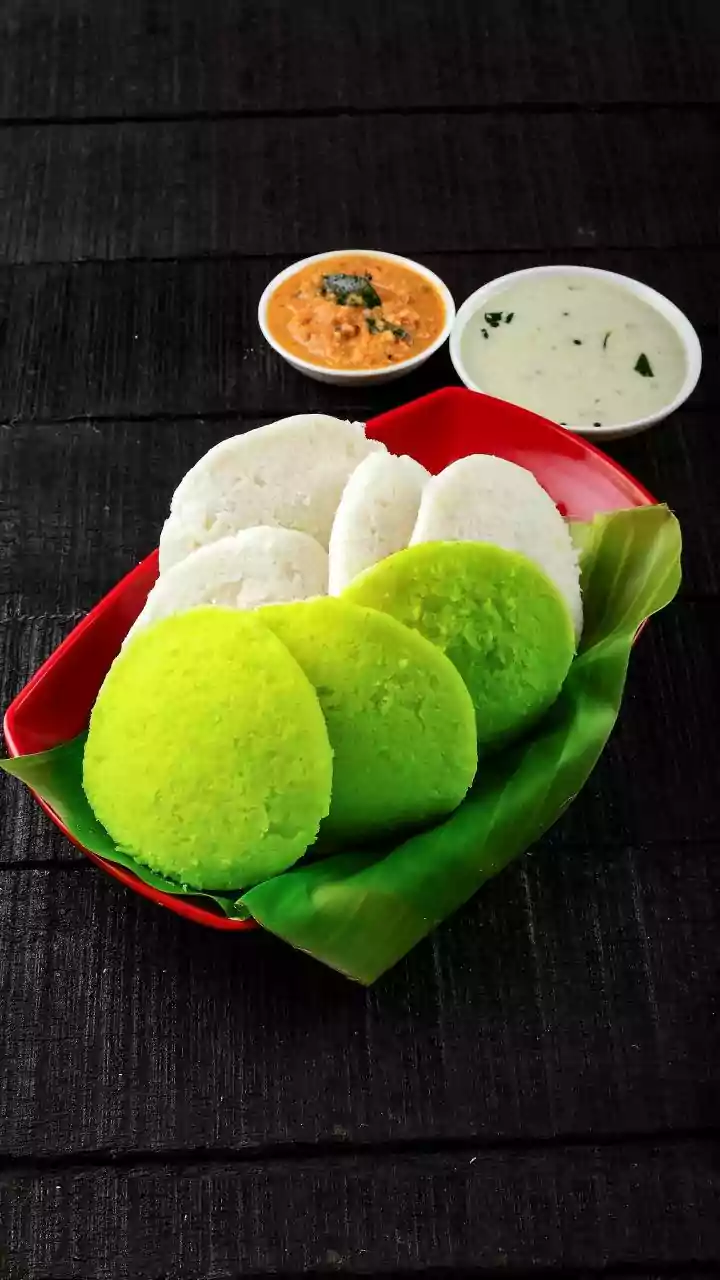
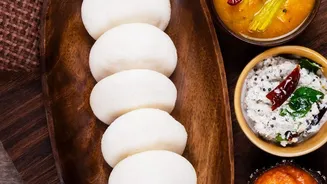
The humble idli is a powerhouse of nutrition disguised as a soft, fluffy steamed cake. Made from a batter of fermented rice and urad dal (black gram), its benefits start before it even hits your plate. The fermentation process not only makes idlis light and easy to digest but also enriches them with probiotics, which are beneficial bacteria that support gut health and improve nutrient absorption. The combination of rice and lentils provides a complete protein profile, while the steaming method of cooking keeps it low in fat. This combination delivers slow-releasing energy that keeps you feeling satisfied and active for hours without any heaviness.
Poha: Light, Wholesome, and Quick
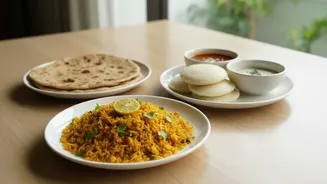
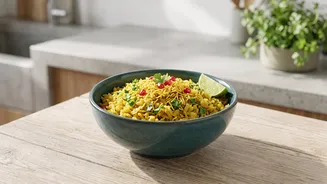
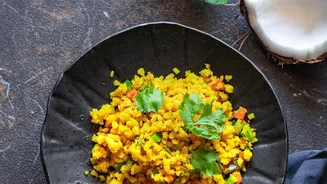
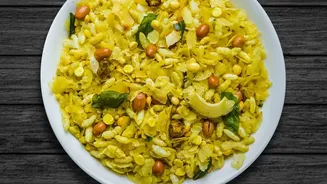
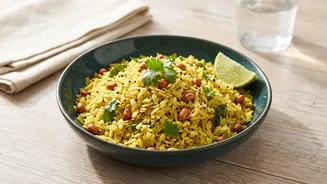
Poha, or flattened rice, is a beloved breakfast across India for good reason. It’s light on the stomach yet provides a substantial energy boost. As a good source of healthy carbohydrates and iron, it's an excellent way to start the day. Poha has a relatively low to moderate glycemic index, meaning it helps promote a slow and steady release of sugar into the bloodstream, preventing energy slumps. Its real strength lies in its versatility. When cooked with vegetables like peas and onions and garnished with peanuts, it becomes a well-rounded meal, packed with extra fiber, vitamins, and protein, ensuring you stay full and focused.
Khapli Paratha: The Ancient Grain Advantage
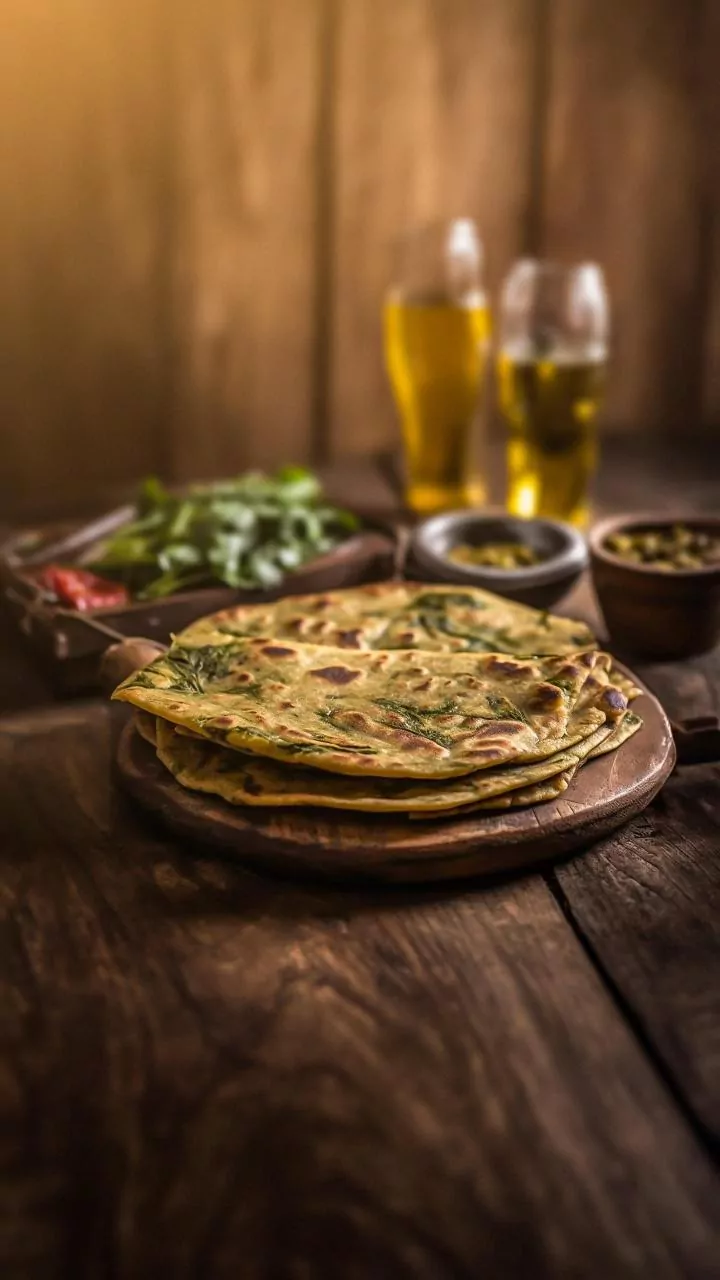
While parathas are a breakfast staple, the type of wheat used makes all the difference. Khapli wheat, also known as emmer wheat, is an ancient grain that is nutritionally superior to modern, hybridized wheat. It has a higher content of protein and dietary fiber and a lower glycemic index, which is crucial for managing blood sugar levels and sustaining energy. This high fiber content means rotis made from Khapli atta keep you feeling full for much longer. Though it contains gluten, its structure is different from that of modern wheat, and many people find it easier to digest. Making a simple swap to Khapli atta for your morning paratha can significantly boost your energy and nutritional intake.
Building a Better Breakfast
The wisdom behind these traditional breakfasts is clear: a balanced plate is key. The goal is to combine complex carbohydrates with a quality source of protein and fiber. You can enhance your idli or poha by pairing it with a bowl of yogurt or a side of sambar, which adds protein and more nutrients. Adding a variety of vegetables to your poha or upma increases its fiber and vitamin content. Even the choice of grain for your roti can turn a simple meal into a high-energy starter. By understanding the principles behind these regional favorites, you can move away from breakfasts that drain your energy and embrace meals that fuel your body and mind for a productive morning.