





A Historic Return
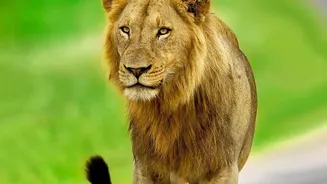
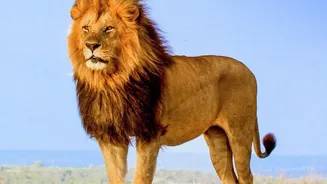
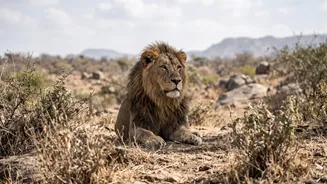
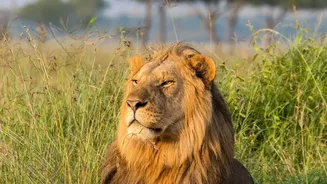
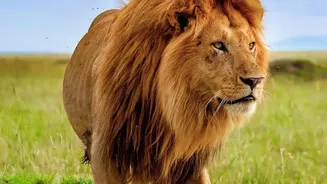
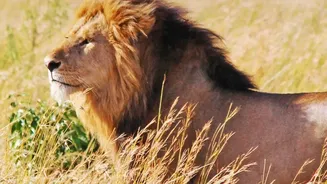
The long silence in the Barda hills was broken in January 2023, when a lone, radio-collared male lion naturally dispersed from the greater Gir landscape, about 100 kilometres away, and walked into the sanctuary. This wasn't a planned reintroduction but
a natural migration, a powerful signal that the habitat was once again ready to support its original apex predator. The last official record of lions in the Barda region dates back to 1879, making this return a momentous occasion celebrated by conservationists across the country. Forest officials had been monitoring the young lion for months as it explored the coastal forests before finally settling in Barda.
Why Barda Matters: The Second Home
For decades, the entire wild population of Asiatic lions was confined to the Gir National Park. While a conservation success, this also created a high-risk 'single point of failure'. A single epidemic, like the Canine Distemper Virus outbreak in 2018 that killed dozens of lions, could devastate the species. To mitigate this risk, wildlife experts have long advocated for establishing a second, geographically separate population. Barda Wildlife Sanctuary was identified as a potential second home as early as 1979. It has now been officially designated as a 'Satellite Population 8' under the Centre's 'Project Lion', making it a crucial insurance policy for the future of the species.
Paving the Way for a New Population
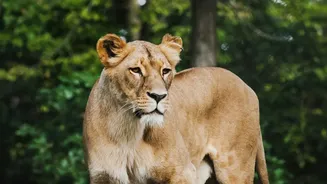
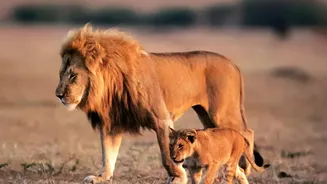
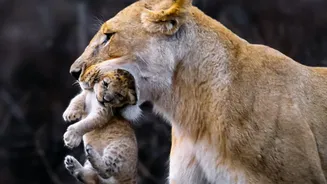
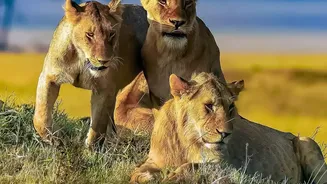
The natural arrival of the male lion was the final piece of a long-running puzzle. For years, the Gujarat Forest Department had been actively preparing Barda for this moment. These efforts included significant habitat restoration, developing grasslands, and, crucially, increasing the prey base. Hundreds of herbivores like chital (spotted deer) and sambar have been translocated to Barda from Gir and released from captive breeding programmes to ensure the lions have ample food. Following the male lion's arrival, the forest department introduced five female lions to help establish a breeding population. The plan worked: by August 2025, the sanctuary was home to a thriving population of 17 lions, including 11 cubs.
A Glimpse into the Future
Scientific studies have confirmed that Barda can support a long-term lion population. Researchers who tracked the radio-collared lions found they were successfully establishing home ranges and social bonds. Their diet primarily consists of wild prey like wild pigs, indicating a healthy adaptation to the new environment. The success at Barda is not just about the lions; it's also about creating a model for coexistence. Ecotourism initiatives launched in 2024 are providing livelihoods for local communities, turning them into stakeholders in conservation. While challenges like preventing human-animal conflict remain, the focus is on managing this new chapter for lions and people alike.