

A Smart Step Towards Sustainability
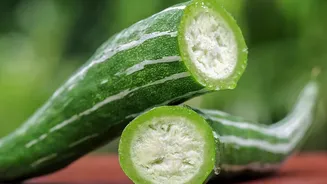
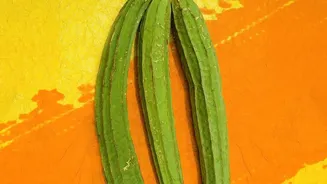
Every year, households generate a significant amount of kitchen waste, and vegetable peels are a major contributor. Repurposing them is not just an eco-conscious choice but also a culinary adventure. Bottle gourd peels, which are often discarded, are packed
with nutrients and fibre. Indian cooking has a long tradition of using vegetable scraps in creative ways, from chutneys to stir-fries. Making kebabs from these peels is a fantastic way to honour this tradition, reduce your environmental footprint, and add a new, exciting dish to your repertoire. It’s a simple, effective step towards a more sustainable lifestyle that begins right in your kitchen.
Gathering Your Kebab Ingredients
This recipe relies on a handful of common pantry staples to transform the peels into flavourful kebabs. The key is to balance the earthy taste of the peels with aromatic spices and a good binding agent. For a batch of kebabs, you will need approximately two cups of clean bottle gourd peels, one cup of gram flour (besan) for binding, one finely chopped onion, and two green chillies for a bit of a kick. For the spice blend, gather half a teaspoon each of ginger paste, cumin powder, red chilli powder, and garam masala. A handful of freshly chopped coriander leaves will add a fresh aroma, and of course, salt to taste. You will also need oil for shallow frying.
Preparing the Peel Mixture
The first and most crucial step is to prepare the bottle gourd peels. Wash them thoroughly and then boil or steam them for a few minutes until they become tender. This step is essential to soften the peels and make them easy to work with. Once boiled, drain them completely and squeeze out any excess water to ensure your kebabs are not soggy. Some recipes suggest finely chopping or grating the peels before boiling, which can also work well. In a large mixing bowl, combine the boiled peels with the gram flour, chopped onion, green chillies, ginger paste, and all the powdered spices. Mix everything together thoroughly. If the mixture feels too wet, you can add a little more gram flour to achieve a firm, dough-like consistency. Let the mixture rest for about 10 minutes to allow the flavours to meld together.
Shaping and Frying to Perfection
Once your mixture is ready, it’s time to shape the kebabs. Lightly grease your palms with a little oil to prevent the mixture from sticking. Take small portions of the mixture and shape them into small, flat, round patties, similar to the shape of a tikki or traditional kebab. Heat a non-stick pan or a tawa over medium heat and add a tablespoon or two of oil. Carefully place the kebabs on the hot pan, leaving some space between them. Fry them on a medium-low flame, which ensures they cook through evenly without burning on the outside. Let them cook for 3-4 minutes on one side until they turn golden brown and crisp. Gently flip them and cook the other side until it reaches the same golden-brown perfection. Avoid overcrowding the pan, and fry the kebabs in batches if necessary.
Serving and Smart Variations
Your crisp bottle gourd peel kebabs are now ready to be enjoyed. They are best served hot, straight from the pan. Pair them with a tangy green mint-coriander chutney, a simple tomato ketchup, or a cooling yogurt dip. A side of sliced onions and a squeeze of lemon can further enhance the flavours. For variations, you can add other boiled and mashed vegetables like potatoes or carrots to the mixture. To make a version similar to Shami kebabs, some recipes suggest boiling the peels with chana dal (split Bengal gram) and whole spices before grinding them into a paste. You can also experiment with adding other ingredients like roasted peanut powder or breadcrumbs for a different texture.