





What Exactly Is Sattu?
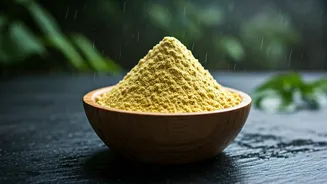
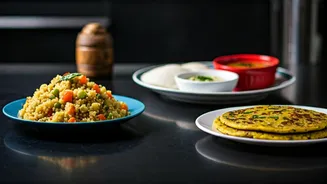
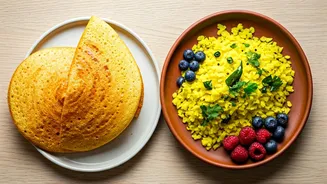
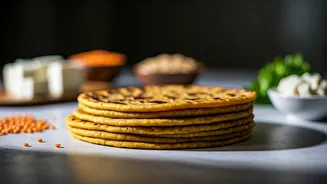
Before it became a social media star, sattu was—and still is—a staple food in states like Bihar, Jharkhand, and Uttar Pradesh. It’s a flour made from roasted grains, most commonly Bengal gram (kala chana). The roasting process is key; it not only gives
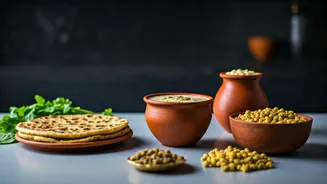
sattu its unique nutty flavour but also makes the nutrients more bioavailable, meaning your body can absorb them more easily. Often called the 'poor man’s protein,' sattu has been fueling labourers and farmers for generations, providing sustained energy for long days of hard work. It's valued for its long shelf life, affordability, and incredible versatility.
Sattu vs. Protein Shake: The Nutritional Breakdown
So, can this traditional flour really replace your high-tech protein powder? Let's compare. A typical scoop of whey protein offers about 24-30 grams of pure, fast-absorbing protein. It’s designed for rapid muscle repair post-workout. Sattu, on the other hand, is a whole food. A 100-gram serving of sattu provides around 20-25 grams of plant-based protein. While the protein count is impressive, sattu brings much more to the table. It's packed with about 10-15 grams of dietary fibre, complex carbohydrates, and essential minerals like iron, manganese, and magnesium. Your expensive protein shake often contains zero fibre and can sometimes include artificial sweeteners and fillers. So, while whey protein wins on pure protein concentration, sattu wins on overall nutritional density. It’s not just a protein supplement; it’s a complete mini-meal.
The Benefits Beyond Just Protein
The magic of sattu lies in its holistic benefits. The high fibre content is a game-changer for gut health, aiding digestion and promoting a feeling of fullness that can help with weight management. Unlike the simple sugars that can cause energy spikes and crashes, the complex carbs in sattu provide a slow, steady release of energy, making it an ideal pre-workout drink or a fulfilling breakfast. Furthermore, sattu has a low glycemic index, which is excellent for regulating blood sugar levels. And in the sweltering Indian heat, a sattu drink is a traditional remedy to cool the body and prevent dehydration, thanks to its hydrating properties and rich mineral content that replenishes lost electrolytes.
How to Make the Perfect Sattu Drink
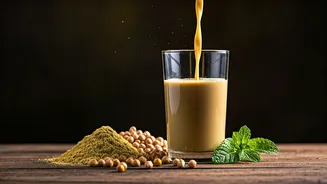
Making a sattu drink is incredibly simple and takes less than two minutes. You can customise it to be sweet or savoury.
For a Savoury Sattu Sharbat (Namkeen):
1. In a glass, add 3-4 tablespoons of sattu flour.
2. Pour in about 250ml of cold water and stir vigorously to avoid lumps.
3. Add the juice of half a lemon, a pinch of black salt (kala namak), and a pinch of roasted cumin powder (bhuna jeera).
4. Stir well and serve chilled. For an extra kick, you can add finely chopped onions or mint leaves.
For a Sweet Sattu Sharbat (Meetha):
1. In a glass, mix 3-4 tablespoons of sattu flour with 250ml of cold water or milk.
2. Add 1-2 teaspoons of jaggery powder (or your preferred sweetener) and stir until it dissolves.
3. Add a pinch of cardamom powder for flavour, if desired. Mix well and enjoy.
The Verdict: Is It a True Replacement?
For the average person looking to stay fit, build lean muscle, and maintain a healthy diet, sattu is an outstanding and cost-effective daily supplement. It provides quality protein, sustained energy, and a host of other nutrients that processed shakes lack. However, if you are a professional bodybuilder or an elite athlete with very specific, high-protein macro targets for immediate post-exercise recovery, a fast-digesting whey isolate might still have its place. For everyone else, embracing sattu means choosing a natural, affordable, and nutritionally balanced option that supports your fitness goals and overall well-being without breaking the bank.