




Why Bake with Millets?
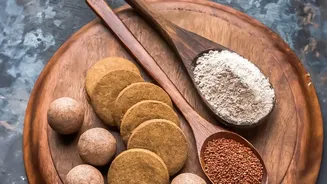
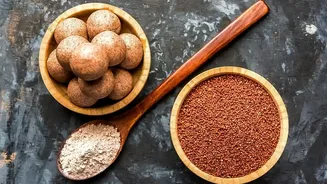
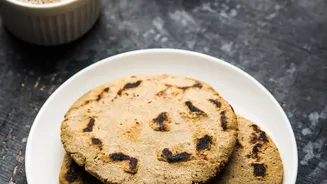
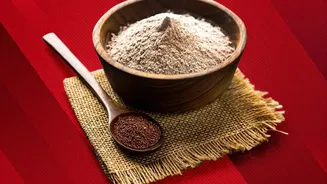
For centuries, millets like ragi (finger millet) and bajra (pearl millet) were staples in Indian kitchens before refined flours took over. Now, they are making a well-deserved comeback, celebrated for their immense health benefits and unique, earthy flavours.
Millets are naturally gluten-free, making them an excellent choice for those with sensitivities. They are packed with dietary fibre, which aids digestion and promotes a feeling of fullness. Ragi is a powerhouse of calcium, while bajra is rich in iron and magnesium, supporting everything from bone health to energy levels. Incorporating these grains into your baking not only adds a nutritional punch but also introduces a wonderful depth of flavour that pairs beautifully with ingredients like jaggery, chocolate, and warm spices.
Essential Tips for Millet Baking
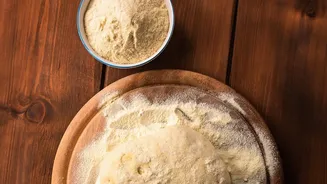
Baking with millet flours is different from using wheat flour, but it's not difficult once you understand their properties. Since they are gluten-free, they don't have the same binding capacity. A common practice is to start by replacing only a portion of wheat flour with millet flour, such as a 50:50 ratio, to get comfortable. Millets absorb a lot of moisture, so your batters might need more liquid—like milk, water, or yoghurt—than you're used to, and adding a little extra oil or ghee helps keep the final product soft. To help with binding, ingredients like mashed bananas, eggs, yoghurt, or a flaxseed-water mixture work wonders. Finally, be mindful of overbaking; millet-based goods can dry out quickly, so it's best to check for doneness a little earlier than usual.
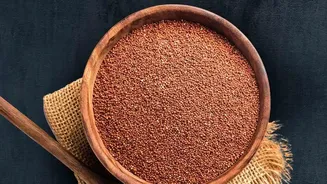
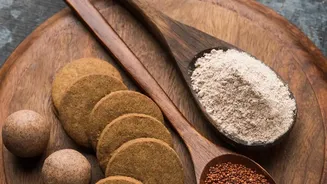
Understanding Ragi (Finger Millet)
Ragi has a distinct, nutty, and slightly earthy flavour that works exceptionally well in rich, dark bakes. Its deep colour makes it a natural fit for chocolate cakes, brownies, and cookies, where its flavour is complemented by cocoa. Some find ragi can have a slightly bitter aftertaste, but this is often balanced by strong complementary flavours. Ragi flour is dense, so it's often combined with other flours like whole wheat or oat flour to achieve a lighter texture in cakes. However, for fudgy bakes like brownies, using 100% ragi flour can yield a wonderfully moist and dense result. Due to its fine texture, it can create very soft bakes when properly hydrated.
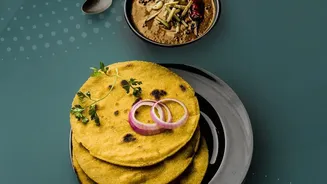
Getting to Know Bajra (Pearl Millet)
Bajra has a slightly nutty, almost bittersweet flavour and a texture that can be described as sandy or crumbly. Traditionally used in winter for its warming properties, it lends itself beautifully to rustic bakes like cookies, crackers, and dense loaf cakes. Because it can be dry, it is almost always used in combination with other flours or binders. For cookies, bajra flour creates a delightful crispness and shortbread-like texture. It pairs wonderfully with traditional Indian sweeteners like jaggery and spices like cardamom and fennel. When making doughs with bajra, just enough liquid should be used to bind the ingredients; over-kneading is not necessary.
Recipe: Fudgy Ragi Chocolate Cake
This simple, moist cake uses ragi's natural density to create a brownie-like texture. Ingredients: 1 cup ragi flour, ⅓ cup unsweetened cocoa powder, ¾ cup powdered jaggery or brown sugar, 2 large eggs, ½ cup oil, ½ cup milk, 1 tsp baking powder, ½ tsp baking soda, 1 tsp vanilla extract. Method: Preheat your oven to 180°C and line an 8-inch pan. In a blender, combine the eggs, jaggery, oil, and vanilla, and blend until smooth. Add the cocoa powder, milk, baking powder, and baking soda, and blend for another 30 seconds. In a separate bowl, take the ragi flour. Pour the wet mixture from the blender over the flour and gently fold with a spatula until just combined, without overmixing. Pour the batter into the prepared pan and bake for 30-35 minutes, or until a toothpick inserted into the centre comes out clean. Let it cool before slicing.
Recipe: Crisp Bajra Jaggery Cookies
These cookies are wonderfully crisp and celebrate the nutty flavour of bajra. Ingredients: 1 cup bajra flour, ½ cup whole wheat flour, ¾ cup powdered jaggery, ½ cup ghee (clarified butter), softened, ½ tsp baking powder, a pinch of salt, milk as needed (approx. 2-3 tsp). Method: Preheat the oven to 180°C. In a large bowl, whisk together the bajra flour, wheat flour, baking powder, and salt. Add the powdered jaggery and mix well. Add the softened ghee and rub it into the flour mixture with your fingertips until it resembles breadcrumbs. Add just enough milk, a teaspoon at a time, to bring the mixture together into a firm dough; do not knead. Roll the dough out and cut into desired shapes, or simply roll small balls and flatten them with your palm. Place on a baking tray and bake for 15-20 minutes, or until the edges are golden brown. They will crisp up as they cool.