

The Years of 'So Close, Yet So Far'
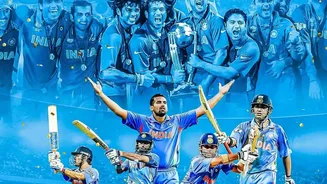
After the 2011 ODI World Cup triumph and the 2013 Champions Trophy win, an era of knockout heartbreaks began for Team India. The pattern was painfully consistent: dominate the league stages, only to stumble at the final hurdles. This narrative took root
at the 2014 T20 World Cup, where India reached the final unbeaten but lost to Sri Lanka. The story repeated in the 2015 ODI World Cup semi-final against Australia, the 2016 T20 World Cup semi-final against West Indies, and the 2017 Champions Trophy final against Pakistan. In each instance, India entered as a formidable contender but couldn't deliver the knockout punch, often succumbing to a single poor performance after a string of brilliant games.
Knockout Pressure and Top-Order Fragility
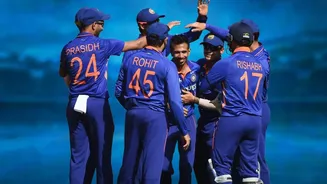
A recurring theme in these losses was the fragility of the celebrated top order in high-pressure games. The 2017 Champions Trophy final saw the top three crumble early against a fiery spell from Pakistan. The most infamous example was the 2019 ODI World Cup semi-final against New Zealand. After topping the group stage, India's chase of a modest target was effectively derailed in the first few overs as the top order was dismantled, a collapse from which they never recovered. This tendency to falter on the biggest stage became a significant psychological barrier. Former captain Rohit Sharma even suggested a "fear of failure" might have crept into the team's mindset during these crucial matches, leading to an inability to perform freely when it mattered most.
The Home Heartbreak and T20 Demolition
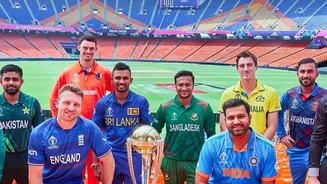
The 2023 ODI World Cup, held in India, felt like the perfect chance to break the jinx. The team was unstoppable, winning ten consecutive matches with a brand of dominant, aggressive cricket that captivated the nation. They marched into the final at Ahmedabad as overwhelming favourites. But on the day, Australia produced a tactical masterclass, silencing a massive home crowd and extending India's wait for a world title. This defeat was arguably the most painful of all. It was bookended by two humbling ten-wicket losses in T20 World Cup knockout games: a group stage exit in 2021 and a semi-final demolition by England in 2022, highlighting a gap in aggressive intent and tactical flexibility in the shortest format.
A New Hope: The Road to 2027
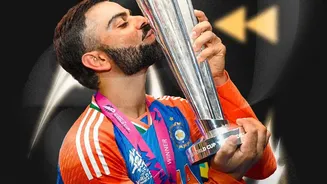
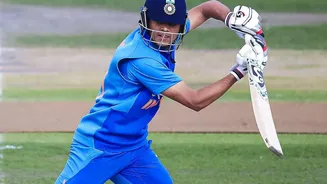
Despite the long drought, the future holds promise. The period of near-misses finally ended with victories in the 2024 and 2026 T20 World Cups, breaking a decade-long psychological barrier and proving the team could win finals again. Now, the focus shifts squarely to the 2027 ODI World Cup in South Africa and Zimbabwe. Discussions are already underway about the right blend of experience and youth. While veterans like Virat Kohli and Rohit Sharma may still be in contention, the team's core is expected to be built around the next generation, including players like Shubman Gill and Yashasvi Jaiswal. Head coach Gautam Gambhir has emphasized the importance of workload management and prioritizing key players like Jasprit Bumrah and Hardik Pandya to ensure they are fit and firing for the 2027 campaign.