





Understanding How Vacuum Bags Work
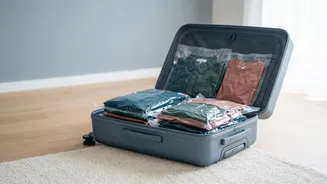
Vacuum bags are essentially airtight plastic bags designed to have air removed from them, compressing the contents inside. This process can reduce the volume of soft goods like clothing and towels by up to 50% or more, freeing up significant space in your
luggage. There are two main types for travel: manual roll-up bags and bags that require a pump. Roll-up bags are convenient because they don't require extra equipment; you simply roll the bag tightly to force air out through a one-way valve. Pump-operated bags, often sold with a small, portable electric or hand pump, can achieve greater compression and are ideal for very bulky items like winter coats.
Choose the Right Bag for Your Trip
The best bag depends on your travel style. For short trips with lighter clothes, or for adventures like trekking where you have no access to power, manual roll-up bags are perfect. They are simple to use and you don’t have to carry any extra gadgets. For longer holidays, especially winter trips requiring bulky sweaters and jackets, a pump system is more effective. The mechanical suction removes more air than rolling can, resulting in a much flatter, more compact package. While it means packing a small pump, the space saved can be the difference between fitting everything in a carry-on and having to check a bag.
What to Pack (And What to Avoid)
Vacuum bags work wonders on soft, bulky items. Think sweaters, fleece jackets, hoodies, jeans, and towels. These items contain a lot of trapped air that can be removed. However, some materials should not be vacuum-packed. Avoid compressing leather garments, as it can cause permanent creases. Delicate fabrics like silk or anything with sharp embellishments like beads or sequins should also be left out, as the pressure can cause damage. While you can pack down-filled jackets for a short trip, avoid long-term compression as it can crush the feathers and reduce their insulating ability.
The Art of Packing the Bag Correctly
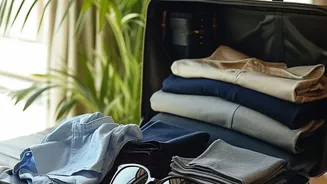
To get the best results and avoid excessive wrinkles, how you pack the bag matters. Don't just stuff clothes inside. Fold everything neatly and stack items flat. This creates an even block that compresses uniformly. Be careful not to overfill the bag; most have a marked 'fill line' as a guide. Leave some space near the zipper to ensure you can get a clean, airtight seal. Run your fingers or the provided clip along the zipper multiple times to make sure it's completely closed before removing the air.
Beware the Weight-Versus-Volume Trap
This is the most important rule of using vacuum bags: they reduce volume, not weight. It can be tempting to add more items since you have the space, but this is how travellers accidentally exceed airline weight limits. For most Indian airlines like Air India, the carry-on weight limit for economy is around 7 kg. An overweight bag can lead to hefty fees at the airport. The best way to avoid this is to invest in a small, portable luggage scale. Weigh your carry-on after packing to ensure you're within the allowed limit before you even leave for the airport.
Navigating Airport Security and Repacking
Vacuum-sealed bags are generally allowed in both carry-on and checked luggage. Security regulations in India and abroad do not prohibit them. However, security officers may ask you to open a bag if the contents appear too dense on the X-ray scanner and they need to conduct a manual inspection. This is why it's wise to pack your bags in a way that is easy to re-seal. If you are using a pump system, always keep the pump in your carry-on luggage so you can re-compress the bag after an inspection. Roll-up bags are easier in this scenario, as they don't require any tools to reseal.