






The Body’s Optimal Operating Temperature
Your body is a finely tuned machine that works best at a core temperature of around 37°C (98.6°F). This is the ideal environment for countless biological processes, including digestion. The stars of the digestive show are enzymes—specialised proteins
that act like tiny scissors, breaking down carbohydrates, proteins, and fats into smaller molecules your body can absorb. Like any sensitive instrument, these enzymes have a preferred temperature range. When conditions are just right, they work efficiently. However, when the temperature drops, their activity can slow down.
Why Warmth Boosts Digestion
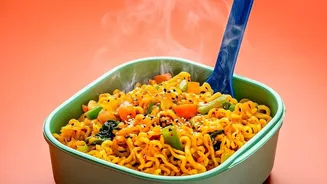
When you eat a hot or warm meal, it arrives in your stomach closer to your body's core temperature. This means your digestive system doesn't have to expend extra energy to heat the food before getting to work. The warmth helps maintain the optimal environment for your digestive enzymes to function effectively. Think of it like giving your digestive system a head start. The food is already at a friendly temperature, allowing enzymes to kick into gear more readily and break down your meal smoothly. Cooked foods are also often partially broken down already, making them easier to digest and their nutrients easier to absorb.
The 'Shock' of a Cold Meal
Conversely, when you consume ice-cold drinks or chilled foods, your body has a job to do before digestion can even begin: it must warm that food up to 37°C. This process requires energy and can temporarily slow things down. Consuming cold items can cause blood vessels in the stomach to constrict, which may reduce blood flow to the digestive organs. This diversion of resources can contribute to a feeling of 'gastric sluggishness', bloating, or discomfort, especially for those with sensitive digestive systems. Studies have shown that both very cold and very hot drinks can slow the rate at which the stomach empties compared to body-temperature liquids. For some people, particularly those with existing issues like functional dyspepsia, cold foods might even trigger gastric contractions and discomfort.
Wisdom from Ayurveda
This preference for warm foods is a cornerstone of traditional medicinal systems like Ayurveda. Ayurvedic wisdom likens digestion to a fire, known as 'agni'. To keep this fire burning strong, it’s advised to consume warm, cooked foods that are easier to process. Cold foods and drinks are believed to dampen this digestive fire, making digestion less efficient and potentially leading to the formation of 'ama', or undigested waste. It’s important to note that the Ayurvedic concept of 'hot' and 'cold' foods also refers to their intrinsic energetic properties, not just their physical temperature. For example, a cucumber is considered 'cooling' even at room temperature. Still, the principle of favouring physically warm foods to support the digestive fire remains a central recommendation.
Finding Your Personal Balance
So, should you swear off salads and ice cream forever? Not necessarily. A healthy digestive system is robust and perfectly capable of handling a variety of food temperatures. The key is moderation and listening to your body. If you frequently experience bloating, gas, or discomfort after cold meals, it might be a sign that your digestive system would benefit from more warm, cooked foods. You don't need to eliminate cold items entirely, but you could try balancing them. For instance, have a warm soup before your salad or drink water at room temperature instead of iced. The goal isn't to follow a rigid rule but to become more mindful of how different foods make you feel and adjust your habits for optimal comfort and digestive health.