






The Skin’s First Line of Defence
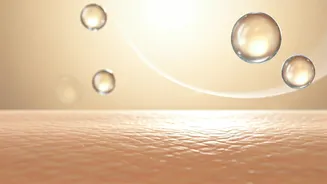
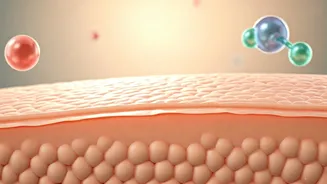
So, what exactly is the skin barrier? Think of it as a protective wall. The outermost layer of your skin, the stratum corneum, is made of tough skin cells (the bricks) held together by lipids like ceramides, cholesterol, and fatty acids (the mortar).
This barrier has two critical jobs: it keeps essential moisture locked in to prevent dehydration, and it keeps harmful elements like pollutants, allergens, and bacteria out. A healthy, functioning barrier results in skin that looks smooth, calm, and even-toned. When it's compromised, it can lead to a host of issues, including dryness, itchiness, redness, and increased sensitivity.
From Stripping to Supporting
The rise of barrier-first beauty is a direct reaction to the aggressive skincare trends of the past. For years, the pursuit of a flawless complexion involved a “more is more” attitude, leading many to over-exfoliate with high-strength acids, overuse powerful retinoids, and scrub their faces into a state of irritation. This constant stripping action wore down the skin's protective lipid layer, leading to what dermatologists call a compromised barrier. Telltale signs include products suddenly stinging, persistent tightness even after moisturizing, unusual shininess, and even an increase in breakouts as the skin becomes inflamed and vulnerable to bacteria. The 2026 trend is a collective course correction, moving away from punishing the skin and toward nurturing it back to health.
Meet the Hero Ingredients
A barrier-first routine is built on ingredients that repair, replenish, and protect. Ceramides are the undisputed stars; these lipids are naturally part of your skin’s mortar and applying them topically helps to immediately patch up gaps in the barrier. Niacinamide (Vitamin B3) is another powerhouse, working from within to stimulate your skin's own production of ceramides, strengthen its defenses, and calm inflammation. Other key players include humectants like hyaluronic acid and glycerin, which draw moisture into the skin, and soothing agents like panthenol and centella asiatica that reduce redness and support healing. Fatty acids and squalane also help to replenish the skin’s lipid content without feeling heavy.
Your Barrier-Friendly Blueprint
Adopting a barrier-first approach doesn't mean throwing out all your active ingredients, but it does mean using them more thoughtfully. The mantra is “less is more.” Start by simplifying your routine, especially if your skin feels irritated. Switch to a gentle, low-foam cleanser that doesn’t leave your skin feeling tight or “squeaky clean.” Focus on hydration and moisturization, using serums and creams rich in the hero ingredients mentioned above. On the nights you use an active like retinol or an exfoliating acid, consider buffering it with a layer of moisturizer and be sure to alternate with “recovery nights” that focus purely on hydration. Most importantly, daily use of a broad-spectrum sunscreen is non-negotiable, as UV exposure is one of the primary culprits behind barrier damage.
A Fundamental Shift in Skin Health
More than just a fleeting trend, the move toward barrier-first beauty represents a more educated and sustainable approach to skincare. Consumers and experts alike now understand that a strong, resilient barrier is the foundation for achieving any aesthetic goal, whether it’s reducing acne, fading hyperpigmentation, or smoothing fine lines. An intact barrier allows other products to work more effectively and reduces the risk of irritation. This philosophy encourages working with your skin, not against it, fostering a long-term relationship built on patience, consistency, and an understanding that healthy skin is the ultimate goal.