








1. AI That Actually Plans Your Trip
Forget spending hours with 30 open browser tabs. The latest generation of AI trip planners is moving beyond basic flight and hotel searches into the realm of personal travel agent. Apps and platforms, some specifically designed for Indian travellers,
now use natural language to build detailed itineraries in seconds. You can type requests like “a 5-day family-friendly trip to Kerala under ₹75,000” and get back a full day-by-day plan, complete with activity suggestions, restaurant ideas, and budget breakdowns. These tools integrate everything from visa information for Indian passports to real-time hotel booking and collaborative features for planning with friends, making the most tedious part of travel genuinely easy.
2. Your Face Is Now Your Boarding Pass
The long queues at airport entry, security, and boarding gates are starting to shrink, thanks to biometric technology. In India, the DigiYatra system is a prime example of this shift. After a one-time registration on the app using your Aadhaar details and a selfie, your face becomes your travel document. At dedicated e-gates in a growing number of airports like Delhi, Mumbai, and Bengaluru, you simply look into a camera. The system verifies your identity and flight details instantly, allowing you to walk through checkpoints without repeatedly fumbling for your ID or boarding pass. This move towards paperless, contactless travel is significantly speeding up airport processing times.
3. The End of Hunting for SIM Cards
One of the biggest headaches of international travel has always been connectivity — buying expensive local SIM cards or paying exorbitant roaming charges. The rise of eSIMs (embedded SIMs) has made this a problem of the past. An eSIM is a digital SIM built into your phone. Before your trip, you can purchase an affordable data plan for your destination from numerous providers online. Upon arrival, you activate it with a QR code and are instantly connected to a local network, often while keeping your home number active for calls and texts. This means no more searching for a SIM vendor at the airport or swapping tiny plastic cards. You get seamless, affordable data from the moment you land.
4. Real-Time Translators in Your Ear
While translation apps on phones have been around for a while, they can be slow and awkward, breaking the flow of a real conversation. The new generation of translation tech is far more discreet and effective. Devices like translation earbuds allow for real-time, two-way conversations in dozens of languages. You and the person you're speaking with can talk naturally, with the translation whispered directly into your ear, sometimes even without an internet connection thanks to offline language packs. This technology is breaking down communication barriers in a way that feels fluid and natural, making immersive travel less intimidating and much safer, especially in emergencies.
5. Never Lose Your Luggage Again
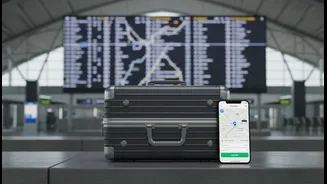
The anxiety of watching an empty baggage carousel is a universal travel fear. Today, small, affordable luggage trackers provide peace of mind. Devices like the Apple AirTag or Tile use Bluetooth to ping their location off of a network of nearby phones, allowing you to see your bag’s last known location on a map in your smartphone app. You can see if your suitcase made it onto the plane with you during a tight connection and know exactly where it is if it gets misplaced. Airlines are also improving their own tracking, with some leveraging IoT sensors to provide real-time updates from check-in to collection, giving passengers unprecedented visibility.