


A Price Tag Beyond Precedent
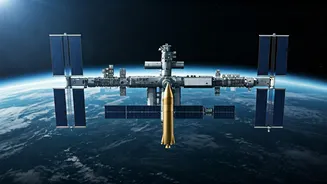
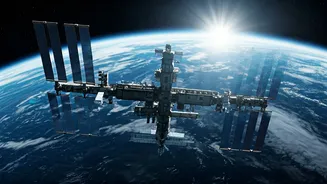
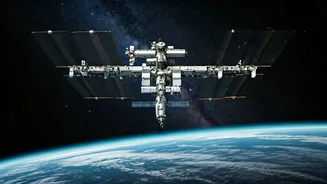
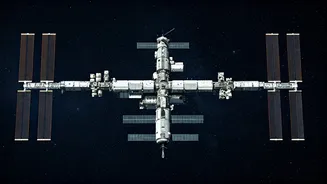
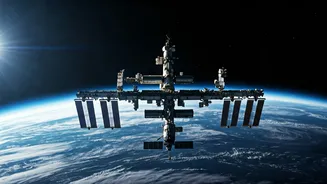
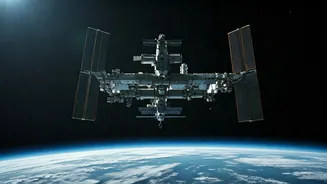
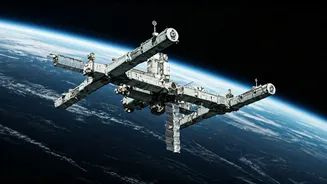
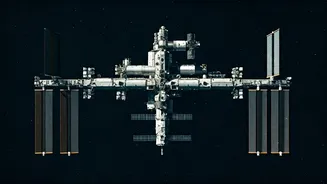
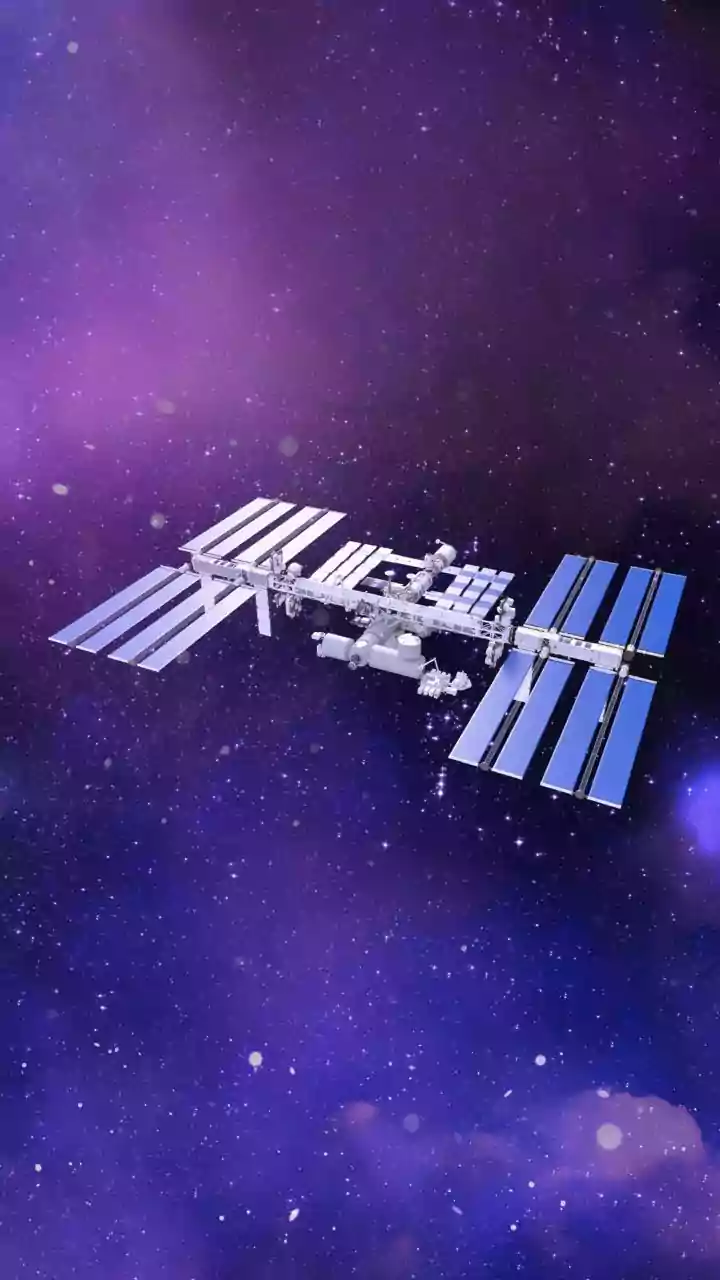
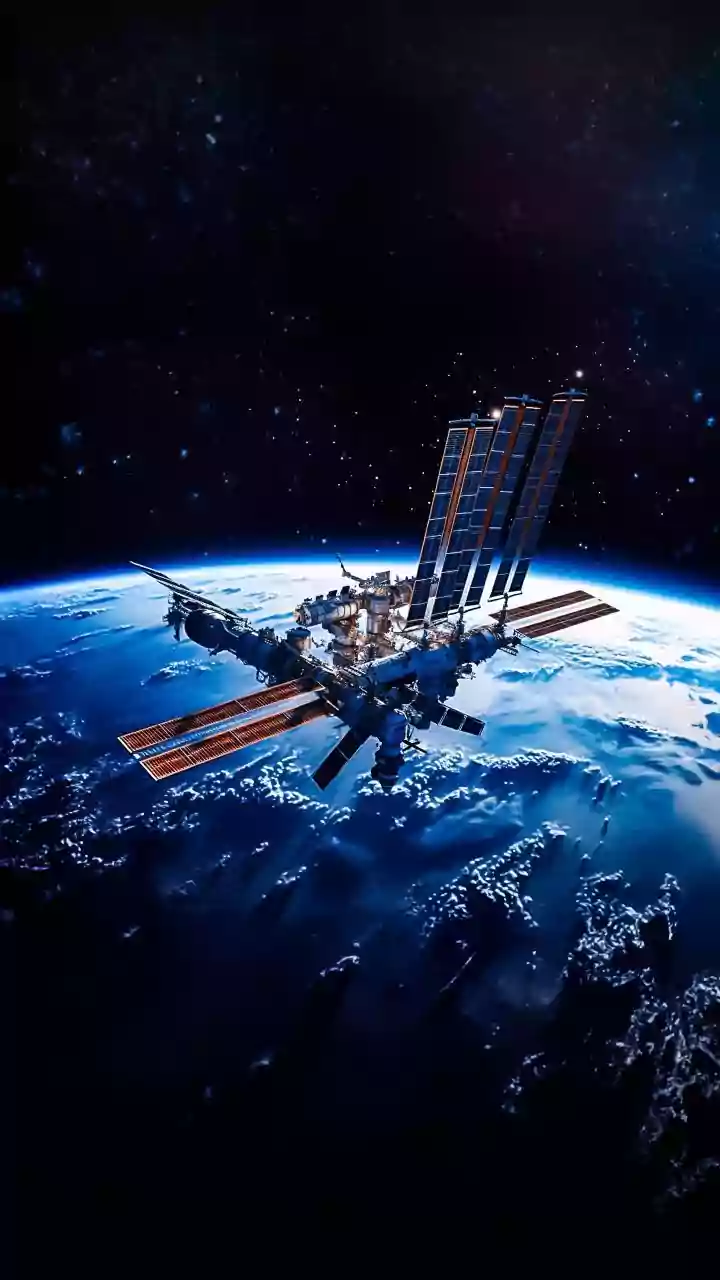
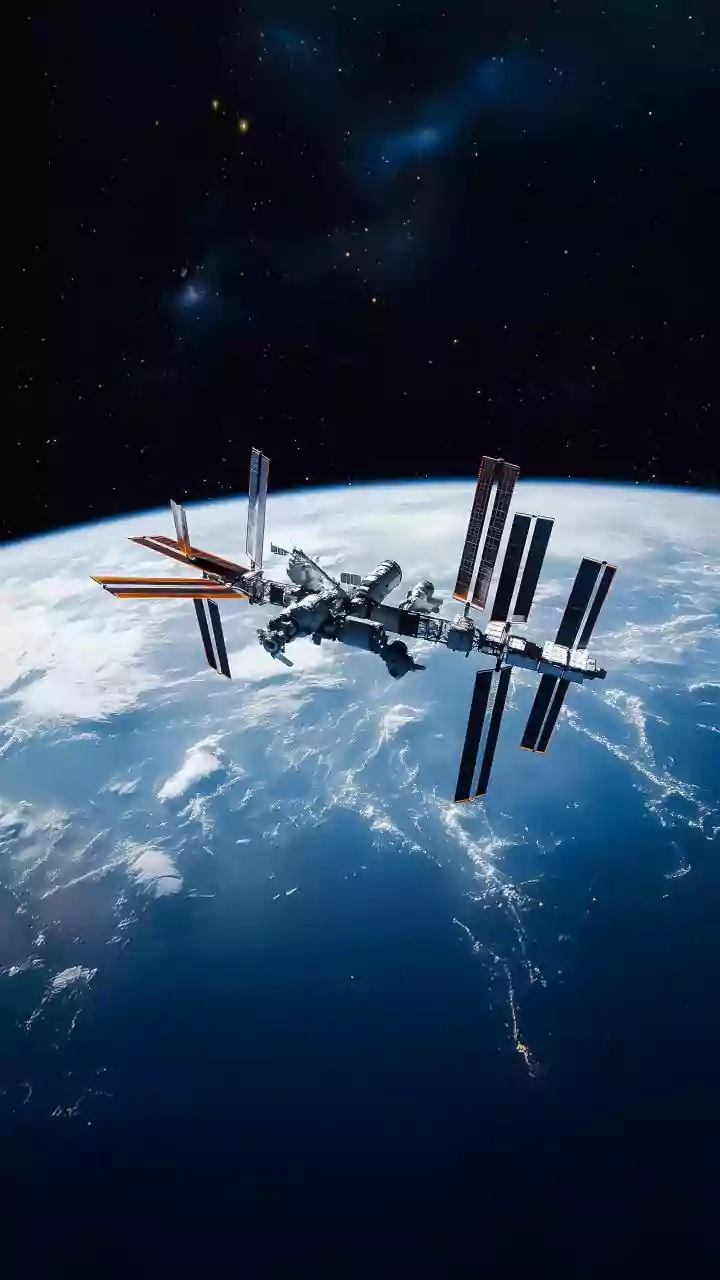
The total cost to build the International Space Station is estimated to be around $150 billion. This figure is so vast it’s difficult to contextualise. It includes the design that started in the 1980s, the individual modules built across the globe, and
the dozens of space shuttle missions required simply to assemble the 450,000-kilogram structure in orbit. The initial development and construction costs were staggering, representing a monumental financial commitment before the station even hosted its first astronaut. This initial outlay makes the ISS a testament to long-term investment strategies on a scale rarely seen outside of national infrastructure projects, but this one was built in the vacuum of space.
The World's Most Expensive Handshake
The ISS isn't owned by one nation but is a complex partnership between five space agencies: NASA (USA), Roscosmos (Russia), JAXA (Japan), ESA (Europe), and CSA (Canada). The $150 billion price tag was shared, though not equally. The United States, through NASA, shouldered the majority of the construction costs. The legal agreements underpinning this arrangement are a masterclass in international financial negotiation, dictating ownership of modules, access for researchers, and responsibility for resupply missions. This collaborative funding model, born from the geopolitical ashes of the Cold War, turned former rivals into partners. The station itself serves as a physical ledger of this unprecedented financial and political cooperation, a deal solidified not in a boardroom, but in low Earth orbit.
The Never-Ending Operating Bill
The spending didn't stop once the station was built. Keeping the lights on, the air breathable, and the experiments running costs an additional $3 to $4 billion every year. This annual budget covers everything from launching crew and cargo to routine maintenance and the massive ground support teams required 24/7. NASA's share of this operational cost is roughly $3 billion annually, consuming about a third of its yearly human space flight budget. This recurring expense highlights that the ISS is not a static purchase but an ongoing financial commitment, similar to maintaining a small, technologically advanced city. Even its end-of-life plan comes with a hefty price tag; decommissioning and safely deorbiting the station is projected to cost around $1 billion.
Calculating the Return on Investment
With such immense costs, the question of value is crucial. The return on this investment isn't measured in profit, but in scientific and technological advancement. Research conducted on the ISS has led to breakthroughs in medicine, materials science, and our understanding of how humans can survive long-duration spaceflight. Studies have shown that scientific papers originating from ISS research are cited significantly more often than comparable Earth-based studies, indicating a higher scientific impact. Beyond science, the project has fostered a commercial economy in low Earth orbit and provided invaluable experience for future missions to the Moon and Mars. The financial record of the ISS, therefore, also includes the immense value generated by its unique microgravity laboratory.