




From Hours to Minutes: The New Era of Speed
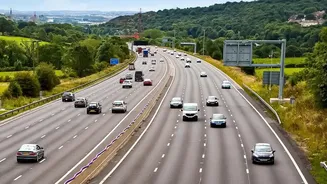
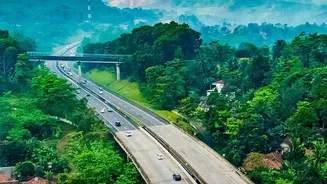
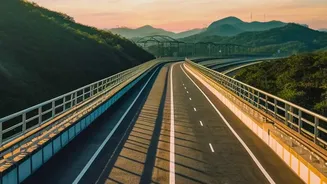
The most significant change brought by India's infrastructure boom is the dramatic reduction in travel time. Ambitious projects under the Bharatmala Pariyojana are creating a web of high-speed corridors, connecting major cities and remote towns like never
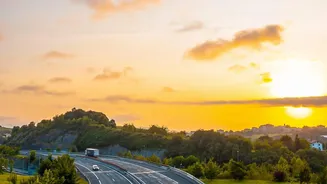
before. For instance, the Delhi-Mumbai Expressway is set to slash travel time between the two metros from 24 hours to just 12. Similarly, the Delhi-Dehradun Expressway has cut the journey from six hours to under three, making a Himalayan getaway a feasible weekend plan. This transformation from long, tiring drives into smooth, fast journeys is the primary catalyst behind India's evolving holiday culture. The government's focus on expanding the national highway network, which grew by over 60% since 2014, has formed the backbone of this new mobility.
The Rise of the Spontaneous Road Trip
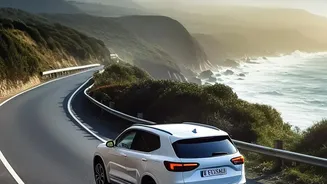
With travel becoming faster and more predictable, Indians are increasingly swapping flights and trains for their own cars. This has given rise to a burgeoning road trip culture, where long weekends and even regular weekends are seen as opportunities for a quick escape. Data from travel and ride-sharing companies shows a significant spike in intercity road travel, especially for leisure. Routes that were once a full day's commitment, like Chennai to Puducherry or Bengaluru to Mysuru, are now easy drives, encouraging spontaneous plans. This trend is not just limited to those who own cars; the flexibility offered by vehicle rentals is also making road trips more accessible to a wider audience. Travellers are embracing the freedom to explore at their own pace, making impromptu stops and discovering hidden gems along the way.
New Destinations on the Tourist Map
Improved connectivity is bringing once-remote locations into the tourism mainstream. Destinations previously considered too difficult to reach are now seeing a surge in visitors, thanks to better last-mile access. According to recent travel data, the fastest-growing travel corridors are not just between major metros but also those connecting Tier-2 cities and leisure destinations. Routes like Thrissur to Kochi and Indore to Ujjain are seeing healthy growth, indicating that the appetite for road travel is spreading beyond big urban centres. This dispersal of tourism helps reduce the burden on traditional holiday spots and brings economic benefits to smaller towns and regional economies. Heritage sites, spiritual centres, and nature retreats in places like Rajasthan, Uttar Pradesh, and the Northeast are becoming more popular as accessibility improves.
An Economy Fueled by the Highway
The highway boom is creating a vibrant ecosystem of roadside businesses. Better highways support the growth of hospitality enterprises, including motels, restaurants, and food courts, catering to the millions of new travellers. The development is not just about convenience; it's a significant economic driver. Infrastructure projects like the Bharatmala Pariyojana are expected to generate millions of jobs, both temporary during construction and permanent through the economic activity they spur. Local businesses in newly connected towns report increased revenues due to higher footfall from tourists and improved access to markets. This ripple effect boosts local economies, raises household incomes in peripheral areas, and ensures that the benefits of national infrastructure projects are felt at the grassroots level.