



The Core Problem: A Costly Dependence
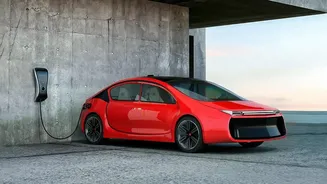
The heart of every electric vehicle is its battery, and for years, the industry has relied on lithium-ion technology. While effective, these batteries come with significant drawbacks for India. The country is almost entirely dependent on imports for key
minerals like lithium, cobalt, and nickel, with a substantial portion coming from China. This reliance creates geopolitical and supply chain risks, while the high cost of these imported materials keeps the price of EVs out of reach for many Indian consumers. In 2025-26, India's lithium-ion battery imports surged to $4.7 billion, a ninefold increase since 2018, underscoring the urgency for a homegrown, cost-effective alternative.
Enter Sodium-Ion: Cheaper and Abundant
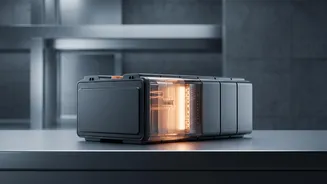
Sodium-ion batteries work on a similar principle to their lithium-ion counterparts but use sodium as their key ingredient. The primary advantage is simple economics: sodium is one of the most abundant elements on Earth, found readily in seawater. This makes it dramatically cheaper than lithium. While lithium-ion batteries rely on expensive and geographically concentrated materials, sodium offers a path to resource independence. Experts project that at scale, sodium-ion batteries could be 20-30% more economical than current lithium-ion packs, a crucial factor for a price-sensitive market like India. This cost reduction is central to making entry-level EVs, especially two- and three-wheelers, truly affordable.
A Boost for Sustainability and Safety
Beyond cost, sodium-ion technology presents significant environmental and safety benefits. Extracting sodium, particularly from seawater, has a much smaller environmental footprint compared to the water-intensive and often destructive process of lithium mining. Furthermore, many sodium-ion battery chemistries avoid using controversial materials like cobalt and nickel. They are also easier and safer to recycle. From a safety perspective, sodium-ion cells are more stable and less prone to 'thermal runaway'—the chemical reaction that can lead to fires in lithium-ion batteries. This inherent stability makes them a more robust choice for India's diverse and often extreme climatic conditions, as they operate well in a wider temperature range.
The Indian Ecosystem Takes Root
Several Indian companies and research institutions are already pioneering this technology. Reliance New Energy's acquisition of UK-based Faradion was a major step, signalling serious industrial intent. Start-ups like Indi Energy are innovating with homegrown solutions, such as developing hard carbon for battery anodes from agricultural waste like rice stubble—a move that could also help address air pollution from crop burning. Other players like GODI, KPIT Technologies, and Macsen Laboratories are also making strides in developing local materials and cell chemistries. This growing ecosystem, supported by government initiatives like the Production Linked Incentive (PLI) scheme for Advanced Chemistry Cells, is building the foundation for a self-reliant battery industry.
Hurdles on the Road to Mass Adoption
Despite the immense promise, sodium-ion technology is not a magic bullet. The most significant challenge is its lower energy density compared to lithium-ion. In simple terms, a sodium-ion battery is typically heavier and bulkier for the same amount of range, which can impact vehicle performance. While this makes it ideal for stationary energy storage and short-range urban mobility like e-rickshaws and scooters, it is less suitable for long-range passenger cars at its current stage of development. Additionally, the manufacturing supply chain is still maturing, and achieving the scale needed to deliver on its cost promises will require significant investment and time. Widespread commercial deployment in EVs is expected to begin in the 2026-2028 timeframe.