




Embrace Fermented Foods
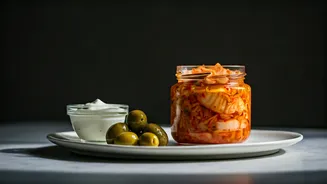
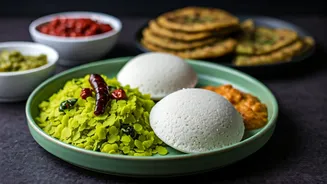
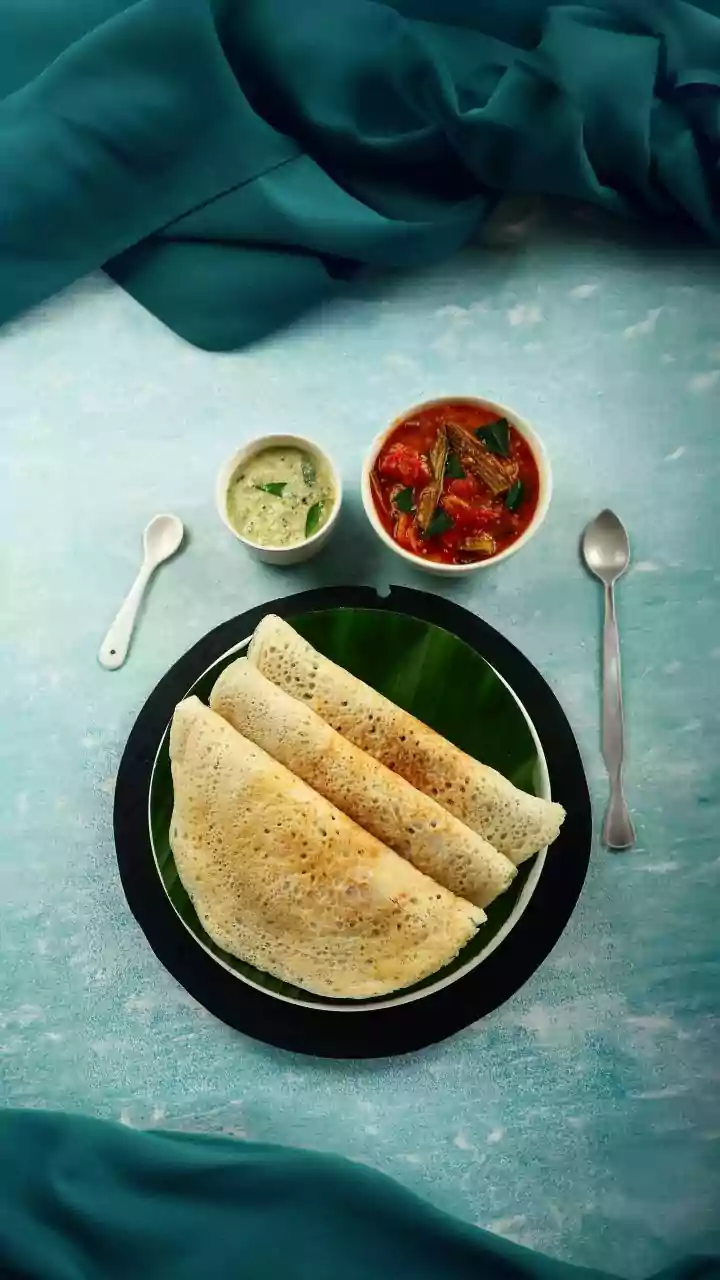
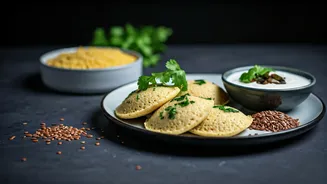
South Indian staples like idli and dosa are more than just delicious; they are nutritional powerhouses. The fermentation process breaks down complex starches and proteins, making them easier to digest and increasing the bioavailability of nutrients like B
vitamins. A plate of soft idlis, made from a rice and urad dal batter, provides a brilliant combination of carbohydrates for energy and protein for satiety. Pair them with sambar, a lentil-based stew loaded with vegetables, to get a healthy dose of fibre and antioxidants. To make it even healthier, try using brown rice or millets like ragi in your batter for added fibre and minerals.
Rethink Your Poha and Upma
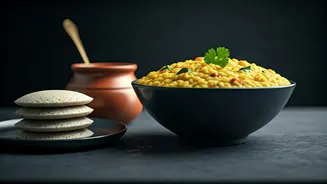
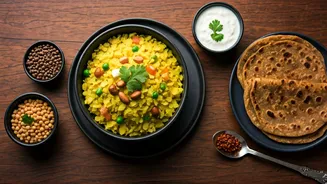
Poha (flattened rice) is a classic breakfast for a reason. It's light on the stomach, gluten-free, and a good source of iron. To elevate its nutritional profile, don't be shy with the add-ins. Load it with colourful vegetables like peas, carrots, and bell peppers. A generous squeeze of lemon juice not only adds flavour but also helps your body absorb the iron, thanks to its vitamin C content. Sprinkling in a handful of roasted peanuts or cashews adds healthy fats and a satisfying crunch. Similarly, when making upma, opt for coarse semolina (sooji) or even broken wheat (dalia) and pack it with vegetables to make it a balanced and filling meal.
Power Up with Protein-Rich Cheelas
If you find yourself hungry an hour after breakfast, you might be missing enough protein. This is where cheelas (savoury pancakes) come to the rescue. A besan (gram flour) cheela is an excellent source of plant-based protein and fibre, keeping you full and energised until lunch. You can stuff it with grated paneer or a mix of finely chopped vegetables for an extra nutritional boost. Another fantastic option is the moong dal cheela. Made from split green gram, it’s incredibly light yet high in protein and easy to digest. These cheelas are quick to make and a perfect way to ensure your day starts on a strong, protein-forward note.
Give Your Paratha a Healthy Makeover
The beloved paratha often gets a bad reputation for being greasy and heavy. But it doesn’t have to be. The key is in the preparation. Swap refined wheat flour (maida) for whole wheat flour (atta) or even a mix of multi-grain flours like jowar, bajra, and ragi. Instead of just aloo, get creative with your fillings. Use mashed sweet potatoes, grated cauliflower (gobi), radish (mooli), or a mix of lentils and spices (sattu). Pan-fry your parathas with minimal ghee or oil, and avoid deep-frying. Paired with a bowl of plain dahi (yoghurt) instead of butter, a stuffed paratha can be a wholesome and balanced meal, providing complex carbs, protein, and fibre.
Don't Forget the Accompaniments
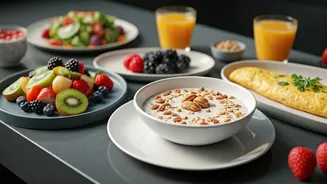
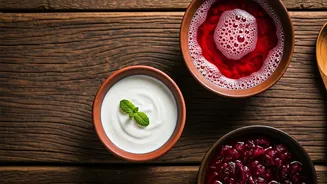
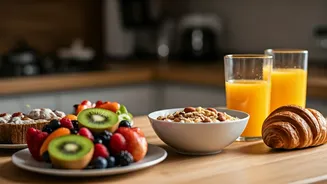
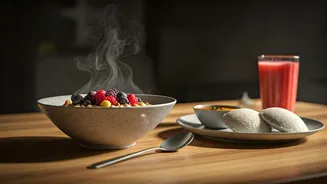
The right side dishes can transform your breakfast from good to great. A bowl of plain dahi or yoghurt is a fantastic source of probiotics for gut health and provides high-quality protein. Freshly made chutneys, like mint-coriander or tomato, are packed with vitamins and antioxidants, and are a much healthier alternative to packaged sauces and ketchup, which are often high in sugar and sodium. Finally, add a side of seasonal fruit. A small banana, a few slices of papaya, or a handful of berries provides natural sweetness, fibre, and essential vitamins, rounding out your meal perfectly. These simple additions ensure you’re getting a wide array of nutrients to fuel your morning.