





Beyond the Syllabus
When we think of the Indian Space Research Organisation (ISRO), we picture rockets soaring into the sky and satellites charting new frontiers. But one of its most critical, long-term missions is happening right here on the ground: the cultivation of India's
next generation of scientists, engineers, and innovators. Through a growing number of outreach programs, ISRO is doing more than just teaching space science; it is imparting crucial life lessons that can't be found in textbooks. These initiatives are designed to move learning from passive reading to active discovery. They challenge students to think critically, solve complex problems, and work collaboratively, nurturing skills that are vital in the 21st century. By providing a direct connection to the world of space exploration, ISRO is showing students that the concepts they study have real-world applications, transforming abstract theories into tangible, exciting realities.
Igniting Curiosity and Ambition
For many students, especially those in rural or underserved areas, a career in space technology can seem like a distant, unattainable dream. ISRO is actively working to change this perception. Programs like YUVIKA (YUva VIgyani KAryakram), or the "Young Scientist Programme," are specifically designed to "catch them young." This two-week residential program brings together school students from across the country, immersing them in the world of space. Participants engage in hands-on activities, build model rockets, visit laboratories, and interact with eminent scientists. The aim is to spark curiosity and show them that a career in STEM is within their reach. By giving preference to students from rural areas, YUVIKA also helps bridge the urban-rural divide in science education, ensuring a more diverse and inclusive talent pipeline for the future.
The Power of Hands-On Learning
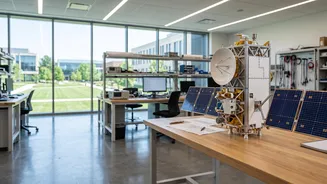
ISRO’s commitment extends beyond school-level inspiration. For university students and budding engineers, the organization provides opportunities for deep, practical engagement. Through internships and student satellite projects, ISRO offers a platform for applying theoretical knowledge to real-world challenges. Capable universities can collaborate with ISRO to design and build their own payloads or even entire nanosatellites, with ISRO providing technical guidance, testing facilities, and launch support. These projects are not simple academic exercises; they require students to master everything from satellite design and fabrication to project management and budgeting. This hands-on experience is invaluable, promoting skills like critical thinking, problem-solving, and teamwork that are essential for any high-stakes career. Even if the internships are often unpaid, the experience and the official certificate are considered highly prestigious and beneficial for future careers.
Building Character and Resilience
Space exploration is a field defined by immense challenges and occasional setbacks. Working on projects, even at a student level, teaches resilience. When an experiment fails or a design proves flawed, students learn to troubleshoot, adapt, and persevere. This process of overcoming obstacles builds not just technical competence but also character. They learn to manage complex tasks, work within a team towards a common goal, and communicate intricate ideas effectively. These soft skills are often the hardest to teach in a traditional classroom but are naturally developed in the high-stakes, collaborative environment of space research. This fosters a scientifically literate generation that can tackle complex issues, whether in space exploration or other pressing global matters like climate change and public health.
Fostering a Sense of National Pride
Engaging with ISRO does more than just build individual skills; it fosters a sense of collective purpose and national pride. The success of missions like Chandrayaan and Mangalyaan has electrified the nation, and for students who participate in ISRO's programs, this connection is deeply personal. They are not just learning about a government agency; they are becoming part of a national legacy. ISRO Chairman S. Somanath has personally urged YUVIKA participants to become "brand ambassadors of ISRO," promoting science and becoming pillars of the country's future development. This direct involvement in India's space saga helps create a generation of citizens who are not only scientifically adept but also deeply invested in the nation's progress and its vision for the future, such as the 'Viksit Bharat by 2047' goal.