



First, Find Your Sunshine
Before you buy a single seed, become a sun detective. Most vegetables need at least 5-6 hours of direct sunlight to thrive. Spend a day observing your balcony, windowsill, or patio. Which corner gets the most light, and for how long? Is it the gentle
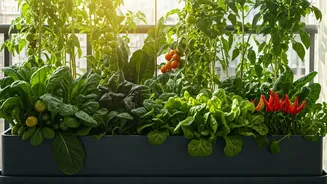
morning sun or the harsh afternoon glare? This information is crucial. Leafy greens like spinach can manage with a little less (around 4 hours), but fruiting plants like tomatoes, chillies, and brinjal are sun-worshippers. If your sunniest spot is a railing, you can use railing planters. If it’s a small patch on the floor, that’s where your main pots will go. Don't worry if you don't have a perfect spot; understanding your light conditions just helps you choose the right plants.
Choose the Right Home for Your Plants
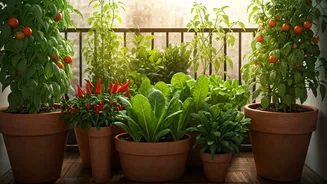
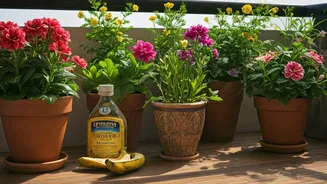
Your plants' 'home' is the container. You don’t need fancy, expensive pots to start. Terracotta (clay) pots are excellent as they are porous and allow the soil to breathe, preventing waterlogging. However, they also dry out faster in the heat. Plastic pots are lightweight and retain moisture longer but can get very hot. A modern favourite is the grow bag, made of durable fabric that promotes healthy root growth. You can even upcycle old paint buckets, plastic bottles, or kitchen containers. The single most important rule is drainage. Whatever container you choose, ensure it has holes at the bottom to let excess water escape. Without drainage, your plant’s roots will rot.
It’s All About the Soil
This is a step many beginners get wrong. Do not simply dig up soil from a park or roadside and put it in a pot. Garden soil is too dense, compacts easily when watered, and may contain pests and weed seeds. What you need is a potting mix. You can buy pre-made potting mixes online or from a local nursery. A good mix is light, fluffy, and drains well while retaining enough moisture. A classic DIY recipe for Indian conditions is an equal-parts mixture of red soil, cocopeat (which helps with water retention), and an organic compost like vermicompost or well-rotted cow dung manure. This blend provides nutrients, aeration, and moisture control—the perfect foundation for healthy vegetables.
Start with Easy, Rewarding Veggies
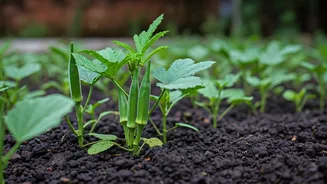
The key to staying motivated is early success. Instead of attempting difficult vegetables, start with these forgiving and fast-growing options that are perfect for Indian kitchens:
- Coriander (Dhania): A staple in every kitchen. It grows quickly from seeds in a wide, shallow pot. You can start harvesting leaves in just a few weeks.
- Mint (Pudina): Incredibly easy. In fact, it grows so vigorously it’s best to keep it in its own pot. You can even grow it from a fresh stalk bought from the market.
- Spinach (Palak): This leafy green loves cooler weather and can be grown in partial sun. You can harvest the outer leaves, and the plant will continue to produce more from the centre.
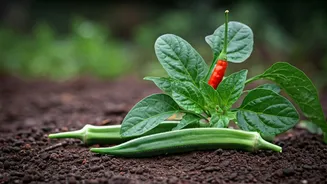
- Chillies: A single, healthy chilli plant in a medium-sized pot can give you a steady supply for your daily needs. They love the sun and come in countless varieties.
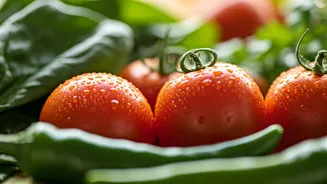
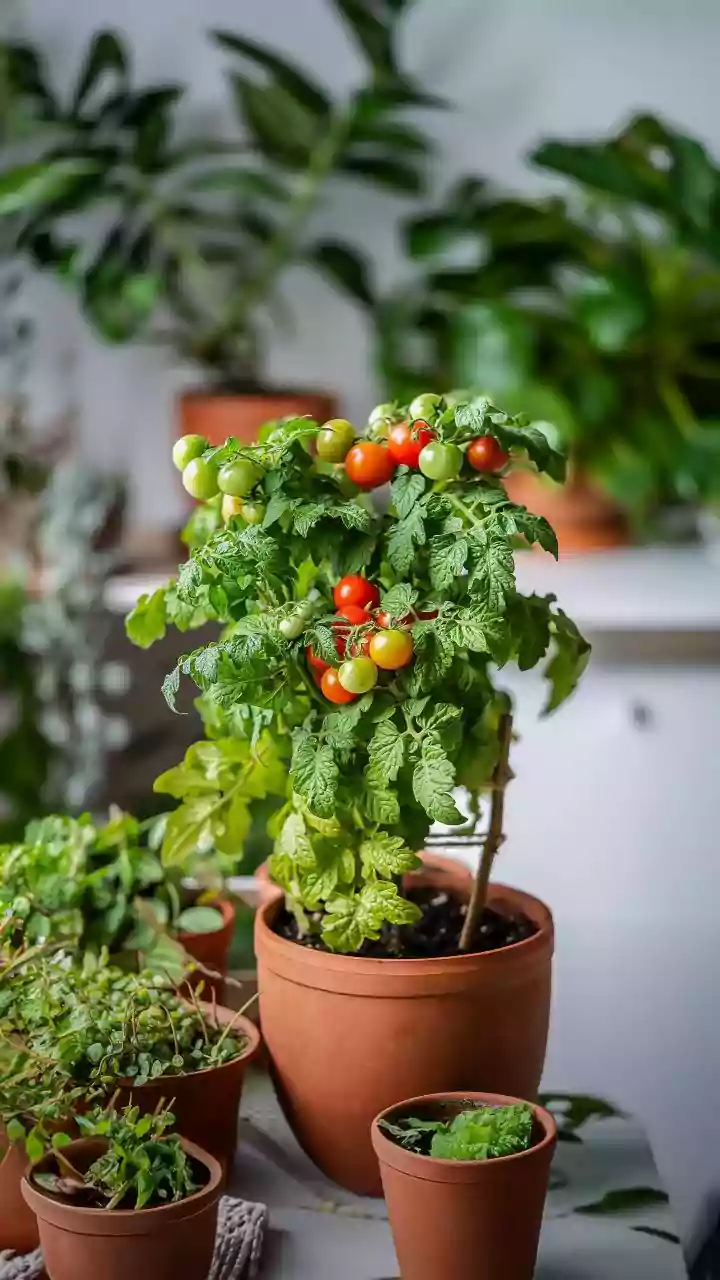
- Tomatoes (Cherry or Roma): A slightly more ambitious but immensely rewarding choice. Choose a determinate (bush) variety for containers. They will need a sunny spot and consistent watering, but the taste of a homegrown tomato is unbeatable.
Watering, Feeding, and Care
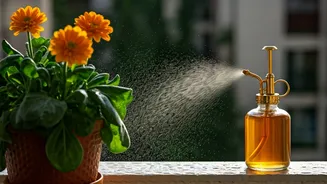
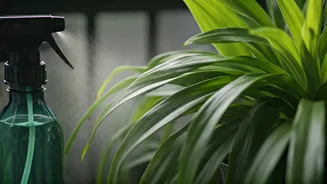
More container plants die from overwatering than underwatering. Don't water on a schedule. Instead, stick your finger an inch into the soil. If it feels dry, it's time to water. If it's damp, wait another day. Water thoroughly until you see it run out of the drainage holes. During hot summer months, you may need to water daily. Every few weeks, you can give your plants a boost with a liquid fertiliser. A simple option is to soak a handful of vermicompost in water overnight and use that water for your plants. Keep an eye out for common pests like aphids. Often, a strong spray of water is enough to dislodge them. For more persistent issues, a simple solution of neem oil mixed with water and a drop of liquid soap works as a natural pesticide.