



The Mushroom that isn't
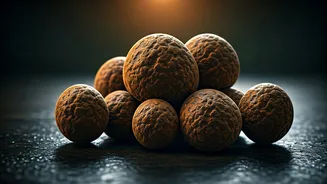
At first glance, Rugda could be mistaken for a small, earth-stained potato or a smooth pebble. Found primarily in the Sal forests of Chotanagpur plateau, this fascinating fungus is botanically known as *Lycoperdon spp* or *Astraeus hygrometricus*. Unlike
the familiar umbrella-shaped mushrooms that sprout above ground, Rugda grows entirely underground, making it a type of subterranean puffball mushroom. This is what makes it so elusive. It cannot be cultivated and only appears for a short window during the monsoon, typically from late June to August. Its appearance is a direct result of the symbiotic relationship it shares with the roots of the Sal trees, drawing nutrients and moisture to fruit just as the rainy season begins.
A Treasure Hunt in the Forest
Harvesting Rugda is no simple task; it’s a treasure hunt passed down through generations. The indigenous tribal communities of Jharkhand, particularly the Munda, Oraon, and Ho, are the keepers of this traditional knowledge. They venture into the damp forests, their eyes trained to spot the subtle cracks in the earth that signal the presence of Rugda underneath. Armed with small shovels or sticks, they carefully dig up these dirt-caked orbs. It’s a labour-intensive process that requires skill, patience, and a deep understanding of the forest ecosystem. This foraging tradition is not just about food; it’s a cultural practice that connects the communities with their ancestral lands.
The Taste of the Earth
So, what makes this humble-looking ball of fungus a sought-after delicacy? The answer lies in its unique texture and flavour. When cooked, Rugda has a chewy, almost rubbery bite that many compare to mutton or a hard-boiled egg white. This meaty texture has earned it the nickname 'vegetarian's mutton'. It has a mild, earthy flavour that beautifully absorbs the spices it’s cooked with. At the start of the season, when it first appears in local markets, its rarity drives the price up, often fetching between ₹300 to ₹500 per kilogram, a significant sum that provides a crucial source of income for the foraging families. As the season progresses and the supply increases, the price becomes more accessible, allowing more people to enjoy it.
From Forest Floor to Festive Plate
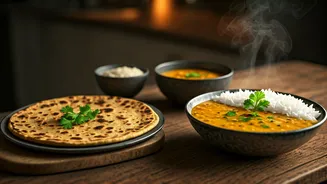
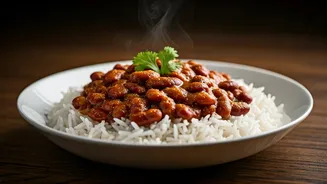
In Jharkhand’s kitchens, Rugda is celebrated in various forms. The most popular preparation is a simple yet flavourful curry. The Rugda is first thoroughly washed to remove all the mud and dirt. Then, it's sautéed with onions, garlic, ginger, and a blend of aromatic spices like turmeric, cumin, and coriander. Tomatoes are added to create a rich gravy that clings to the mushrooms. The final dish, often garnished with fresh coriander, is a hearty and nutritious meal typically served with rice or rotis. Some also enjoy it simply fried with spices as a flavourful side dish. Beyond its taste, Rugda is also valued for its high protein content and mineral richness, making it a vital nutritional supplement in the local diet.
A Fragile Delicacy
While Rugda is a cherished part of Jharkhand's heritage, its future is not guaranteed. Its dependence on healthy Sal forests makes it vulnerable to deforestation and habitat loss. Unregulated and premature harvesting can also deplete the fungal network, threatening future yields. Climate change, with its erratic rainfall patterns, poses another significant risk to this rain-dependent mushroom. There is a growing awareness of the need for sustainable harvesting practices to ensure that this gift of the forest can be enjoyed by generations to come. For now, it remains a symbol of nature's bounty—wild, untamable, and deeply connected to the land and its people.