





Embrace Warm and Cooked Food
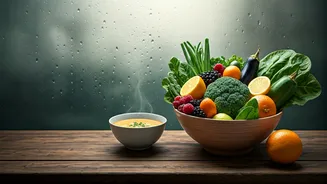
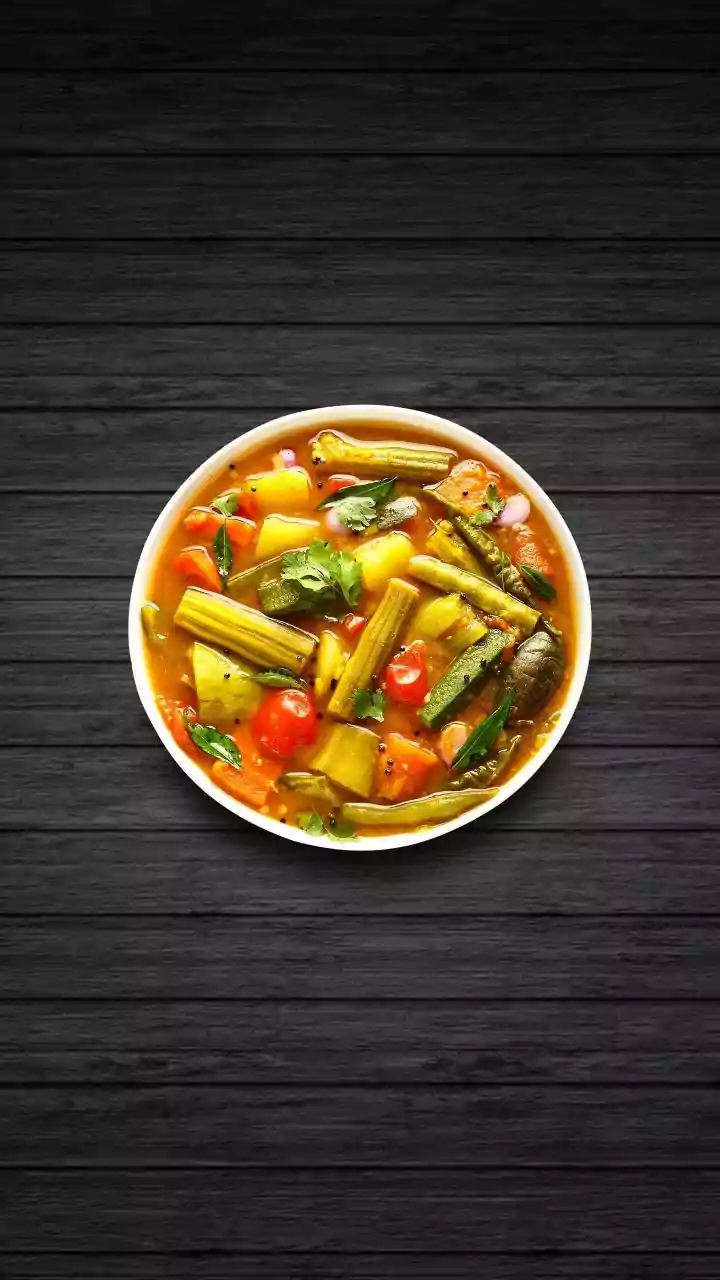
During the monsoon, the damp weather can make our digestive system sluggish. This is why traditional wisdom advises sticking to warm, freshly cooked meals. Think comforting bowls of dal, light vegetable curries, and nourishing soups. These are not only
easier for your stomach to break down but also reduce the risk of microbial contamination that can be present in raw foods. A simple khichdi, for instance, is a perfect monsoon meal—it’s light, balanced, and provides sustained energy. Swap out your cold salads for steamed or stir-fried vegetables to keep your digestive fire, or 'agni' as per Ayurveda, strong.
Boost Immunity with Spices
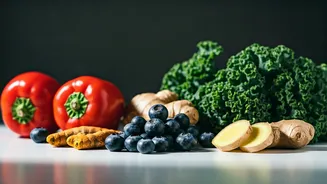
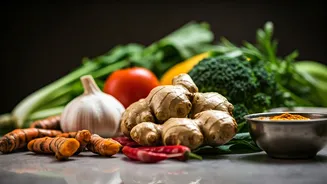
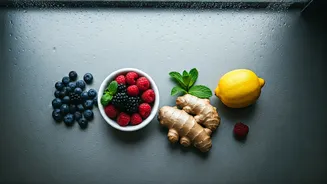
Your kitchen spice box is a treasure trove of immunity-boosting compounds. Spices like turmeric (haldi), ginger (adrak), garlic (lehsun), and black pepper (kali mirch) are your best friends this season. Turmeric has powerful anti-inflammatory and antiseptic properties. Ginger is excellent for soothing a sore throat and aiding digestion. Garlic is known for its potent antiviral and antibacterial effects. Try starting your day with a warm glass of water with honey and a pinch of black pepper, or add extra ginger and garlic to your daily cooking. A simple cup of ginger-tulsi tea can do wonders for fending off colds.
Choose Seasonal Produce Wisely
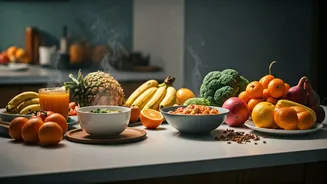
While leafy greens are generally healthy, they can be risky during the monsoon. The moisture and mud make them a breeding ground for germs and worms. If you must have them, be extra diligent about washing them in a saline or vinegar solution and cooking them thoroughly. A safer bet is to opt for seasonal gourds like bottle gourd (lauki), ridge gourd (turai), and bitter gourd (karela). When it comes to fruits, choose seasonal options like jamun, plums, peaches, and pomegranates. These are packed with antioxidants and Vitamin C, which are crucial for a strong immune system. Avoid pre-cut fruits sold on the street.
Stay Hydrated the Right Way
You might not feel as thirsty in the humid weather, but staying hydrated is still vital for flushing out toxins and maintaining good health. However, instead of reaching for icy cold drinks that can shock the system, opt for warm beverages. Boiled and cooled water is the safest choice. You can also sip on herbal teas made with tulsi, mint, or ginger throughout the day. Clear vegetable broths and thin soups are another excellent way to stay hydrated while getting a dose of nutrients. This simple change helps maintain your body temperature and supports your digestive system.
Prioritise Gut-Friendly Probiotics
A healthy gut is the foundation of a strong immune system. The monsoon season can sometimes throw your gut bacteria off balance. To counter this, include plenty of probiotics in your diet. Yoghurt (dahi) and buttermilk (chaas) are excellent sources of good bacteria that help maintain gut health and improve digestion. A glass of buttermilk with a pinch of roasted cumin and black salt after your meal can prevent bloating and indigestion. These simple additions ensure your body's first line of defence against pathogens is in top shape.
Lighten Your Protein and Fat Intake
As mentioned, your digestion is naturally weaker during the monsoon. Heavy foods, especially non-vegetarian dishes like red meat and even some types of fish, are harder to digest and can put a strain on your system. Similarly, an excess of oily and fried food, like the tempting pakoras and samosas, can lead to indigestion, bloating, and lethargy. It’s best to opt for lighter proteins like moong dal and chickpeas. If you do indulge in fried snacks, do so in moderation and preferably prepare them at home where you can ensure the quality of the oil and ingredients.
Be Wary of Street Food
The allure of street-side chaat and pani puri is strong, especially on a rainy day, but this is the one craving you should try to control. The risk of water-borne diseases like typhoid, cholera, and diarrhoea is at its peak during the monsoon due to contaminated water. Street vendors may not have access to clean, filtered water for washing ingredients or preparing items like chutneys and the 'pani' for pani puri. If the craving is irresistible, try recreating your favourite street food dishes at home. It can be a fun activity and is infinitely safer for your health.