


The Reality of the Rush
Japan's tourism sector is experiencing a significant surge. After welcoming a record 42.7 million visitors in 2025, projections for 2026 remain high, with visitor numbers concentrated in popular areas like Tokyo, Kyoto, and Osaka. This boom is fueled
by factors like a weaker yen, making it more affordable for many international travelers. The result is that hotspots such as Kyoto's Fushimi Inari Shrine, the Arashiyama Bamboo Grove, and Tokyo's Shibuya Crossing are often packed, especially during peak hours. The congestion has become so noticeable that some areas, like Kyoto's Gion district, have restricted access to certain private alleys to manage the flow of tourists.
Strategic Timing Is Everything
Avoiding the crowds often comes down to timing. The busiest periods are the cherry blossom season from late March to early April and Golden Week in late April to early May. Another peak occurs during the autumn foliage season in November, particularly in Kyoto. For a calmer visit, consider the shoulder seasons. The periods from mid-January to early March, late May, and early September often see significantly fewer visitors. Traveling during the week instead of on weekends and visiting major attractions early in the morning (most temples open by 9 a.m., some even earlier at sunrise) or later in the evening can also make a huge difference in your experience.
Beyond the 'Golden Route'
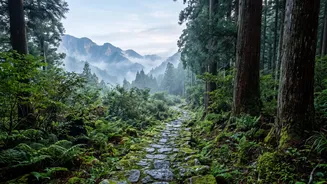
While the 'Golden Route' of Tokyo, Kyoto, and Osaka is popular for a reason, Japan offers a wealth of stunning destinations that fly under the mainstream tourist radar. The government is actively encouraging travel to regional areas to better distribute visitors. Instead of Kyoto, consider Kanazawa, which offers beautifully preserved samurai and geisha districts and is sometimes called 'Little Kyoto'. For a different kind of urban energy than Tokyo, Fukuoka on the island of Kyushu is famous for its incredible food scene. For nature lovers, the remote Iya Valley on Shikoku island provides dramatic gorges and vine bridges, while the Kumano Kodo pilgrimage trails offer ancient forests and spiritual hikes.
Lesser-Known Gems Worth Exploring
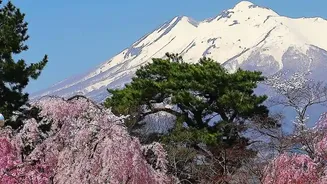
Even within popular regions, alternatives abound. Instead of braving the crowds at the famous Shirakawa-go farmhouses, you could visit similar traditional thatched-roof villages at Ainokura or Hida No Sato Folk Village for a more peaceful experience. In the vicinity of Tokyo, the Izu Peninsula offers beautiful coastlines, hot springs, and views of Mount Fuji with a fraction of the crowds. For a mix of art and nature, the northern prefecture of Aomori boasts impressive museums and wild landscapes. Exploring these destinations not only provides a more unique and authentic trip but also helps alleviate the pressures on the most visited sites.
Smarter Ways to Navigate Popular Sights
If you have your heart set on the famous landmarks, a few strategies can help you navigate them more comfortably. Visiting Fushimi Inari Shrine at 6:30 a.m. allows you to experience the torii gates in relative peace before the tour buses arrive. The same early-bird principle applies to many sites. For attractions that require tickets, booking online in advance is essential to avoid long queues. In cities like Kyoto where buses can be uncomfortably crowded, consider hiring a taxi for a half-day to efficiently move between sites. Finally, simply wandering a few blocks away from the main tourist arteries can lead you to quiet temples, charming shops, and a more personal sense of discovery.