


Shoja: A Hamlet in the Clouds
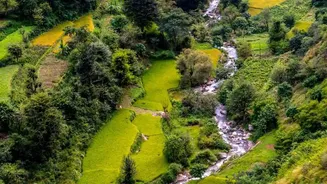
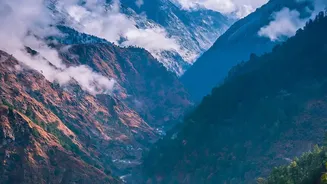
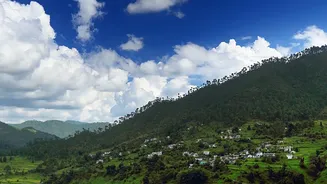
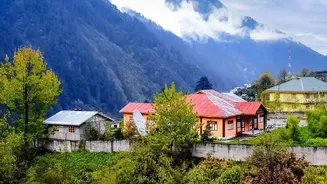
Perched at an altitude of over 8,000 feet in the Seraj Valley, Shoja is a small village that feels a world away from the commercial buzz. It's a place where you come to slow down, breathe in the crisp mountain air, and soak in panoramic views of the Himalayas.
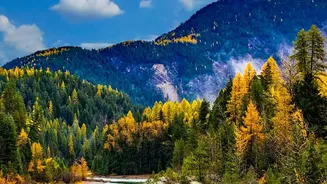
The village is surrounded by dense forests of deodar and oak, with apple orchards dotting the landscape. Life here is simple; you might see locals drying apples in the sun or children playing on quiet lanes. Accommodation is primarily in cozy homestays, offering an authentic experience of Himachali hospitality and culture. There isn't a long list of 'sights'—the main activity is simply being there, taking leisurely nature walks, or finding a spot to watch a spectacular mountain sunset.
Jalori Pass: The Scenic Connector
Connecting the Kullu region with the Shimla region, Jalori Pass is a high-altitude mountain pass located a short drive from Shoja. Sitting at over 10,000 feet, the drive up is an adventure in itself, with sharp turns offering stunning valley views. The pass is the starting point for two of the most popular short treks in the area: Serolsar Lake and Raghupur Fort. On a clear day, the pass provides a breathtaking panorama of the Pir Panjal and Great Himalayan ranges. It's the gateway that links the tranquility of Shoja with the verdant expanse of Tirthan Valley on the other side. While the pass itself is a destination for its views, the real magic lies in the trails that begin here.
The Mystical Serolsar Lake Trek
One of the highlights of visiting this region is the trek to Serolsar Lake, which starts from Jalori Pass. It’s a relatively easy 5-kilometre walk through a dense forest of oak and rhododendron trees that takes about two hours each way. The trail is mostly flat and well-shaded, making it suitable for beginners and families. The lake itself is a pristine, calm body of water considered sacred by locals. A small temple dedicated to Budhi Nagin (the serpent goddess) stands by its banks. Local folklore says that two small birds, called Aabhi birds, keep the lake perfectly clean by picking up any leaf that falls on its surface. It's a peaceful spot to have a simple meal from a local dhaba before making the gentle trek back.
Tirthan Valley: A Riverside Paradise
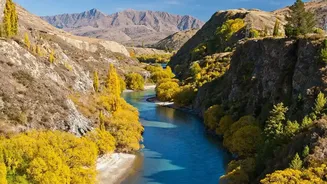
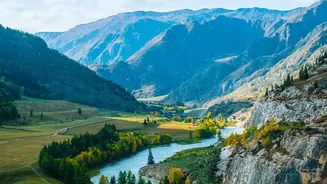
Descending from Jalori Pass, you enter the incredible Tirthan Valley, named after the pristine Tirthan River that flows through it. This valley is the eco-tourism hub of the region and the gateway to the Great Himalayan National Park, a UNESCO World Heritage Site. The sound of the gushing river is a constant, soothing companion here. The main activities revolve around nature: you can try your hand at trout angling (the valley is famous for it), camp by the riverside, or simply find a rock and read a book. Exploring local villages like Gushaini and Nagini offers a glimpse into the traditional Himachali way of life, with their charming wooden houses and unhurried pace.
Planning Your Quiet Escape
The best time to visit Shoja and Tirthan Valley is from March to June and from September to November. During these months, the weather is pleasant, and the landscape is lush and green. The nearest airport is Bhuntar (Kullu-Manali Airport), about 55-60 km away from Shoja. For road travelers from Delhi or Chandigarh, the common route is via Mandi to Aut. At Aut, you leave the main Manali highway and turn into the Banjar Valley, which leads to Jibhi, Shoja, and eventually Tirthan. A trip from Delhi can take around 11-14 hours by car. Remember to carry cash, as ATMs are scarce, and book your homestays in advance, especially during peak season.