

A Break from Tradition
For decades, the Indian travel calendar was predictable: avoid the monsoon months of June to September at all costs. The season was associated with logistical headaches like flight delays, slippery roads, and the closure of popular attractions. But this
perception is rapidly changing. A new generation of travellers, particularly Gen Z, is rewriting the rules. Instead of one long annual vacation, many now prefer multiple short, spontaneous trips, or 'micro-cations', throughout the year. Recent data shows a nearly 40% year-on-year increase in searches for domestic monsoon travel, signalling that the rainy season has become a reason to explore rather than stay home.
The Appeal of the Off-Season
So, what’s driving this trend? The answer lies in a desire for more authentic and less crowded experiences. Popular destinations are significantly quieter during the monsoon, allowing for a more relaxed and intimate connection with the place. This is complemented by practical benefits like lower prices for flights and luxury accommodation, making premium experiences more accessible for budget-conscious travellers. The modern Indian traveller is also increasingly influenced by social media, where evocative images of misty mountains and rain-soaked forests showcase a side of India that feels fresh and unexplored.
Enchanting Hills and Misty Mountains
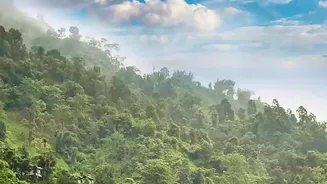
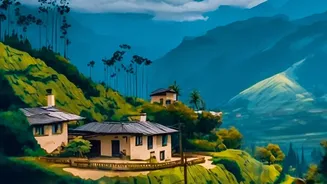
Hill stations are perhaps the biggest beneficiaries of this monsoon travel boom. Destinations across the Western Ghats and the Himalayas transform into verdant paradises. In Kerala, Munnar’s endless tea plantations are cloaked in mist, creating a serene and otherworldly atmosphere. Similarly, Coorg in Karnataka, often called the 'Scotland of India', comes alive with overflowing waterfalls and lush coffee estates. In Maharashtra, short getaways to places like Lonavala and Mahabaleshwar are incredibly popular, offering dramatic views of cloud-covered valleys and powerful waterfalls just a drive away from major cities. Even Rajasthan's only hill station, Mount Abu, offers a unique escape from the desert heat, with its rain-washed Aravalli Hills.
The Forests Come Alive
The allure isn't limited to the hills. India's forests and national parks offer a different kind of magic during the monsoon. While some core tiger reserves may close for the breeding season, many other forested areas and wildlife sanctuaries remain open and are at their most vibrant. The rains bring a renewed energy to the flora and fauna. The jungles of the Western Ghats, the forests of Madhya Pradesh like Pachmarhi, and the unique landscapes of Meghalaya—the 'Abode of Clouds'—become incredibly lush. This is the best time for nature lovers and photographers to witness landscapes painted in every imaginable shade of green, from the living root bridges of Cherrapunjee to the dense canopy of Wayanad's forests.
A Different Side to the Coast
Even traditionally sun-and-sand destinations like Goa are finding a new audience during the monsoon. While swimming is off-limits, travellers are discovering a quieter, greener Goa. The focus shifts from the beaches to the hinterlands, with its spice plantations, gushing waterfalls like Dudhsagar, and charming, rain-washed Latin quarters. It’s an opportunity to experience the local culture without the peak-season crowds. This trend extends to other coastal areas like Kerala, where houseboat cruises on the refreshed backwaters and Ayurvedic treatments become the main attractions.