





The Philosophy: Layering Over Bulk
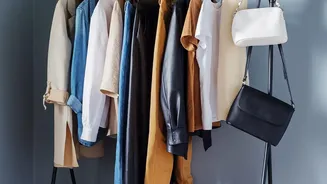
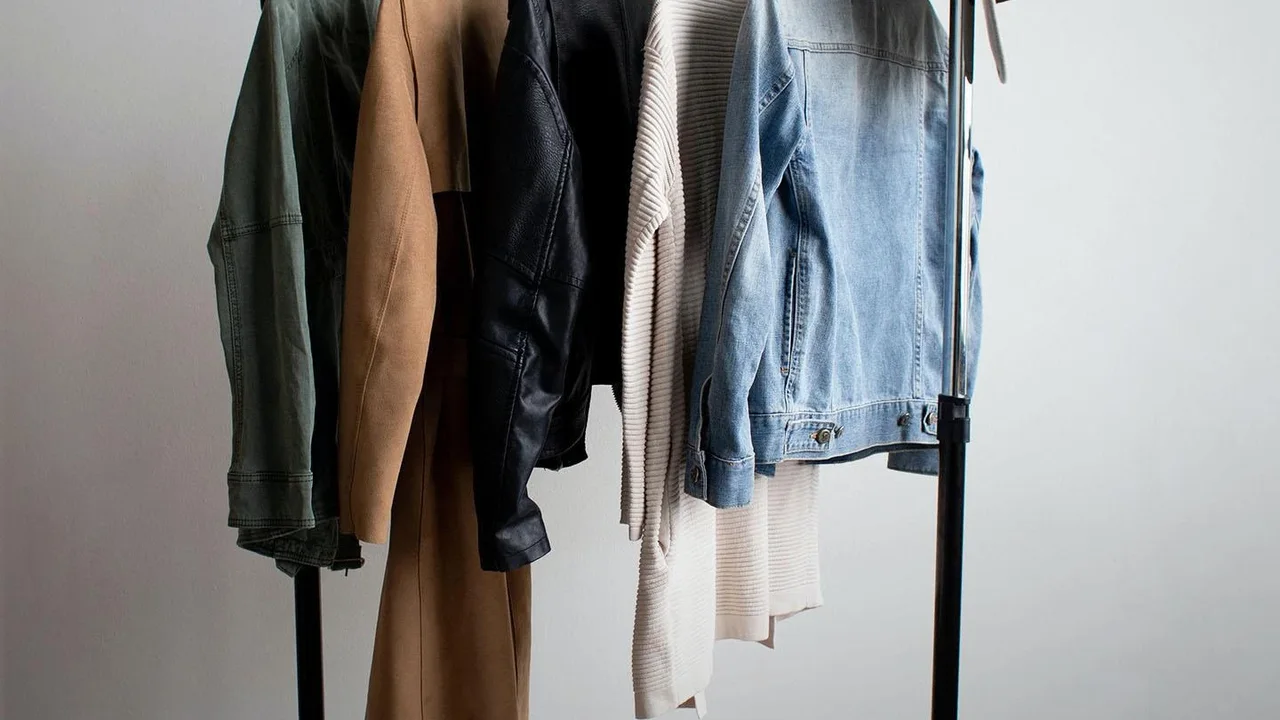
The secret to a light bag in wet weather isn't a massive, heavy coat; it's intelligent layering. Instead of packing thick, single-purpose items, focus on thin, versatile layers that can be combined or worn separately. This approach allows you to adapt
to fluctuating temperatures, from a mild drizzle to a cold downpour. The core of this strategy lies in fabric choice. Avoid cotton at all costs; it absorbs moisture and takes ages to dry. Instead, opt for materials known for their quick-drying properties, such as merino wool, polyester, and nylon. These fabrics are not only practical for wet conditions but are also lightweight and less prone to wrinkling, making them perfect for the confines of a carry-on bag.
Your Core Four-Day Wardrobe
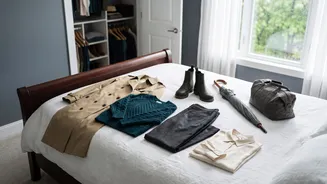
For a four-day trip, you don’t need four distinct outfits; you need pieces that mix and match seamlessly. Stick to a simple, neutral colour palette for your main items—think black, navy, grey, or beige—and add a pop of colour with your accessories. A good formula includes two pairs of bottoms and four tops. For bottoms, choose one pair of comfortable, quick-dry travel trousers and another pair of smart-casual pants or dark jeans that can be dressed up or down. For tops, pack a mix of long-sleeve and short-sleeve options made from merino wool or synthetic blends. A high-quality merino t-shirt, for example, is odour-resistant and can be worn multiple times without washing. A button-up shirt can serve as a light layer or be worn on its own.
The All-Important Outer Shell
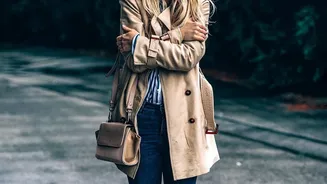
Your most critical piece of gear is a high-quality, lightweight, waterproof jacket. Don't confuse 'water-resistant' with 'waterproof'. For persistent rain, you need a jacket with sealed seams and a proper hood to keep you genuinely dry. Many modern travel rain jackets are designed to be highly packable, folding down into their own pocket to save precious luggage space. Look for a shell that is roomy enough to be worn over another layer, like a thin fleece or a sweater, for added warmth if the temperature drops. This single item acts as your primary shield against the elements, so it's the one piece worth investing in.
The Footwear Conundrum
Shoes are often the bulkiest items in a suitcase. For a rainy trip, the goal is to travel with only two pairs. Wear your bulkiest pair—likely a waterproof boot or a sturdy, water-repellent sneaker—on the plane. This saves a significant amount of space and weight in your carry-on. Your second pair should be lightweight and serve a different purpose. This could be a comfortable pair of flats or loafers for evenings or a pair of stylish sneakers that can handle damp city streets. Ensure your primary walking shoes are comfortable and have good tread to handle slippery surfaces. Nothing ruins a trip faster than wet, cold feet.
Packing Hacks for Maximum Space
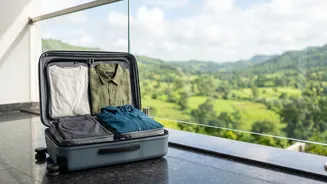
How you pack is as important as what you pack. Rolling your clothes instead of folding them is a well-known technique that saves space and can help reduce wrinkles. To take organisation to the next level, use packing cubes. These small pouches help compress clothing and keep your bag tidy. You can designate one cube for tops, one for bottoms and underwear, and keep a spare one for dirty laundry. Don't forget to use every available space; stuff your socks, chargers, and other small items inside your shoes. A waterproof pouch or even a few zip-lock bags are essential for protecting electronics and documents from moisture.
Accessories That Make a Difference
The right accessories can add style and function without taking up much room. A lightweight scarf can add warmth and colour to any outfit. A compact travel umbrella offers quick shelter from sudden showers. Pack an extra pair or two of quick-dry socks; they are a small luxury that can make a huge difference in comfort. Finally, consider a small, packable daypack or tote bag that is water-resistant. This allows you to carry your daily essentials while exploring, keeping your hands free and your belongings protected from the rain.