







The Rise of the Living Room Gym
Once seen as a mere warm-up, no-equipment fitness has stepped into the spotlight. The reasons are simple and resonate deeply across India: it’s free, it’s flexible, and it requires nothing more than your own body and a few square feet of space. The pandemic
may have accelerated the trend by forcing gyms to close, but its staying power comes from its sheer convenience. In bustling cities where time and space are luxuries, the ability to get a powerful workout done at home, on your own schedule, is a game-changer. This isn't about compromising on results; it's about reclaiming fitness as something accessible to everyone, everywhere.
More Than Just Convenient
The benefits of bodyweight training go far beyond convenience. These exercises, often called calisthenics, are masters of building functional strength. This is the kind of strength you use in daily life—lifting groceries, playing with your kids, or climbing stairs. By using your own body as resistance, you engage multiple muscle groups at once, improving coordination, balance, and core stability. It’s a holistic approach that promotes better movement patterns and reduces the risk of injury. Furthermore, it's incredibly scalable. A beginner can start with knee push-ups, while an advanced athlete can work towards one-arm push-ups. The challenge grows with you.
Your No-Equipment Starter Kit
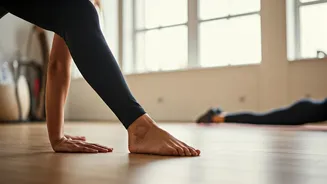
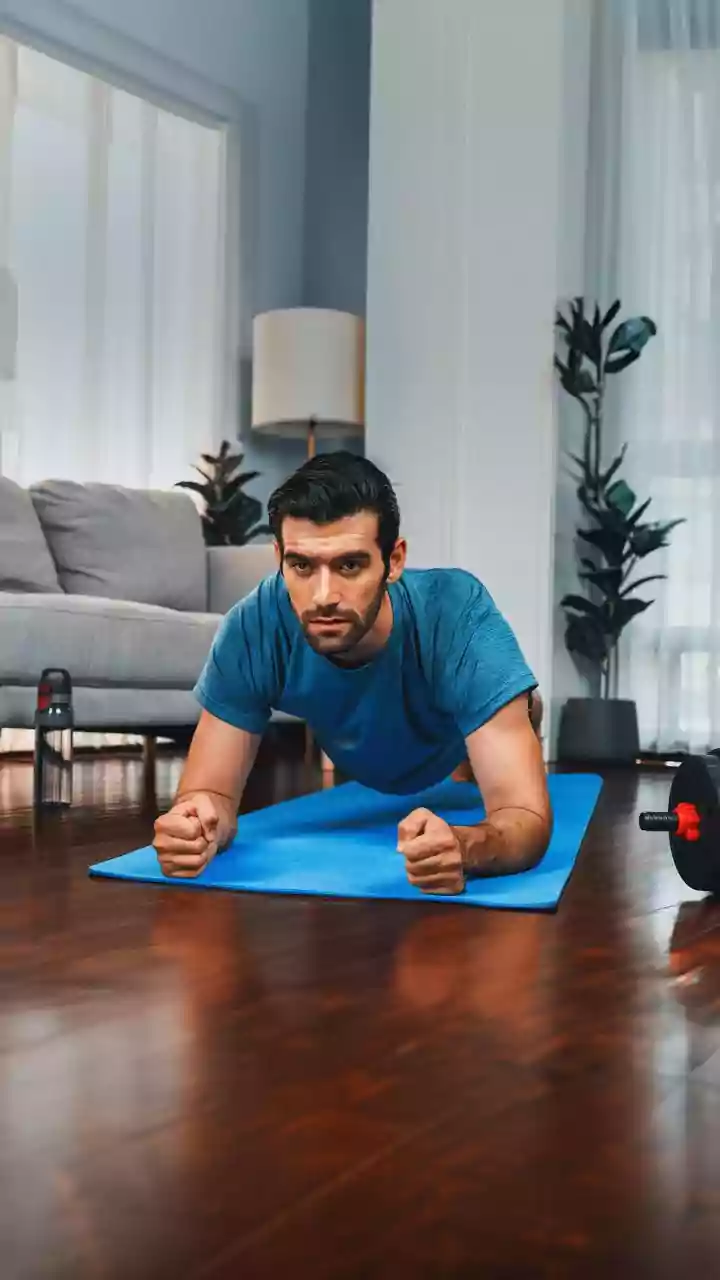
Ready to begin? Master these five foundational movements. Focus on good form over speed or quantity. 1. **Squats:** The ultimate lower-body exercise. Stand with feet shoulder-width apart, chest up. Lower your hips as if sitting in a chair, keeping your back straight and knees behind your toes. Aim for 3 sets of 10-15 reps. 2. **Push-ups:** A classic for upper body and core strength. If a full push-up is too hard, start on your knees or against a wall. Keep your body in a straight line from head to heels. Try 3 sets of as many reps as you can manage with good form. 3. **Plank:** The king of core exercises. Hold a push-up position, either on your hands or forearms, keeping your body rigid. Don't let your hips sag. Start by holding for 30 seconds and build up from there. 4. **Lunges:** Excellent for targeting legs and glutes individually. Step forward with one leg and lower your hips until both knees are bent at a 90-degree angle. Push back to the start and repeat with the other leg. Aim for 10-12 reps per leg. 5. **Jumping Jacks:** A simple way to get your heart rate up. It’s a full-body cardio move that doubles as a great warm-up or a workout finisher.
Building a Simple Routine
Consistency is more important than intensity when you're starting out. A simple plan is the most effective one. Try this three-day-a-week full-body routine on non-consecutive days (e.g., Monday, Wednesday, Friday) to allow for recovery. * **Warm-up (5 minutes):** Light cardio like marching in place, arm circles, and leg swings. * **Workout Circuit:** Perform each exercise for the recommended reps, then move to the next with minimal rest. After completing all five exercises, rest for 60-90 seconds. Repeat the entire circuit 2-3 times. * **Cool-down (5 minutes):** Gentle stretching, holding each stretch for 20-30 seconds. Focus on your chest, back, and legs.
Common Mistakes to Avoid
As with any form of exercise, proper technique is crucial to prevent injury and see results. The most common mistake is sacrificing form for speed or more repetitions. It's better to do five perfect push-ups than 20 sloppy ones. Another pitfall is not progressing. Once an exercise becomes easy, you need to make it harder to keep challenging your muscles. You can do this by increasing reps, reducing rest time, or moving to a more difficult variation, like elevating your feet for push-ups or holding your squat for longer.