



Picking the Right Pot and Variety
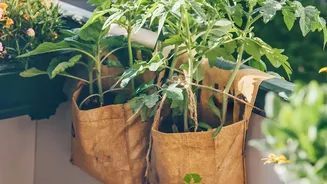
Success with container-grown kiwi starts with two key choices: the pot and the plant. A kiwi vine needs significant room for its roots. Opt for a large, deep container that is at least 18 to 24 inches wide and deep, holding around 20-30 litres. Ensure
it has plenty of drainage holes, as kiwis hate waterlogged soil. For urban gardeners with limited space, a self-fertile variety is the most practical choice. Varieties like 'Jenny' or 'Issai' can produce fruit from a single plant, saving you the trouble of planting separate male and female vines for pollination. While most kiwis are dioecious (requiring male and female plants), these self-pollinating types make terrace growing much simpler. If you do have space for two, popular commercial varieties grown in India include 'Hayward' (female) and 'Tomuri' (male).
The Ideal Soil Mix
Never use regular garden soil in your container, as it will compact quickly, suffocating the roots and preventing proper drainage. Instead, use a high-quality, well-draining potting mix. The ideal soil should be slightly acidic, with a pH between 5.5 and 6.5. You can create an excellent blend by mixing a bagged potting mix with plenty of organic matter like well-rotted compost or manure. This not only provides essential nutrients but also helps create the loose, airy structure that kiwi roots need to thrive in a confined space. A layer of gravel or broken terracotta at the bottom of the pot can further improve drainage.
Planting and Structural Support
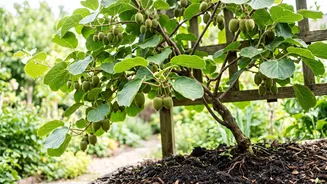
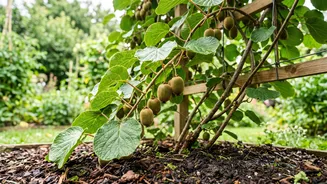
When you're ready to plant, fill your container with the prepared soil mix. Gently remove the kiwi plant from its nursery pot, taking care not to disturb the root ball too much. Plant it at the same depth it was previously growing, ensuring the top of the root ball is level with the soil surface. Backfill with your mix, firming it gently, and water thoroughly. Kiwi vines are vigorous climbers and need a strong support structure from day one. A simple stake won't be enough. Install a sturdy trellis, obelisk, or a wire system that is at least 2 metres high. This support is crucial for training the vine, ensuring good air circulation, and allowing sunlight to reach all parts of the plant, which is vital for fruit development.
Sun, Water, and Feeding
Position your kiwi plant in the sunniest spot on your terrace. Kiwi vines need at least six to eight hours of direct sunlight each day to grow strong and produce fruit. A south or west-facing location is ideal. Container plants dry out much faster than those in the ground, so consistent watering is key. Water deeply whenever the top inch or two of soil feels dry, allowing excess water to run out of the drainage holes. During the growing season, kiwi vines are hungry plants. Feed them monthly with a balanced, all-purpose fertiliser. In the spring, a feed high in nitrogen can encourage leafy growth, but switch to a high-potash feed (like a tomato fertiliser) in the summer to promote flowers and fruit.
Pruning for a Bountiful Harvest
Pruning is essential to manage the vine's vigorous growth in a container and to encourage fruiting. There are two main pruning seasons. In late winter, while the plant is dormant, perform a structural prune. Cut back the main stems that fruited the previous year and remove any dead, damaged, or tangled wood. This establishes a strong framework. Summer pruning is about maintenance. Pinch back new, non-fruiting shoots to about five or six leaves. This directs the plant's energy towards developing fruit rather than producing excessive foliage, and it helps maintain good airflow through the vine.
Patience and Pollination
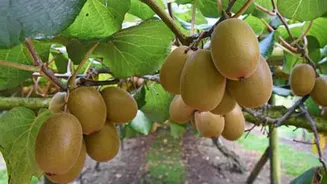
Growing kiwi requires patience. Even with the best care, a young vine may take three to five years before it starts producing fruit. Don't be discouraged if you don't see a harvest in the first couple of years. For non-self-fertile varieties, pollination is critical. Bees are the natural pollinators, but they aren't always strongly attracted to kiwi flowers. For gardeners with male and female plants, hand pollination can dramatically increase your fruit yield. This involves collecting pollen from a male flower with a small brush and gently transferring it to the centre of the female flowers. While it sounds meticulous, this step ensures that flowers develop into well-formed, sizeable fruits.