

Material Matters Most
The golden rule of monsoon footwear is to prioritise the right material. Leather, suede, and canvas are your worst enemies in the rain, as they absorb water, take ages to dry, and become breeding grounds for fungus and bacteria. Instead, the focus for 2026
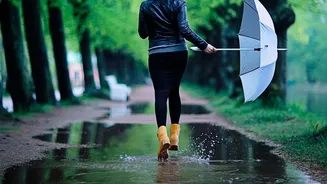
is on fully waterproof and quick-drying synthetics. Materials like rubber, PVC, and EVA (ethylene-vinyl acetate) are dominating the scene. These materials don't just repel water; they are also incredibly easy to clean. A quick rinse is often all that's needed to wash away mud and grime. This move towards synthetics isn't just practical; it's also a style statement, with brands offering these materials in a wide array of colours and designs, from clear jelly sandals to vibrant clogs.
The 2026 Trend: Stylish and Safe
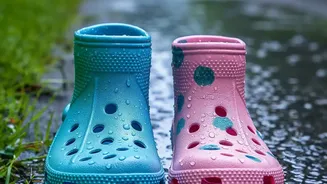
This year's monsoon footwear trends prove that you don't have to sacrifice style for safety. Clogs and Crocs are continuing their fashion ascent, valued for their closed-toe protection and breathable ventilation holes. Another major trend is the resurgence of jelly shoes, a Y2K-inspired style now updated with modern silhouettes like ballet flats and platform sandals. For those who need a more secure fit, strapped floaters and sandals with adjustable buckles are a go-to choice. The key across all these styles is a focus on grip. Look for footwear with textured, non-slip rubber soles designed to provide traction on slick, wet pavements, which is a crucial safety feature. Flatforms and chunky soles are also popular, giving you a bit of height to stay above puddles without the instability of a traditional heel.
The Low Heel Dilemma
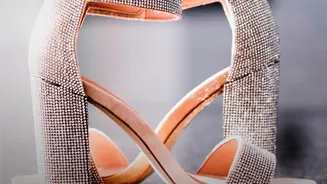
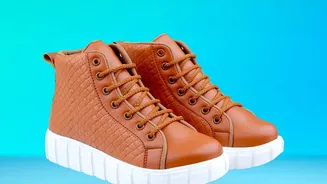
High heels are a definite no-go during the monsoon; they are a recipe for slips and falls on wet, uneven surfaces. However, that doesn't mean you're restricted to flats. The 2026 shift embraces lower, more stable heels. Chunky block heels, wedges, and flatforms made from waterproof materials offer a smart compromise. These styles provide a slight lift while ensuring a stable base. Look for water-resistant ankle boots or chunky patent loafers with sealed seams and robust, non-slip soles. These options are perfect for office wear, providing a polished look that can withstand a downpour. The key is to ensure the heel is wide and the sole has deep grooves or channels to disperse water and improve grip.
Open vs. Closed: A Strategic Choice
The choice between open footwear like sandals and closed-toe shoes depends on your environment and priorities. Open styles like flip-flops and strappy sandals allow for maximum ventilation and quick drying, which helps prevent fungal infections. However, they also expose your feet to dirty puddle water and grime. If you opt for open footwear, diligent foot hygiene is non-negotiable. Closed-toe options like clogs and gumboots offer better protection from splashes and dirt, which is ideal for navigating heavily water-logged streets. The best approach for many is a hybrid one: wearing protective, closed-toe shoes for the commute and keeping a pair of dry, open sandals or flats at the office to change into.
Aftercare for Shoes and Feet
Your monsoon care routine shouldn't end when you get home. Never wear damp shoes two days in a row, as this is a primary cause of fungal growth and odour. Stuff wet shoes with crumpled newspaper to absorb moisture and help them retain their shape, then let them air-dry completely. Just as important is foot care. As soon as you're indoors, wash your feet with soap and water, and dry them thoroughly, especially between the toes. Applying an antifungal powder can help keep your feet dry and prevent infections like Athlete's foot, which are common in the monsoon. Keeping toenails trimmed and clean also reduces the risk of dirt and bacteria buildup.