
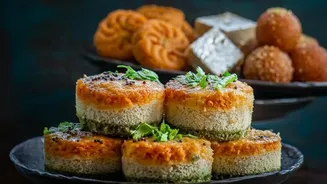
The New Festive Platter
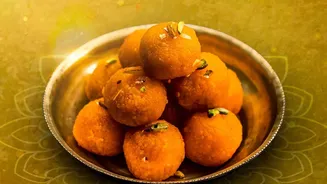
The change is both subtle and bold. It’s in the Motichoor Ladoo and rabdi layered into a parfait glass, or the classic phirni (rice pudding) infused with thandai flavours and served as a mousse. You might find traditional Christmas sweets like kulkuls
and neurios sharing space with a plum cake spiced not just with cinnamon and clove, but with a hint of garam masala. This culinary dialogue extends beyond sweets. Chefs and home cooks are reimagining savoury classics too, using modern techniques to elevate regional specialities. Imagine a burrata chaat that pairs creamy Italian cheese with the crispiness of lotus stem, or baked ricotta dumplings served in the fragrant milk of a traditional Rasmalai. It’s not about replacing tradition, but about adding a new, exciting layer to it.
Why Is This Happening Now?
Several factors are stirring this pot of change. First, the rise of social media has turned every home cook into a potential food blogger and every festive meal into a shareable moment. Platforms like Instagram and Facebook are virtual stages where beautifully plated fusion dishes get immediate attention, inspiring others to experiment. This digital exposure is coupled with a generational shift. Younger Indians, particularly Gen Z, have grown up with a global palate, comfortable with everything from K-pop culture to Japanese food. They are driving a trend that seeks novelty while still valuing family and tradition. Furthermore, there is a growing health consciousness influencing choices, leading to modern techniques like air-frying being used for traditional snacks or a demand for vegan versions of dairy-based sweets. The convenience of ordering special ingredients or even entire festive meals online has also reduced the pressure of labour-intensive traditional cooking, freeing up time for creative twists.
A Celebration of 'Indianness'
This trend is not about erasing regional identity; in many ways, it's amplifying it. Chefs are leading a rediscovery of hyper-local ingredients, from foraged Himalayan herbs to unique regional cheeses, and using modern methods to showcase them on a global stage. This movement is redefining Indian food beyond the usual butter chicken and biryani, highlighting the incredible diversity of the nation's culinary heritage. The blending of global trends with deep-rooted Indian flavours is seen as a sign of culinary confidence. Indian cuisine has always been a product of fusion, absorbing influences from Mughal, Portuguese, and British traditions over centuries. Today's fusion is simply the next chapter in this evolution, where chefs respect the soul of a dish while giving it a contemporary expression.
Tradition and Modernity: A Delicious Coexistence
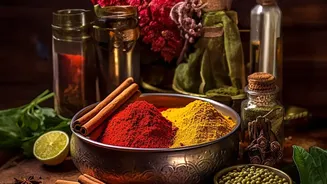
Ultimately, this culinary movement shows that tradition and modernity are not in competition. The goal is not to create confusion, but to enhance flavour and experience. A tandoori salmon might get a glaze of Japanese ponzu, but its smoky essence from the tandoor remains the star. Similarly, the core spices that are the heartbeat of Indian cooking—turmeric, cumin, cardamom—are not being replaced but are finding their way into new forms, from wellness lattes to gourmet desserts. Food critics note that adding a familiar Indian spin to a foreign ingredient or dish often acts as a bridge, making new flavours more accessible to a wider audience. This allows for experimentation without alienating those who hold traditional tastes dear.