


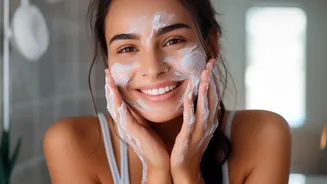

The Viral Freeze: What Are Retinol Ice Cubes?
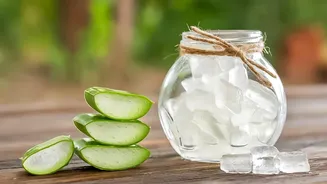
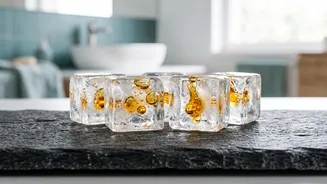
The trend involves freezing a mix of ingredients into ice cubes and rubbing them on the face. While the name suggests it contains retinol, most viral recipes don't use actual retinol products. Instead, they blend ingredients like cucumber, potato juice,
and aloe vera, which are claimed to be 'natural' sources of Vitamin A. The idea combines the known benefits of skin icing—like reducing puffiness—with the anti-ageing power of retinol. The appeal is simple: a cheap, easy, and 'natural' way to achieve the effects of one of skincare's most celebrated ingredients.
The Chilling Claims: Supposed Benefits
Advocates of this DIY hack claim a wide range of benefits. The icing aspect is said to reduce inflammation, swelling, and puffiness, especially around the eyes, by constricting blood vessels. This temporary tightening can also make pores appear smaller. Meanwhile, the 'natural retinol' ingredients are purported to offer a gentler form of exfoliation, boost collagen, and speed up cell regeneration to help with fine lines, blemishes, and hyperpigmentation. The combination is positioned as the secret to soothed, glowing, and youthful skin, all with a simple, homemade cube.
Expert Breakdown: The Problem with Freezing Retinol
Here's where the science gets complicated. Actual retinol is a notoriously unstable molecule. It degrades quickly when exposed to light, air, and heat. While cool temperatures can help slow this degradation, freezing is not recommended. Extreme cold can destabilize the formula, causing ingredients to separate and potentially rendering the active ingredient ineffective. Most skincare products are formulated to be stored at room temperature, and freezing can break the emulsion, permanently changing the texture and efficacy. So, freezing your expensive retinol serum would likely be a waste. Furthermore, the so-called 'natural' retinol ingredients like carrot or rosehip oil contain precursors to Vitamin A, but they are not as potent as pure retinol and the evidence for them delivering comparable anti-ageing results is limited.
The Ice Factor: Risks of Direct Application
Even if you just use plain ice, the technique itself comes with risks. Applying ice directly to the skin for prolonged periods can cause damage. Dermatologists warn this can lead to issues like ice burns, which are similar to mild frostbite, especially on sensitive skin. Another significant risk is breaking delicate capillaries under the skin, particularly around the eyes and cheeks. This happens when the blood vessels constrict and dilate too rapidly, which can result in visible redness that may become permanent with repeated use. Overusing ice can also strip the skin of its natural oils, disrupting its protective barrier and leading to dryness, irritation, and increased sensitivity.
Safer Alternatives for Glowing Skin
If you're seeking the benefits of retinol and skin icing, it's best to pursue them separately and safely. For retinol, start with a low-concentration, overthecounter product and apply it as directed—typically a pea sized amount at night, followed by moisturizer. Always use sunscreen during the day, as retinol can increase sun sensitivity, especially initially. For a cooling de puffing effect, use a dedicated ice roller or a chilled face globe, which are designed to be gentler on the skin than a raw ice cube. You can also simply wrap an ice cube in a soft cloth to create a protective barrier. Limit sessions to a few minutes and avoid holding the ice in one spot for too long.