






The idea of a pilgrimage in India often evokes images of austerity and arduous journeys. But a quiet revolution is underway, transforming these sacred spaces into modern hubs of comfort, accessibility, and immersive spiritual experience for everyone.
A New Blueprint for Belief
Across India, a conscious effort is being made to upgrade ancient religious sites, balancing the preservation of spiritual sanctity with the demands of 21st-century visitors. Spearheaded by national initiatives like the PRASAD (Pilgrimage Rejuvenation and Spiritual, Heritage Augmentation Drive) scheme, this movement aims to holistically develop pilgrimage destinations. The goal is not just beautification, but creating sustainable, well-connected circuits that enhance the visitor experience, boost local economies, and make these divine journeys seamless and enriching for all. State governments are also launching ambitious plans, like in Uttar Pradesh, to restore and develop both major and lesser-known temples to place them on the global tourism map.
From Congested Lanes to Grand Corridors
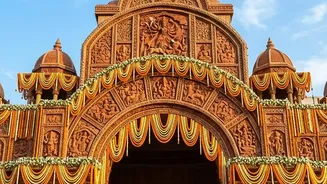
The most visible change is in the physical infrastructure. Gone are the days of navigating narrow, chaotic lanes to get a fleeting glimpse of a deity. Projects like the Kashi Vishwanath Corridor in Varanasi and the Mahakal Lok in Ujjain exemplify this shift. In Varanasi, what was once a cramped 3,000-square-foot area is now a sprawling 500,000-square-foot complex that can host over 50,000 devotees. This grand corridor provides a direct, unobstructed pathway from the Ganga ghats to the temple, a connection that had been lost for generations. Similarly, the 900-metre Mahakal Lok corridor has replaced a chaotic entry with a majestic walkway, complete with grand gateways, statues, and murals that narrate stories from the Shiva Purana. These projects focus on effective crowd management, wider pathways, and essential visitor amenities like food courts, museums, and locker facilities.
Technology in the Temple
Modernisation extends far beyond brick and mortar. Technology is being woven into the fabric of the pilgrimage experience. 'Smart temples' are using the Internet of Things (IoT) and AI for real_time crowd monitoring, which has helped reduce wait times significantly at places like Kashi Vishwanath. The Tirumala Tirupati Devasthanams has deployed an AI_integrated command centre with thousands of cameras to manage crowd flow and enhance safety. For the visitor, this means a smoother journey. Touchless, QR_code_based ticketing and online booking for darshan and aartis are becoming common, offering convenience and transparency. Some initiatives are even exploring virtual tours using Augmented Reality (AR) and Virtual Reality (VR), allowing people to experience temples from their homes and preserving the sites digitally for future generations.
An Inclusive Welcome for All
A key driver of this modernisation is the desire to welcome a more diverse range of visitors. Historically, difficult terrain and crowded conditions made these sites challenging for the elderly and people with disabilities. Today, there is a clear focus on accessibility. New corridors like Mahakal Lok are fully wheelchair_friendly, with paved ramps and affordable rental services. Major temples like Kashi Vishwanath, Somnath, and Dwarkadhish now offer wheelchair_accessible pathways, ramps, elevators, and special assistance for devotees with mobility issues. E_cart shuttles are also being deployed to help visitors cover the sprawling temple complexes. This inclusive approach ensures that age or physical ability is no longer a barrier to seeking blessings, making the spiritual journey a dignified and comfortable experience for every single person.