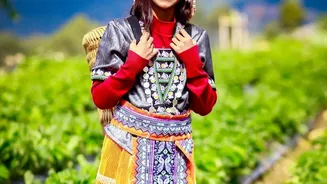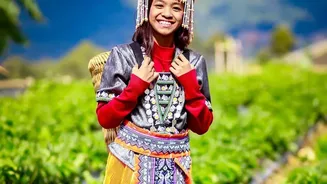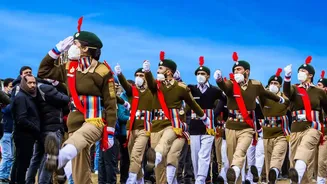





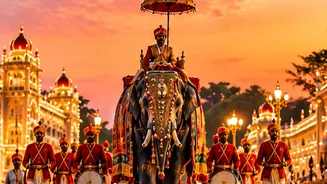
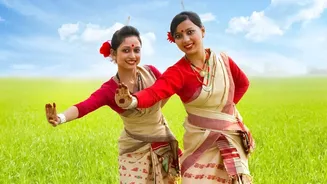
Each December, the hills of Nagaland come alive with the sounds of log drums and warrior chants. The Hornbill Festival is back, and as preparations for its 27th edition in 2026 intensify, it's time to look at why this event is so much more than a festival.
The Festival of Festivals
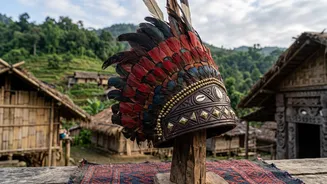
Often called the 'Festival of Festivals', the Hornbill Festival is Nagaland's signature annual event, a grand showcase of the state's diverse tribal heritage. Started in the year 2000 by the state government, its primary aim was to foster inter-tribal understanding and preserve the rich, unique cultures of the Naga people. The festival is named after the revered hornbill bird, a creature that symbolizes courage and beauty in Naga folklore and is a recurring motif in traditional attire and songs. The 2026 edition, set for December 1 to 10, marks the 27th year of this vibrant tradition, coinciding with Nagaland's Statehood Day on December 1. It serves as a vital platform for the different tribes to share their traditions not only with each other but with the world.
What to Expect at the 27th Edition
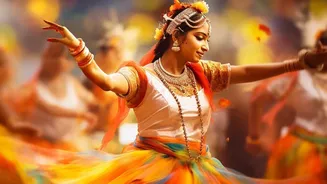
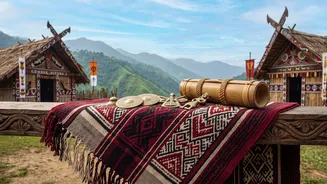
The heart of the festival beats at the Naga Heritage Village in Kisama, about 12 kilometres from the capital, Kohima. This purpose-built venue is where all the major tribes of Nagaland congregate, each in their own traditionally constructed 'morung' or youth dormitory. These morungs are open to visitors, offering an intimate glimpse into the life, customs, and craftsmanship of each community. Recent government review meetings, chaired by Chief Minister Neiphiu Rio, have emphasized making the 2026 festival a 'flawless' experience for guests, with several countries reportedly interested in partnership roles. Visitors can anticipate ten days packed with cultural performances, from energetic war dances and folk songs to indigenous games like Naga wrestling and traditional archery. Beyond the main stage, the festival grounds buzz with a handicraft bazaar, art exhibitions, and food stalls offering a taste of authentic Naga cuisine.
A Feast for the Senses
The Hornbill Festival is as much a culinary journey as it is a cultural one. Food stalls run by different tribes offer a chance to sample a wide array of local delicacies. Adventurous foodies can try dishes featuring smoked pork, bamboo shoot curry, and the famously fiery Naga king chilli. Traditional rice beer is also a must-try beverage, offering a taste of local hospitality. As evening falls, the energy shifts to Kohima, where the Hornbill Music Festival kicks off, featuring rock and folk concerts with local, national, and sometimes international bands. The Night Carnival in Kohima also extends the festivities with street food, shopping, and a lively atmosphere that continues late into the night.
Planning Your Visit for December 2026
Attending the Hornbill Festival requires some planning. The festival takes place from December 1 to 10 every year. The nearest airport and railway station are in Dimapur, approximately 74 kilometres from Kohima. From Dimapur, it's a two to three hour drive to the capital. Accommodation in and around Kohima gets booked months in advance, so it's advisable to finalize your stay by July or August. Options range from hotels in Kohima to local homestays in nearby villages, which offer a more authentic experience. Domestic tourists from outside Nagaland need an Inner Line Permit (ILP), which can be obtained online. Foreign tourists should verify the latest Protected Area Permit (PAP) requirements before travel. Since December weather in Kohima is cold, especially in the mornings and evenings, packing warm, layered clothing is essential.