




What Exactly Is a Standing Torso Twist?
A standing torso twist is a form of dynamic stretching that involves rotating your upper body from side to side while your lower body remains relatively stable. It's a foundational movement used in warm-ups for various physical activities, from yoga to athletics,
because it gently prepares the spine and core muscles for movement. The goal is not to force a deep twist but to create a smooth, controlled rotation that warms up the muscles surrounding your spine, particularly the obliques (the muscles on the sides of your abdomen) and the smaller muscles in your back. Unlike more intense core exercises, its focus is on mobility and releasing accumulated stiffness.
The Core Benefits of Gentle Twisting
Incorporating this simple exercise into your daily routine can offer several significant benefits. Primarily, it improves spinal mobility by gently moving the vertebrae, which can help counteract the stiffness from prolonged sitting. This rotational movement also strengthens your core muscles, including the obliques and lower back, which are essential for maintaining good posture and overall stability. By increasing blood flow and stretching tight muscles around the back and ribs, torso twists can help reduce aches and pains. It's a functional exercise, meaning it supports your body's ability to perform everyday tasks like carrying groceries or turning to look behind you with greater ease and less risk of strain.
How to Perform It Correctly and Safely
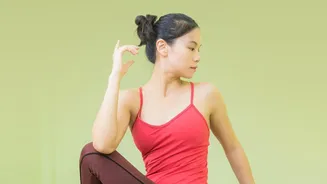
Proper form is key to getting the benefits without risking injury. Follow these steps for a safe and effective twist: 1. Stand with your feet shoulder-width apart and a slight bend in your knees. A stable base is crucial. 2. Engage your core muscles by gently drawing your belly button toward your spine. This protects your lower back. 3. You can either cross your arms over your chest or raise them to shoulder height with elbows bent at 90 degrees. 4. Initiate the movement from your core, not by swinging your arms. Slowly and smoothly rotate your torso to one side. Your hips should remain facing forward as much as possible. 5. Allow your head and shoulders to follow the rotation naturally. Let your feet pivot slightly in the direction of the twist to avoid straining your knees. 6. Twist only as far as is comfortable. You should feel a gentle stretch, not a sharp pain. Return to the centre with control and repeat on the other side.
Common Mistakes to Avoid
To get the most out of this stretch, be mindful of these common errors. First, avoid using momentum to swing your body. The movement should be slow and controlled; rushing through it negates the muscular engagement and can strain your back. Second, don't force the rotation beyond your natural range of motion. Pushing too far can cause injury, especially in the lower back, which has limited rotational capacity. The main twist should be felt in your upper and middle back. Third, remember to breathe. Hold your breath can create tension, so aim to exhale as you twist and inhale as you return to the center. Finally, avoid keeping your feet locked in place, as this can put unnecessary torque on your knees. A slight pivot is much safer.
Variations and Who Should Be Cautious
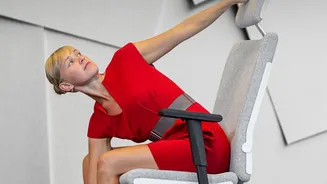
The standing torso twist is adaptable. For a gentler version, you can perform the twist while seated in a chair, which helps stabilize the hips. To add a slight challenge, you can hold a light stick or broom handle across your shoulders. However, this exercise is not for everyone. Individuals with acute back injuries, a history of disc problems, scoliosis, or osteoporosis should exercise caution. The combination of bending and twisting can be risky for those with low bone density. People with conditions like spinal stenosis may also need to avoid repeated or fast rotational movements. If you have any of these conditions or feel sharp pain during the movement, it's essential to stop and consult a doctor or physical therapist.